


 Log in
 Sign Up


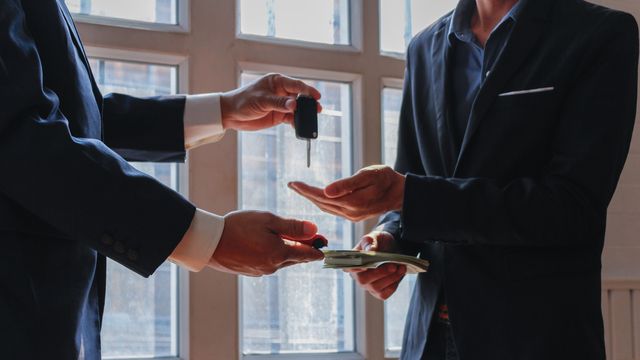


Looking for a reliable car on a budget? Manufacturer buybacks can be a smart way to save money, but they come with unique considerations. This guide explains what buyback cars are, how they work, and what to watch for, helping you make an informed decision. Learn how to spot safe buybacks, avoid pitfalls, and find great deals without overspending.
What Is a Buyback Car and How It Works
A buyback car is a vehicle that was returned to the manufacturer after the owner had ongoing problems with it. Instead of fixing the issue again and again, the manufacturer decides to buy the car back. After that, the car is usually repaired, inspected, and then put back on the market—often at a lower price.
Here’s how it usually works in simple terms. A person buys a car and starts noticing a problem—maybe the engine keeps stalling or the electronics stop working. They take it to the dealership several times, but the issue doesn’t go away. At some point, the manufacturer steps in and offers to repurchase the vehicle. Once the car is back with the manufacturer, they fix the problem, document everything, and resell it, often through auctions.
For someone shopping on a budget, this is where opportunity comes in. These cars can be significantly cheaper than similar models with a clean history.
Simple Definition of a Manufacturer Buyback
A manufacturer buyback is a car that the automaker has repurchased from the original owner due to unresolved issues, complaints, or warranty claims.
Think of it like this: you buy a car, but it keeps giving you trouble. You go back to the dealer multiple times, and nothing really fixes it. Eventually, the manufacturer says, “We’ll take it back and refund you.” That car becomes a buyback.
Once returned, the manufacturer typically repairs the vehicle and discloses its history before reselling it. That’s why you’ll often see these cars listed at auctions with notes about past issues.
Buyback vs Lemon Law Vehicle: What’s the Difference
Many people use the terms “buyback” and “lemon law car” as if they mean the same thing, but there’s a difference.
A lemon law vehicle is a specific type of buyback. It means the car was returned under state lemon laws—rules that protect buyers if a new car has serious defects that can’t be fixed after several attempts.
A buyback, on the other hand, is a broader term. Not all buybacks go through the lemon law process. Some are voluntary. For example, a manufacturer might choose to buy back a car to avoid legal trouble or to keep a customer happy, even if the case doesn’t fully qualify under lemon law.
In short:
- All lemon law cars are buybacks
- But not all buybacks are lemon law cars
This difference matters because lemon law vehicles usually have stricter documentation and clearer records of what went wrong.
Why This Matters for Budget Buyers
If you’re trying to save money, buyback cars can be a smart option—but only if you understand what you’re looking at.
Let’s say you find a 3-year-old SUV that normally sells for $18,000, but this one is listed for $13,500. That price drop often happens because it’s a buyback. At first glance, it may look like a risky deal. But in many cases, the issue has already been fixed, and the car drives perfectly fine.
For buyers with limited budgets, this can mean getting a newer or better-equipped car for the same money. Instead of settling for an older vehicle with high mileage, you might afford something more modern.
At the same time, it’s not a blind bargain. You need to check what the original problem was, confirm repairs were done properly, and understand how it might affect resale value later.
Browse Buyback Cars From U.S. Auctions
Buyback vehicles are widely available at major U.S. auctions — often with detailed history, repair notes, and lower prices. With Auto4Export, you can access thousands of listings and evaluate real deals before placing a bid.
- ✅ Access to 200,000+ auction vehicles
- ✅ Free vehicle history reports
- ✅ Sold price insights for better decisions
- ✅ No dealer license required
Why Do Manufacturers Buy Back Cars?
Manufacturers buy back cars for a variety of reasons, usually tied to problems the vehicle has that can’t be easily fixed. The goal is often to protect their reputation, avoid legal issues, or comply with consumer protection laws. While the idea of a car being “bought back” might sound alarming, not all buybacks mean the vehicle is unsafe or unreliable. Understanding why manufacturers take this step helps budget buyers make smarter decisions when shopping for deals.
Common Reasons for Manufacturer Buybacks
Buybacks generally happen when the car has a recurring or serious problem. These issues can be mechanical, safety-related, electrical, or sometimes simply due to repeated customer complaints. Here are the most common reasons:
Repeated Mechanical Failures
One of the main reasons a car is bought back is repeated mechanical problems. For example, imagine a compact car whose transmission keeps slipping despite multiple repairs. If the dealer can’t fix it reliably, the manufacturer may repurchase the vehicle rather than risk unhappy customers or legal action. These types of issues are usually clearly documented and fixed before resale.
Safety-Related Defects
Safety is a top priority. If a vehicle has a defect that could put the driver or passengers at risk, manufacturers often opt for a buyback. Examples include faulty airbags, braking system failures, or steering problems. In these cases, the buyback ensures the problem is corrected and prevents potential accidents, while also protecting the manufacturer from liability.
Electrical or Software Issues
Modern cars rely heavily on electronics and software. Sometimes, a car may experience repeated failures in its infotainment system, sensors, or engine management software. If these problems can’t be fully resolved after multiple attempts, the manufacturer might repurchase the car. For example, an EV with recurring battery management errors could be returned under a buyback program to ensure safety and proper functioning.
Customer Complaints and Warranty Claims
Not all buybacks are due to catastrophic issues. Sometimes, a car is returned simply because the owner repeatedly files warranty claims or expresses dissatisfaction. While the car may still work well, the manufacturer may decide it’s simpler to buy it back than risk a frustrated customer or a costly legal dispute.
The Role of Lemon Laws and Consumer Protection
Lemon laws exist to protect buyers when a new car has serious defects that can’t be fixed after several attempts. If a car qualifies under these laws, the manufacturer is legally required to repurchase it. These laws vary by state but generally cover new vehicles within a certain time or mileage period. Even if a car doesn’t fall under a lemon law, consumer protection regulations can encourage manufacturers to offer buybacks voluntarily to maintain customer trust and avoid lawsuits.
Are All Buyback Vehicles Defective?
No, not all buyback vehicles are permanently defective. Many cars are fully repaired before being resold. Some may have had minor issues that were inconvenient but not dangerous. For instance, a car might have had a recurring dashboard warning light or a minor software glitch that was never fixed to the owner’s satisfaction. Once the manufacturer addresses these problems, the vehicle can run perfectly fine. For budget-conscious buyers, this means buyback cars can offer significant savings without necessarily sacrificing reliability or safety.
The Different Types of Buyback Vehicles
Not all buyback cars are the same. Understanding the different types helps buyers know what they’re getting and how much risk is involved. Each type has its own reason for being returned, repair history, and potential impact on resale value.
Lemon Law Buybacks
Lemon law buybacks are the most well-known type. These cars were returned because they had serious defects that couldn’t be fixed after multiple repair attempts, as defined by state lemon laws. For example, a car with persistent transmission failure that couldn’t be repaired after three or four visits to the dealership might qualify. Lemon law buybacks usually come with detailed documentation about the issue and how it was handled, which can be reassuring for buyers who want to know exactly what went wrong and what was fixed.
Voluntary Manufacturer Buybacks
Voluntary buybacks happen when the manufacturer decides to repurchase a car even if it doesn’t legally have to. This might be to maintain customer satisfaction, avoid negative reviews, or prevent potential legal disputes. For example, a car with a minor but recurring electrical problem could be bought back voluntarily to keep the customer happy. These cars often don’t have the same legal documentation as lemon law vehicles, but they are generally repaired before resale.
Warranty Return Vehicles
Some buybacks occur under the car’s warranty. If a vehicle repeatedly needs repairs covered by the manufacturer’s warranty and the problem can’t be fully resolved, the manufacturer may repurchase it. This type is similar to a lemon law buyback but may not involve legal action. For instance, a vehicle with a faulty air conditioning system or engine component that keeps failing under warranty could be returned to the manufacturer. These cars are usually fixed and may still carry a portion of the original warranty when resold.
Early Return or Customer Satisfaction Buybacks
Sometimes, buybacks are simply about keeping the customer satisfied. If a buyer is unhappy with their car—even for non-critical reasons—the manufacturer might offer a repurchase. This could be due to a mismatch in expectations, like a car not performing as advertised or recurring minor issues. These buybacks are often voluntary, and the vehicles may have no serious defects at all. For budget buyers, these cars can be a hidden gem, offering nearly new vehicles at lower prices.
Step-by-Step: How a Manufacturer Buyback Happens
Buying a buyback car might seem complicated, but the process behind it is usually straightforward. Understanding the steps helps budget buyers feel more confident about what they’re getting. Here’s how a manufacturer buyback typically unfolds.
Customer Reports an Issue
The process begins when the car owner notices a problem. It could be anything from a faulty engine, persistent brake issues, or a malfunctioning infotainment system. The customer takes the car to the dealership and explains the problem. At this stage, the issue may be minor or major, but it must be significant enough that the customer seeks repeated repairs.
Multiple Repair Attempts
After the initial report, the dealership will attempt to fix the problem. If the issue keeps coming back despite multiple repairs, the situation escalates. For example, a car might visit the shop three or four times for the same engine problem, and each time the fix only works temporarily. When repeated repair attempts fail, the manufacturer may get involved to decide the next step.
Arbitration or Legal Process
If the problem meets the criteria under state lemon laws, or if the customer insists on a buyback, arbitration or a legal review may take place. This step confirms that the car qualifies for a repurchase. Arbitration is often faster than a court case and involves a neutral party evaluating the evidence. Not every buyback requires this step—some are voluntary—but lemon law cases usually go through formal documentation and review.
Manufacturer Repurchases the Vehicle
Once it’s confirmed that the car qualifies, the manufacturer repurchases it from the owner. The price is usually the original purchase price minus a deduction for mileage and use, as defined by state laws. At this stage, the previous owner is no longer responsible for the car, and the manufacturer takes it back to handle repairs or resale.
Repairs and Resale Process
After the buyback, the manufacturer inspects the vehicle, fixes the issues, and ensures it meets safety and quality standards. Once repairs are complete, the car may go to an auction or dealership for resale. Documentation about the repairs and the vehicle’s history is typically included, so buyers can see what was fixed. For budget-conscious buyers, this process often results in a car that’s cheaper than its market value, but still safe and reliable if properly repaired.
Title Branding and Legal Implications
When buying a buyback vehicle, it’s important to understand how it affects the car’s title and legal status. Title branding lets future buyers know a car has a history of issues, while state laws determine what must be disclosed. For budget buyers, knowing this information helps avoid surprises with registration, insurance, and resale.
What Is a Branded Title?
A branded title is a special label on a car’s official title that indicates it has a history affecting its value or condition. Common examples include “salvage,” “flood,” or “buyback.” For buyback cars, the title often carries a “manufacturer buyback” or “lemon law buyback” brand. This brand informs future buyers that the vehicle was returned to the manufacturer and may have had significant repairs. While it doesn’t automatically mean the car is unsafe, it does impact resale value and insurance rates.
Will a Buyback Show Up on the Vehicle Title?
Yes. In most states, a manufacturer buyback must be reflected on the vehicle title. The exact wording may vary—some states write “manufacturer buyback,” while others use “lemon law buyback.” This disclosure ensures transparency and protects both the original buyer and future owners. It also helps avoid legal issues if someone later discovers the car had a history of major repairs. Buyers should always check the title history to confirm the brand and understand the car’s background before purchase.
State Regulations and Disclosure Requirements
Title branding rules vary by state. Some states require full disclosure for any buyback, while others have more specific conditions, like only branding vehicles returned under lemon laws. Additionally, laws dictate how the car’s history is reported in databases like Carfax or AutoCheck. For budget buyers, knowing state regulations can prevent surprises and help ensure that the car’s past is fully documented and transparent.
Impact on Registration and Insurance
A branded title can affect both registration and insurance. Some states have extra inspections or restrictions before a buyback car can be registered. Insurance companies may also charge higher premiums, limit coverage, or require proof of completed repairs. However, many buyback cars are fully safe and driveable, so these extra steps are often procedural rather than reflective of major risk. Being aware of potential insurance costs and registration requirements allows budget buyers to plan ahead and avoid unexpected expenses.
The Truth About Manufacturer Buybacks
There’s a lot of confusion and fear around manufacturer buybacks, but the reality is often less alarming than it seems. Many people assume buyback cars are always defective or unsafe, but that’s not the case. Understanding the truth helps budget buyers make informed choices and spot real opportunities.
Are Buyback Cars Always Problematic?
No, buyback cars are not always problematic. Some vehicles were returned for minor issues that didn’t affect safety or overall performance, like a recurring warning light or a software glitch. Even cars with more serious past problems are usually repaired thoroughly before resale. In fact, many buyback vehicles drive just as well as their clean-title counterparts once the necessary repairs are completed. The key is to check the vehicle history and repair documentation before buying.
Are Issues Usually Fixed Before Resale?
Yes, in most cases, issues are fixed before the car is resold. Manufacturers and dealerships want to protect their reputation and ensure the car meets safety and quality standards. For example, if a car was returned because of faulty brakes, the brakes will be fully repaired, tested, and certified before it’s sold again. Documentation of these repairs is often available, giving buyers confidence that the car is road-ready.
Why Manufacturers Resell These Cars
Manufacturers resell buyback cars for several reasons. First, it recovers some of the original cost and prevents a total loss. Second, properly repaired buyback vehicles can still be valuable in the market, especially for budget-conscious buyers looking for a deal. Finally, reselling these cars through auctions or dealerships allows manufacturers to maintain inventory flow and reduce storage costs. For buyers, this means an opportunity to purchase a nearly-new or lightly used car at a lower price.
How Dealers Handle Buyback Inventory
Dealers typically handle buyback vehicles carefully. After receiving a repaired buyback, the car is inspected, certified, and prepared for sale. Dealers may also disclose the buyback status upfront to comply with legal requirements. In auctions, these cars are often labeled as “manufacturer buyback” or “lemon law buyback,” helping buyers understand the history. Budget buyers can benefit from this system by purchasing well-maintained vehicles at discounted prices, but they should always review the repair records and get a pre-purchase inspection to ensure everything was properly fixed.
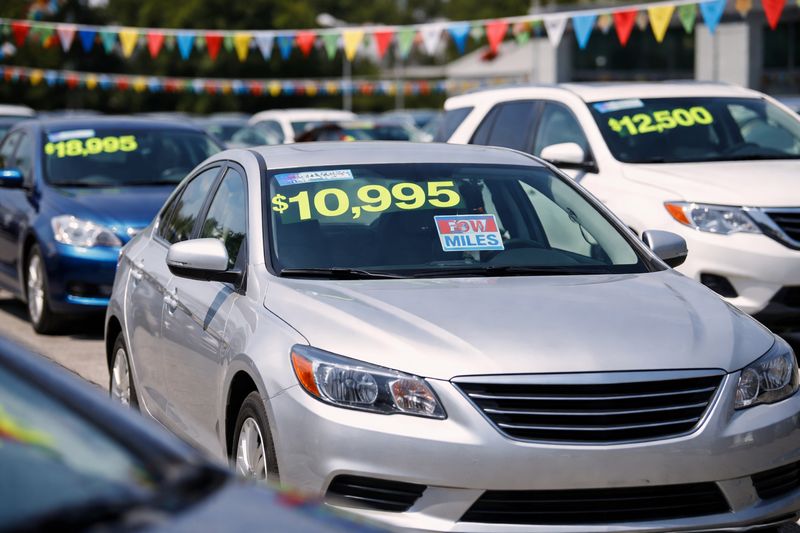
Top 5 Myths About Manufacturer Buybacks
There’s a lot of fear and misinformation around manufacturer buybacks. Many people assume they are unsafe or a waste of money, but most of these beliefs are myths. Understanding the truth can help budget buyers see the real value in these cars and avoid missing out on deals.
Myth 1: All Buyback Cars Are Defective
Not true. While some buybacks result from serious problems, many are returned for minor issues or repeated customer complaints that don’t affect safety or performance. For example, a car might be returned because of a persistent dashboard warning light or a software glitch that never fully satisfied the owner. Once repaired, these cars often run just as well as clean-title vehicles.
Myth 2: Problems Are Never Fixed
This is a common misconception. Manufacturers and dealerships have a strong incentive to repair buyback vehicles before reselling them. Safety issues, mechanical failures, or software bugs are usually corrected, and repair records are often documented. A car that comes back to the market has typically passed inspections and is ready to drive.
Myth 3: Manufacturers Just Want to Get Rid of Them
While it might seem like manufacturers are offloading bad cars, the reality is different. Repurchasing and repairing buybacks helps maintain customer trust, comply with legal obligations, and protect the brand’s reputation. Reselling the car afterward recoups part of the cost rather than letting it go to waste. In many cases, manufacturers are careful to ensure the car is safe and reliable before it reaches a new buyer.
Myth 4: They Are Impossible to Resell
Buyback vehicles are resold every day through dealerships, auctions, and certified pre-owned programs. They may carry a branded title, but many buyers—especially those on a budget—see them as a chance to get a newer, well-maintained vehicle at a lower price. Properly repaired buybacks are not only drivable but can be a smart financial choice compared to paying full price for a similar clean-title car.
Myth 5: You Should Always Avoid Them
Avoiding all buybacks is unnecessary and can even mean missing out on deals. While caution is important, careful research, review of repair records, and a pre-purchase inspection can make buying a buyback safe and cost-effective. For budget-conscious buyers, these cars often represent the chance to own a more recent model, with more features, at a price that fits their budget.
Are Buyback Vehicles Safe to Drive?
One of the biggest concerns for buyers is whether a buyback car is safe. While it’s normal to feel cautious, most buyback vehicles are repaired and inspected before resale, making them safe for everyday driving. Understanding how manufacturers handle repairs and what steps you can take to verify safety helps budget buyers make confident decisions.
How Manufacturers Repair Buyback Cars
When a manufacturer buys back a car, the first step is a thorough evaluation of the reported issues. Mechanical problems, safety defects, and software malfunctions are identified and fixed using original parts and manufacturer-approved methods. For example, if a car was returned due to brake failure, the braking system is fully replaced or rebuilt to meet safety standards. Even complex problems like engine or transmission issues are addressed before the vehicle leaves the repair facility. The goal is to restore the car to the level of performance expected for its model.
Safety Inspections and Certifications
After repairs, buyback vehicles typically undergo safety inspections. These can include checks on brakes, airbags, steering, suspension, and electrical systems. Some manufacturers provide additional certifications or inspections to verify that the car meets safety and quality standards. In many states, the vehicle must pass a state inspection or meet specific criteria before it can be registered and insured. These checks help ensure that the car is roadworthy and reduces the risk of future problems.
How to Verify Repairs Were Done Properly
Even though manufacturers repair buyback vehicles, it’s important for buyers to verify the work. You can start by requesting repair documentation, which should detail the issues addressed and parts replaced. A pre-purchase inspection by a trusted mechanic is also recommended. They can confirm that critical systems—like brakes, steering, and electronics—are functioning correctly. Additionally, checking the vehicle history report can provide information on past issues and repairs. Taking these steps helps budget buyers ensure that the car is not only cheaper but also safe and reliable for daily use.
How a Manufacturer Buyback Affects Vehicle Value
A manufacturer buyback can significantly impact a car’s value, which is important to understand for budget-conscious buyers. While buyback cars often cost less upfront, the history of the vehicle can affect depreciation, resale potential, and overall long-term value. Knowing what to expect helps buyers make smarter purchasing decisions.
Why Buyback Cars Are Cheaper
Buyback cars are usually priced lower because they carry a branded title and a documented history of past issues. Dealers and auction houses factor in the fact that some buyers may hesitate due to concerns about reliability or safety. For example, a vehicle that normally sells for $20,000 might be listed for $15,000 as a buyback. This price drop creates an opportunity for budget buyers to access newer or better-equipped models that might otherwise be out of reach.
Depreciation Compared to Clean Title Cars
Buyback vehicles generally depreciate faster than clean-title cars. Even if all repairs are completed, the branded title signals to the market that the car has a past issue, which lowers its perceived value. For instance, a buyback car might lose an extra 10–20% of its value over time compared to a similar vehicle with a clean history. This accelerated depreciation is something to consider if you plan to keep the car for many years or resell it later.
Resale Value Expectations
Because of the title branding and market perception, resale value for buyback vehicles is typically lower than that of comparable clean-title cars. However, this doesn’t mean you can’t sell it—there’s still demand, especially from buyers looking for budget-friendly options. Many buyers purchase these cars at auctions or dealerships specifically because of the lower price. Being realistic about resale expectations helps you plan financially and avoid overpaying, while still taking advantage of the upfront savings that buyback vehicles offer.
Check Vehicle History Before You Bid
Not all buyback cars are the same. Before you buy, review auction history, past sale prices, and damage details. This helps you avoid risky vehicles and focus only on the best-value options.
- ✅ Free auction history with photos
- ✅ Previous sale records and mileage tracking
- ✅ Clear visibility into past issues
- ✅ Support in evaluating risky listings
The Hidden Costs of Buying a Buyback Car
Buying a manufacturer buyback can save you money upfront, but there are hidden costs to be aware of. Understanding these potential expenses helps budget buyers avoid surprises and plan their purchase wisely.
Insurance Considerations
Insurance for buyback vehicles can be more expensive or limited compared to clean-title cars. Some insurance companies charge higher premiums because the car has a branded title, which signals a history of past problems. Others may only offer liability coverage instead of full coverage. Before buying, it’s important to get insurance quotes to see how much it will cost to protect the vehicle and factor this into your budget.
Financing Challenges
Financing a buyback car can be more difficult than financing a regular used car. Some banks and lenders are hesitant to approve loans for vehicles with branded titles, or they may require larger down payments and higher interest rates. This can make monthly payments more expensive. Buyers should check financing options in advance and consider specialized lenders or auctions that work with buyback vehicles.
Potential Repair Risks
Even though buyback cars are typically repaired before resale, there’s always a small risk that a previous issue could resurface. For example, a car returned for recurring electrical problems may have had temporary fixes rather than permanent solutions. Budget buyers should anticipate potential repairs and keep some funds available in case issues appear down the line. A thorough pre-purchase inspection can help minimize this risk.
Limited Warranty Coverage
Buyback vehicles may come with limited or no warranty, depending on the type of buyback and state regulations. Lemon law buybacks often have some coverage, but voluntary or customer-satisfaction buybacks may not. This means if a problem occurs after purchase, you might have to pay for repairs out of pocket. It’s important to ask the seller about any remaining warranty or extended coverage options and factor this into your decision.
Can You Finance and Insure a Buyback Vehicle?
Many buyers wonder if it’s possible to finance or insure a buyback car. While it’s more challenging than for a clean-title vehicle, it’s not impossible. Understanding your options and preparing in advance can help budget buyers secure loans and coverage without paying excessive costs.
Financing Options and Limitations
Financing a buyback car is possible, but some lenders are more cautious. Traditional banks and credit unions may limit loans for vehicles with branded titles or require higher down payments and interest rates. Specialized lenders or auto auction financing programs often work with buyback vehicles, offering more flexibility. Buyers should also be aware that some financing programs have mileage limits or only cover certain types of buybacks, like lemon law cars. Being prepared for these limitations helps avoid surprises when applying for a loan.
Insurance Availability and Costs
Insuring a buyback vehicle can be trickier than a regular car. Some insurance companies may refuse full coverage, while others might increase premiums due to the branded title. In many cases, liability insurance is still available, but comprehensive or collision coverage could be more expensive. Budget buyers should get multiple quotes before purchasing and ask insurers about coverage options specifically for buyback or lemon law vehicles. This ensures the car is adequately protected without breaking the budget.
Tips to Improve Approval Chances
There are several steps you can take to improve your chances of financing and insuring a buyback vehicle. First, gather all repair records and documentation to show the car has been properly fixed. Second, maintain a good credit score and stable income, which lenders look for when approving loans for higher-risk vehicles. Third, consider working with lenders or insurance providers experienced with branded titles. Finally, a pre-purchase inspection can help prove the car is in safe, roadworthy condition. Following these tips can make a buyback car easier to finance and insure while still keeping costs manageable.
Is It Harder to Resell a Buyback Car?
Reselling a buyback vehicle can be more challenging than selling a clean-title car, but it’s far from impossible. Understanding who buys these cars, how to increase their value, and best practices for selling can help budget-conscious owners get the most from their investment.
Who Buys Buyback Vehicles
Buyback cars appeal to buyers who are looking for a good deal and are comfortable with a branded title. These buyers often include first-time car owners, budget shoppers, and sometimes mechanics or auto enthusiasts who are confident in the car’s condition. Auctions and dealerships that specialize in buyback or lemon law vehicles also attract people looking for lower-priced options, making it a niche but active market.
How to Improve Resale Value
To maximize resale value, it’s important to keep the car in excellent condition. Document all repairs and maintenance clearly, as transparency builds buyer trust. Regular servicing, cleaning, and addressing minor cosmetic issues can make the car appear well-cared-for and more appealing. Highlight any warranty coverage or certifications received after repairs, as this reassures buyers that the car is safe and reliable. Choosing the right time to sell—before excessive mileage adds depreciation—also helps maintain higher value.
Best Practices When Selling
When selling a buyback vehicle, always disclose the buyback status upfront. Full transparency avoids disputes and builds credibility. Use multiple platforms, such as online marketplaces, dealerships, or auctions, to reach buyers familiar with branded-title cars. Provide detailed repair records, vehicle history reports, and any safety certifications. Offering a pre-sale inspection by a trusted mechanic can further increase buyer confidence. Following these best practices ensures a smoother sale and often allows you to get a fair price despite the buyback designation.
Buyback Vehicles and Electric Cars
Electric vehicles (EVs) are becoming increasingly popular, and like gas-powered cars, some end up as manufacturer buybacks. Understanding the unique aspects of EV buybacks is crucial for budget-conscious buyers who want to get a reliable electric car without overpaying.
Are EV Buybacks More Common?
EV buybacks are somewhat more common than traditional cars because of the complexity of their components. Issues with batteries, software, or charging systems can lead manufacturers to repurchase a vehicle, especially if the problem recurs or impacts safety. Since EV technology is newer and evolving rapidly, even small defects may prompt a manufacturer buyback to maintain customer trust and protect the brand’s reputation.
Battery and Software Issues in Buybacks
The most frequent problems in EV buybacks involve the battery and software. A battery may have reduced capacity or charging inconsistencies, while software glitches can affect range, navigation, or safety features. Manufacturers generally repair or replace faulty batteries and update software before resale. However, some buyers remain cautious because battery replacement can be costly, and software issues may be harder to verify without proper diagnostics. Reviewing repair documentation is essential to ensure all critical EV systems have been addressed.
What to Watch for in Electric Buybacks
When considering an EV buyback, buyers should pay special attention to the battery health, charging performance, and software updates. Request a full service history showing any battery replacements, calibrations, or software fixes. Check for recalls related to the EV model and verify that they have been completed. A pre-purchase inspection by a mechanic experienced with electric vehicles is highly recommended. Additionally, confirm that the vehicle’s range and performance meet your expectations, as EVs can degrade over time if issues are not properly repaired.
Which Automakers Buy Back the Most Cars?
Some car brands appear more frequently in buyback programs than others. Knowing which automakers commonly repurchase vehicles and how brand reputation affects reliability can help budget-conscious buyers make informed decisions at auctions or dealerships.
Brands Commonly Seen at Auctions
Certain brands show up more often as buyback vehicles due to a combination of high sales volume, complex technology, or past reliability issues. Popular examples include large manufacturers like Ford Motor Company, General Motors, and Toyota Motor Corporation. Luxury brands such as BMW and Mercedes-Benz occasionally appear as well, often due to electronics or software issues rather than mechanical failures. High-volume brands naturally produce more vehicles, so the likelihood of buybacks is higher, making auctions a common source for budget buyers looking for deals.
Does Brand Affect Reliability of Buybacks?
Brand reputation does play a role in the reliability of buyback vehicles. Automakers known for strong quality control, like Honda Motor Company or Subaru Corporation, often repair their buybacks to a very high standard, meaning these cars can be almost as reliable as clean-title vehicles. On the other hand, brands with more frequent recalls or complex electronics might have buybacks that require careful inspection. Regardless of brand, buyers should always review repair records, pre-purchase inspection reports, and vehicle history to ensure the car is safe and properly repaired before buying.
How to Tell If a Buyback Car Is a Good Deal
Not all buyback vehicles are created equal. For budget-conscious buyers, identifying a safe, reliable buyback at a fair price is essential. Knowing what to look for—and what to avoid—can help ensure you get a good deal without unpleasant surprises.
Key Signs of a Safe Buyback Vehicle
A safe buyback car typically comes with complete repair documentation showing that all reported issues were fixed by a certified mechanic or the manufacturer. The car should pass safety inspections and, if possible, come with certifications indicating roadworthiness. Mileage and wear should be consistent with the vehicle’s age, and there should be no signs of ongoing mechanical or electrical problems. Additionally, a transparent seller who willingly shares the vehicle history report and repair receipts is a strong indicator that the car is a reliable purchase.
Red Flags to Avoid
Some warning signs suggest a buyback may not be a good investment. These include incomplete or missing repair records, a history of multiple unresolved issues, or repeated visits for the same problem. Be cautious if the vehicle shows signs of rushed or poor-quality repairs, such as mismatched paint, unusual noises, or dashboard warning lights that remain on. A lack of transparency from the seller or pressure to buy quickly is another red flag. These issues can lead to expensive repairs later and reduce the car’s long-term value.
Comparing Buybacks vs Salvage Cars
Buyback cars differ significantly from salvage vehicles. Salvage cars are often heavily damaged, declared a total loss by an insurance company, and repaired after major accidents. Buybacks, by contrast, are usually returned to the manufacturer for recurring defects, safety issues, or warranty concerns, and repairs are performed under strict manufacturer guidelines. While both have branded titles, buybacks generally offer a safer, more reliable option for budget buyers, often with fewer hidden risks than salvaged vehicles. Understanding this distinction helps buyers make smarter choices when comparing low-cost options at auctions or dealerships.
How to Protect Yourself When Buying a Buyback Vehicle
Buying a manufacturer buyback can be a smart way to save money, but it requires careful research and verification. Taking the right precautions ensures that budget-conscious buyers don’t end up with unexpected problems or costly repairs.
Questions to Ask the Seller
Start by asking clear, detailed questions about the vehicle’s history. Find out why the car was bought back, what repairs were done, and who performed them. Ask about any recurring issues and whether the car has been inspected or certified since the buyback. Questions about remaining warranty coverage, mileage at the time of repairs, and previous ownership can also provide insight into the car’s condition. A knowledgeable and transparent seller is a good sign that the vehicle is well-maintained.
Check Vehicle History Reports
A vehicle history report is essential when evaluating a buyback. Reports from services like CARFAX or AutoCheck provide details on the buyback, repairs, title branding, accident history, and ownership records. Reviewing this information helps you confirm that the car’s history matches what the seller claims and highlights any potential issues you should investigate further.
The Importance of a Pre-Purchase Inspection
Even with a detailed vehicle history report, a professional pre-purchase inspection is crucial. A qualified mechanic can identify hidden mechanical or electrical issues, verify the quality of previous repairs, and assess overall roadworthiness. For buyback vehicles, inspections should focus on areas that prompted the initial return, such as brakes, electronics, software, or engine performance. This step protects buyers from unexpected problems after purchase.
Verify Repair Documentation
Repair records are the proof that the vehicle’s previous issues were addressed properly. Ask for detailed documentation from the manufacturer or authorized repair facility showing what parts were replaced, services performed, and any safety certifications. Proper records confirm that the car was repaired according to manufacturer standards and provide added confidence for budget-conscious buyers who want a reliable vehicle at a lower price.
Are Manufacturer Buyback Cars Worth It?
Manufacturer buyback cars can be a smart option for buyers on a budget, but they’re not for everyone. Understanding the advantages, risks, and situations where a buyback makes sense helps you make an informed choice and avoid costly mistakes.
Pros for Budget Buyers
The biggest advantage of a buyback vehicle is the lower purchase price. Cars returned under buyback programs often sell for thousands less than comparable clean-title models, making it possible to afford a newer or better-equipped vehicle. Many buybacks are repaired to manufacturer standards, meaning you can get a reliable car at a fraction of the cost. Additionally, for budget-conscious buyers, these cars often offer better features or newer technology than what you could afford in a clean-title vehicle at the same price.
Cons and Risks to Consider
Buybacks come with some risks that buyers need to weigh. Branded titles can affect resale value and insurance costs, and financing options may be more limited or expensive. While repairs are generally done professionally, there’s always a small chance that prior issues could resurface. Some buyers are also wary of hidden problems or incomplete documentation. These factors mean you need to be diligent with inspections, vehicle history reports, and repair verification to avoid unexpected costs.
When It Makes Sense to Buy One
A buyback car makes sense for buyers who want to save money upfront and are willing to do their homework. If you can verify repairs, check the vehicle history, and get a professional inspection, you can safely purchase a car that offers excellent value. Buybacks are especially appealing if you’re looking for a newer model or more features than your budget would normally allow. They are less ideal if you plan to resell the car quickly or want maximum resale value, as branded titles can limit what you can get later.
Quick Summary: Should You Buy a Manufacturer Buyback?
Manufacturer buyback cars can be a smart way for budget-conscious buyers to get a reliable vehicle at a lower price. While they come with some risks, careful research, inspections, and documentation can help you make a confident purchase. Here’s a quick summary to help you decide if a buyback is right for you.
Key Takeaways
Buyback cars are often priced lower than clean-title vehicles, offering an opportunity to save money or access a newer model with more features. Most buybacks are repaired to manufacturer standards, making them safe and reliable. However, they usually come with a branded title, which can affect resale value, insurance, and financing options. Always review repair records, get a vehicle history report, and conduct a professional pre-purchase inspection to reduce risks.
Final Tips for First-Time Buyers
If this is your first time buying a buyback vehicle, focus on transparency and verification. Ask the seller detailed questions about repairs and previous issues, check the vehicle history report carefully, and hire a mechanic for a thorough inspection. Compare prices to similar clean-title cars to ensure you’re getting a fair deal. With these precautions, a manufacturer buyback can be a cost-effective, reliable option for first-time buyers looking to stretch their budget without sacrificing quality.
Get Access to Buyback Cars at U.S. Auctions
Ready to find affordable car? Auto4Export gives you direct access to buyback vehicles from Copart, IAAI, and other auctions — with full support from bidding to delivery.
- ✅ Licensed U.S. auction broker since 2009
- ✅ Fees from $295 per vehicle
- ✅ Pickup, export, and worldwide shipping
- ✅ Assistance at every stage of the purchase
Further Reading
Cheapest Electric Cars for 2026 You Can Get for Under $40,000
Unlocking the Secrets: Understanding Vehicle History Reports
What Is a Rebuilt Title and Why Does It Matter?
Buy Salvage Cars from the USA. What's the Meaning and Benefit?

Do You Have Any Questions?
 Ask Question