


 Log in
 Sign Up





Buying a motorcycle on a budget can be exciting — especially when you spot a great deal. But what happens if the bike has no title? Without this key document, you may face legal headaches, registration issues, or hidden debts. This guide explains what a no-title motorcycle means, the risks involved, and practical steps to secure ownership, helping you make smart, safe decisions and avoid costly mistakes.
What Is a Motorcycle Title?
A motorcycle title is an official legal document that proves who owns the bike. Think of it as the motorcycle’s passport. Without it, you may physically have the bike in your garage, but legally, you may not truly own it.
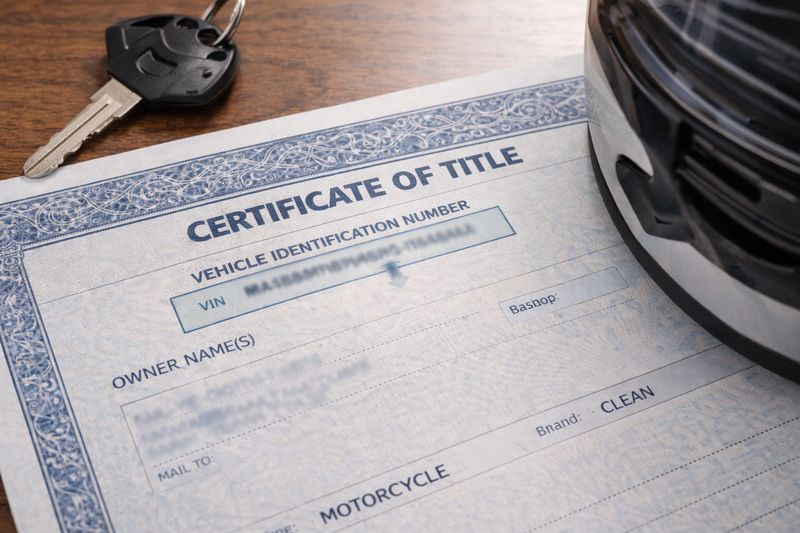
The title contains important details like the VIN (Vehicle Identification Number), make, model, year, and the current owner’s name. It also shows whether there are any liens on the motorcycle — meaning if a bank or lender still has financial rights to it.
For budget buyers looking at auction deals, this document is not just paperwork. It’s the difference between a smart purchase and a long legal headache.
Purpose of a Motorcycle Title
The main purpose of a motorcycle title is to prove legal ownership. If you buy a bike and the seller signs over the title to you properly, you become the official owner in the eyes of the state.
The title also:
- Confirms the motorcycle is not stolen
- Shows if there is an outstanding loan (lien)
- Allows you to register the bike
- Makes it possible to insure it
- Protects you when you decide to resell
Imagine you find a cheap sport bike online. The price looks great. You pay cash and bring it home. Later, you discover there’s no title, and you can’t register it. Now it’s just a bike you can’t legally ride on public roads. That “great deal” suddenly isn’t so great.
For people trying to save money, a missing title can quickly turn savings into unexpected costs — DMV fees, legal steps, or even losing the bike entirely.
Who Issues Motorcycle Titles
Motorcycle titles are issued by the state government, usually through the Department of Motor Vehicles (DMV) or a similar agency.
Each state has its own DMV. For example:
- In Texas, titles are handled by the Texas Department of Motor Vehicles.
- In Florida, they are issued by the Florida Department of Highway Safety and Motor Vehicles.
- In California, the California Department of Motor Vehicles manages titles.
When ownership changes, the title must be transferred through the proper state agency. This is not optional. If the transfer is not completed correctly, the previous owner may still be listed as the legal owner.
If you’re buying through online auto auctions, especially from another state, understanding which agency controls the title is critical. Rules vary, and what works in one state may not work in another.
Why Motorcycle Titles Matter
When you're buying a motorcycle on a tight budget, every dollar matters. That’s why the title is not just paperwork — it’s protection.
Many buyers focus on the price, mileage, and condition. But if the title is missing or has problems, none of that matters. You may not be able to register the bike. You may not be able to insure it. And in the worst case, you could lose both the motorcycle and your money.
Let’s break down why the title is so important.
Legal Ownership and Proof of Purchase
A signed title is the only real proof that you legally own the motorcycle.
A bill of sale is helpful, but it does not replace a title. If someone questions ownership — police, DMV, or even the previous owner — the title is what protects you.
Imagine this situation: you buy a cheap bike from a private seller because you want to save money. You get a handwritten receipt but no title. A few months later, you try to register it. The DMV tells you the previous owner never officially transferred ownership. Now you have to track that person down — and if you can’t, you’re stuck.
Without a title:
- You may not be able to register the motorcycle.
- You cannot legally ride it on public roads.
- You may not be able to get insurance.
- You risk disputes over ownership.
For someone trying to stretch their budget, that’s a serious financial risk.
Avoiding Liens and Financial Issues
A motorcycle title also shows whether there is a lien on the bike.
A lien means a bank or lender still has a legal claim because the loan hasn’t been fully paid off. If you buy a motorcycle with an active lien, you could inherit someone else’s debt.
Here’s how that can hurt you:
You find a great deal online. The seller needs quick cash. You pay and take the bike home. Later, you learn there’s still a loan attached. The lender can legally repossess the motorcycle — even though you already paid the seller.
Now you’re out thousands of dollars.
A clean title helps you confirm:
- The loan has been paid off.
- There are no financial claims against the bike.
- The ownership transfer is clear.
For budget buyers, avoiding hidden debt is just as important as negotiating a low price.
Resale Value Impact
Even if you plan to keep the motorcycle for years, life happens. You may need to sell it later.
A motorcycle without a title is much harder to sell. Most buyers will walk away immediately. Those who are willing to take the risk will offer far less money.
In many cases, a no-title motorcycle can lose 30% to 50% of its market value — sometimes even more.
Think about it this way:
You buy a no-title bike to save $1,000 today. Two years later, you try to sell it and realize you’ve lost $2,000 in resale value because buyers don’t trust the paperwork.
What looked like savings turns into a long-term loss.
Situations Where a Motorcycle Might Have No Title
Not every no-title motorcycle is stolen. In many cases, there’s a simple explanation. But simple does not always mean easy to fix.
If you're shopping on a budget, you will often see listings that say “no title.” The price looks attractive. The seller says it’s not a big deal. Before you jump in, it’s important to understand why the title is missing.
Here are the most common situations.
Lost or Misplaced Title
This is probably the most common reason.
The owner had the title at some point but lost it during a move, divorce, or years of storage. Sometimes the bike has been sitting in a garage for 10 years, and no one remembers where the paperwork went.
For example, someone bought a motorcycle years ago, rode it for one summer, and parked it. Now they want quick cash and can’t find the title.
In many states, the original owner can apply for a duplicate title. But if you're not the person listed on record, the process becomes harder. You may need the previous owner’s cooperation — and if they disappear, you could be stuck.
Bike Was a Gift or Inherited
Sometimes a motorcycle comes from a family member.
A father passes away and leaves his old bike in the garage. A friend gifts you a project motorcycle. An uncle gives you a barn find.
Sounds great — until you realize no one knows where the title is.
If the previous owner has passed away, additional paperwork may be required. Probate documents, death certificates, or court approvals may be needed before the title can be reissued.
For budget buyers, inherited bikes can look like cheap opportunities. But paperwork can take time and sometimes legal fees.
Abandoned, Salvage, or Barn Find Bikes
Some motorcycles are abandoned on private property. Others come from insurance companies after accidents.
For example, insurance companies may sell damaged bikes through auctions without a standard title. Instead, they may have a salvage certificate or bill of sale.
A “barn find” might have been sitting for 20 years with no clear ownership trail.
These situations are common in auctions and low-cost deals. But they often require extra steps to get legal paperwork in your name.
If you’re buying cheap because the bike needs work, remember: paperwork work also costs time and money.
Bikes with Mechanic’s Liens
Sometimes the owner stopped paying for repairs.
Let’s say someone brings a motorcycle to a repair shop. The mechanic fixes it, but the owner never pays the bill. The shop can place a mechanic’s lien on the motorcycle.
In some cases, the repair shop can legally sell the bike to recover costs — even if they don’t have a traditional title in hand.
This can create complicated paperwork situations. The sale might be legal, but the title process may require additional forms and state approval.
For someone trying to flip a cheap bike for profit, delays like this can eat into your margins.
Out-of-State or Non-Standard Titles
Another common issue involves bikes coming from another state.
Each state has different rules. Some older motorcycles were never titled in certain states. Others may have been registered differently — especially dirt bikes or off-road motorcycles.
For example:
- A dirt bike may only have a bill of sale.
- An older motorcycle may have been registered in a state that did not issue titles at the time.
- The paperwork may not match your state’s current requirements.
When you bring the bike into your state, the DMV may require inspections, additional forms, or bonding.
For budget-conscious buyers, these cross-state issues can add unexpected costs.
Can You Buy a Motorcycle With No Title?
Yes, you can buy a motorcycle with no title. The real question is: should you?
For budget buyers, no-title motorcycles often look like easy savings. The seller says, “It just needs paperwork.” The price is $1,000–$2,000 below market. If you're trying to stretch your budget, that sounds tempting.
But buying a motorcycle without a title always increases risk. Sometimes the problem is small and fixable. Other times, it turns into months of stress — or a total loss.
Before you decide, you need to understand the risks and how to protect yourself.
Risks of Buying a Motorcycle With No Title
The biggest risk is simple: you may never legally own the bike.
Without a title:
- You may not be able to register it.
- You may not be able to insure it.
- You cannot legally ride it on public roads.
- You may struggle to resell it later.
Imagine you buy a cheap sport bike to save money on commuting. You fix it up, replace parts, and spend weekends working on it. Then the DMV tells you the ownership cannot be verified. Now you have a working motorcycle that legally cannot leave your driveway.

There is also the risk that the motorcycle is stolen or has unpaid debt attached. In those cases, you could lose the bike completely.
When money is tight, one bad purchase can wipe out months of savings. That’s why caution matters more than price.
How to Check if a Motorcycle Is Stolen
Before buying any no-title motorcycle, you must check the VIN (Vehicle Identification Number).
Here are basic steps:
- Make sure the VIN on the frame matches any paperwork.
- Run a VIN check through a reputable vehicle history service.
- Contact your local DMV to ask if the VIN is flagged.
- Make sure the seller’s story makes sense.
If the seller refuses to show the VIN or avoids questions, walk away.
A legitimate seller should have no problem letting you verify the motorcycle’s history.
Beware of VIN Cloning
VIN cloning is when someone copies a VIN from a legally registered motorcycle and places it on a stolen one.
At first glance, everything may look clean. But small details can reveal problems:
- VIN plate looks tampered with.
- Rivets look replaced or scratched.
- VIN font looks uneven.
- The number doesn’t match the manufacturer format.
If anything looks altered, do not take the risk. Saving money is never worth buying a stolen vehicle by accident.
Warning Signs a Bike May Be Stolen
Here are red flags budget buyers often ignore:
- Seller pushes for fast cash only.
- Price is far below market value.
- Seller refuses to meet at a police station or public place.
- VIN plate looks damaged or repainted.
- The seller’s name does not match any documents.
For example, if someone says, “I lost the title, but my cousin has it,” that’s a warning sign. If they can’t clearly explain ownership, it’s safer to walk away.
Watch for Hidden Liens on a Motorcycle
Even if the motorcycle is not stolen, it may have a lien.
A lien means a lender still has financial rights because the loan was never fully paid. If you buy the bike with an active lien, the lender can legally repossess it.
This happens more often than people think.
You might meet a seller who needs quick money. They sell the bike cheaply because they are behind on payments. You pay cash, thinking you found a deal. Weeks later, you find out the bank still owns the motorcycle.
To protect yourself:
- Ask for proof the loan was paid off.
- Check the title status with the DMV.
- Request a lien release document if applicable.
For someone shopping on a limited budget, hidden debt can turn a “cheap” motorcycle into a very expensive mistake.
How to Get a Title for a Motorcycle With No Title
Buying a motorcycle without a title is risky. But in many cases, the situation can be fixed.
The exact process depends on your state, the motorcycle’s history, and whether you can contact the previous owner. Some solutions are simple. Others take time, paperwork, and extra fees.
If you’re trying to save money, it’s important to understand the real cost of “fixing the paperwork” before buying the bike.
Apply for a Duplicate or Replacement Title
This is the easiest solution — but it only works if the previous owner is cooperative.
If the title was lost or damaged, the legal owner listed in the state records can apply for a duplicate title through their state DMV.
In this case:
- The original owner requests a replacement.
- Once received, they properly sign it over to you.
- You transfer it into your name.
If you can reach the original owner, this is usually the cheapest and fastest option. But if the seller disappears or refuses to help, this path may be closed.
Bonded Title for Motorcycles
A bonded title is common when ownership cannot be fully proven.
Here’s how it works:
- You purchase a surety bond based on the motorcycle’s value.
- The bond protects previous owners or lienholders in case of a dispute.
- You apply for a bonded title through your state DMV.
If no one claims the motorcycle during a specific period (often 3–5 years), the bonded title can convert into a regular title.
This method costs more than a duplicate title because you must pay for the bond. Still, for budget buyers who got a very cheap deal, it can make financial sense.
Vermont Title Method (Special Case)
For years, some buyers used the so-called “Vermont method.”
The idea was to register certain older motorcycles in Vermont, which historically had more flexible registration rules for older vehicles. After registration, owners could transfer the paperwork to their home state.
However, rules change. States update their policies regularly. What worked before may not work now.
Before relying on any “special state method,” always confirm current rules directly with official sources. Don’t assume internet advice from five years ago still applies.
Court-Ordered Title
In complex cases, you may need a court order.
This usually happens when:
- Ownership is disputed.
- The previous owner cannot be located.
- The paperwork history is unclear.
You may need to file a petition in court to request legal ownership recognition. This process can involve filing fees and waiting periods.
For a low-cost motorcycle, legal fees may exceed the bike’s value. That’s why you should calculate total costs before choosing this route.
Abandoned Vehicle or Mechanic’s Lien Solutions
If a motorcycle was abandoned on private property or left unpaid at a repair shop, special procedures may apply.
Many states allow:
- An abandoned vehicle process.
- A mechanic’s lien sale process.
These usually require:
- Notifying the last registered owner.
- Waiting a legally required period.
- Filing proper documentation with the state.
If done correctly, this can result in a legal title. But skipping steps can cause future problems.
For buyers trying to flip bikes for profit, missing one required notice can delay the entire process.
Getting Title Through Your State DMV
Your first stop should always be your state DMV website or office.
Every state has different requirements. Some are stricter than others. The DMV can tell you:
- Whether the motorcycle is in their system.
- If a lien is recorded.
- What forms are required.
- Whether a bonded title is allowed.
Start with official information. Guessing can cost you money.
Example: Texas DMV Process
In Texas, the Texas Department of Motor Vehicles offers a bonded title process for vehicles without proper ownership documents.
Applicants typically must:
- Submit a title application.
- Obtain a surety bond for 1.5 times the vehicle’s value.
- Complete a VIN inspection.
- Pay required state fees.
After approval, the state issues a bonded title. Over time, if no ownership claims arise, it may convert into a standard title.
This example shows how structured — and sometimes costly — the process can be.
Dirt Legal Route as an Easier Alternative
Some buyers use third-party services that specialize in title recovery and registration assistance.
Companies like Dirt Legal help handle paperwork in certain situations, especially for off-road or complicated vehicles.
These services are not free, but they may save time and reduce stress. For someone working full-time who doesn’t want to deal with DMV back-and-forth, outsourcing can be worth the cost.
Still, always verify legitimacy and compare total expenses before choosing this option.
Title Options for Old or Vintage Motorcycles
Older motorcycles can be different.
Some states did not issue titles for certain model years decades ago. In these cases, registration records or bills of sale may be used instead.
If you’re buying a 40-year-old project bike because it’s cheap and classic, check:
- Whether that model year originally required a title.
- Whether your state offers antique or vintage registration options.
- What alternative documentation is accepted.
Vintage bikes can be great budget projects — but only if you confirm the paperwork path before paying.
After You Get the Motorcycle Title
Getting the title is a big win — especially if you bought the motorcycle at a discount because it had paperwork issues. But your work is not finished yet.
To fully protect your investment, you need to register the bike, update insurance, and make sure everything is legally recorded in your name. Skipping these steps can cause fines, delays, or problems when you try to sell later.
If you worked hard to fix the title situation, don’t stop halfway.
Registering Your Motorcycle Properly
Once the title is officially in your name, the next step is registration.
Registration allows you to legally ride on public roads. Without it, even with a valid title, you can still get tickets or have your bike impounded.
The process usually includes:
- Submitting the signed title
- Paying registration fees
- Paying sales tax (if required)
- Passing a safety or VIN inspection (in some states)
- Receiving license plates and registration documents
For budget buyers, this is the moment to calculate total ownership cost. The purchase price is only part of the expense. Taxes, inspection fees, and registration can add several hundred dollars.
For example, you might buy a motorcycle for $2,000 thinking you got a deal. After taxes, title fees, and registration, your total cost may be closer to $2,500 or more. Plan for that from the start.
Updating Insurance and Documentation
Before you ride legally, you need insurance.
Most states require at least minimum liability coverage. Without insurance, registration may be denied or suspended.
Once the title is transferred:
- Contact your insurance company.
- Provide the VIN and updated ownership details.
- Make sure the policy matches your name exactly as listed on the title.
- Keep digital and paper copies of your documents.
If you financed the bond for a bonded title, or if there were special conditions, confirm that your insurer recognizes the title type.
For someone trying to save money, skipping insurance to cut costs can backfire. One accident without coverage can cost far more than a year of premiums.
Reselling or Transferring Ownership
A clean title makes resale much easier.
If you fixed a no-title issue and properly registered the bike, you’ve increased its value. Buyers feel safer when paperwork is clear. That means:
- Faster sale
- Higher offers
- Less negotiation pressure
When you decide to sell:
- Sign the title correctly.
- Complete any required seller sections.
- Provide a bill of sale if your state recommends it.
- Remove your license plate if required by state law.
- Notify your DMV of the sale if necessary.
If you originally bought the motorcycle cheap because it had no title, and now you have a clean one, you may even turn a profit.
How Much Is a Motorcycle Worth Without a Title?
A motorcycle without a title is almost always worth less than the same bike with clean paperwork.
How much less? It depends on the model, condition, and how difficult it will be to fix the title issue. But in most cases, the value drops significantly.
For budget buyers, this can work both ways. You may buy cheaper — but you must understand the real resale value and the risk involved.
Depreciation and Market Considerations
On average, a motorcycle without a title can lose 30% to 50% of its market value. In some cases, the drop is even bigger.
Why?
Because most buyers:
- Don’t want legal headaches.
- Don’t understand title recovery processes.
- Don’t want to risk buying a stolen bike.
- Don’t want to deal with DMV delays.
Let’s say a motorcycle with a clean title is worth $5,000.
The same bike without a title might sell for $2,500–$3,000.
And sometimes even less.
If the motorcycle:
- Has no clear ownership history,
- Has possible lien issues,
- Requires a bonded title,
- Or needs court involvement,
its value drops even further.
There is also a smaller buyer pool. Most people shopping for motorcycles want something ready to register and ride. A no-title bike attracts only project buyers or experienced flippers.
That limited demand lowers the price.
For someone on a tight budget, the lower entry price can look attractive. But remember: resale value will also stay lower unless you fix the paperwork.
Negotiating Price on a No-Title Bike
If you decide to consider a no-title motorcycle, the missing title is your strongest negotiation tool.
Be realistic and calm. You are not insulting the seller — you are pricing the risk.
Here’s how to approach it:
- Research the market value of the same model with a clean title.
- Estimate the cost of fixing the title (bond fees, DMV fees, inspections, time).
- Subtract both the risk and the paperwork cost from your offer.
For example:
Clean title value: $4,000
Estimated paperwork cost: $400–$800
Risk discount: at least $1,000
A reasonable offer might be around $2,000–$2,500.
If the seller says, “It’s just paperwork,” you can respond:
“If it’s that easy, you can fix it and sell it for full price.”
That often changes the conversation.
Tips for Avoiding Title Problems in the Future
If you’ve ever dealt with a missing title, you already know how stressful and expensive it can be. The good news? Most title problems are preventable.
For budget buyers, prevention is always cheaper than fixing paperwork later. A few smart habits can save you hundreds — sometimes thousands — of dollars.
Here’s how to protect yourself on your next purchase.
Always Verify Title Before Buying
Before you hand over any money, check the title carefully.
Do not rely on promises like:
- “I’ll send it later.”
- “It’s in the mail.”
- “It’s just lost.”
- “It’s not a big deal.”
If the seller has the title:
- Make sure their name matches their ID.
- Check that the VIN on the title matches the VIN on the motorcycle.
- Look for signs of alterations or damage.
- Confirm there are no active liens listed.
If you’re buying through an online auction, read the listing details closely. Understand whether the bike comes with a clean title, salvage title, bill of sale only, or something else.
For example, if you're stretching your budget to buy your first motorcycle, the excitement can make you ignore red flags. Slow down. Paperwork matters just as much as engine condition.
A five-minute VIN check can prevent a five-month legal headache.
Keep Paperwork Safe and Updated
Once the motorcycle is in your name, protect your documents.
Many title problems happen because people:
- Lose paperwork during a move.
- Forget to transfer ownership.
- Delay registration.
- Misplace lien release documents.
Smart habits include:
- Storing your title in a safe place (not inside the bike).
- Keeping digital copies of important documents.
- Completing title transfer immediately after purchase.
- Paying off loans and securing official lien releases.
If you plan to resell later, clean and organized paperwork increases buyer confidence. It also makes your motorcycle easier to sell and often worth more.
For budget-conscious owners, protecting documents protects future resale value.
Use Professional Help for Title Issues
Sometimes, even careful buyers run into complicated situations.
If:
- The title history is unclear,
- The previous owner cannot be found,
- The bike came from another state,
- Or legal processes seem confusing,
professional help may be worth the cost.
That could mean:
- Consulting your local DMV directly.
- Hiring a registration service.
- Using a bonded title process correctly.
- Getting legal advice in complex cases.
Yes, professional help costs money. But so does making a mistake.
For someone trying to save money long-term, paying a small fee to fix paperwork properly can prevent losing the entire value of the motorcycle.
Optional Services for Handling Titles
Dealing with motorcycle titles can be simple — or extremely frustrating. It depends on the situation, the state, and how much time you’re willing to spend at the DMV.
If you are working full-time, managing a tight budget, or buying from online auctions in another state, handling paperwork alone can feel overwhelming.
That’s where professional assistance can make a difference.
How Auto4Export Can Help You Get the Title
Auto4Export works with buyers who purchase vehicles through online auctions in the United States. Many of these motorcycles come from insurance companies, banks, or repossession sales — and paperwork can vary.
Here’s how professional support helps:
- Verifying title status before you buy
- Explaining whether the bike comes with a clean title, salvage title, or bill of sale
- Checking for lien information
- Assisting with proper title transfer
- Coordinating documentation for export if needed
For example, imagine you find a motorcycle at auction that looks like a great deal. The listing says “salvage title” or “certificate only.” If you’re new to auctions, that wording can be confusing.
Instead of guessing, you get guidance before placing a bid. That protects your money.
For budget-conscious buyers, avoiding one bad purchase is often worth more than saving a small fee.
When It Makes Sense to Outsource Title Work
Handling title paperwork yourself can save money — but not always.
It may make sense to outsource the process if:
- The motorcycle is from another state.
- The title is salvage or rebuilt.
- You need a bonded title.
- You are buying multiple motorcycles.
- You are exporting the vehicle.
- You don’t have time to deal with DMV appointments and follow-ups.
Let’s say you saved $1,500 by buying a no-title or salvage motorcycle. But now you need to:
- Research state rules,
- Schedule inspections,
- File forms,
- Stand in line at the DMV,
- Correct rejected applications.
If mistakes delay the process, you could lose weeks — or even miss resale opportunities.
For someone flipping bikes or importing motorcycles, time is money. In those cases, professional handling can reduce stress and costly errors.
Outsourcing does not mean spending blindly. It means calculating total cost: your time, possible mistakes, delays, and risk.
A motorcycle listed as “No Title” can present significant legal and logistical challenges, especially for buyers planning to export it internationally. Without proper ownership documentation, transferring title, clearing customs, or registering the vehicle in another country may not be possible.
For international buyers sourcing motorcycles from U.S. auctions, confirming title status before bidding is essential to avoid delays, additional costs, or shipment restrictions. Auto4Export helps buyers focus on export-eligible vehicles and ensures that required post-auction documentation is handled correctly once the purchase is completed, reducing complications during the export process.
If you’re considering buying a motorcycle for export and want to avoid title-related risks, you can start by creating a free account and review available inventory that meets export requirements.
Further Reading
Buying a Vehicle with a Pending Title
Understanding the Legal and Documentation Needed for Buying a Used Car from the US
Why Buy Salvage Motorcycles and Where Find Salvage Title Motorcycles for Sale?
Top 5 Affordable Used Hybrids for 2024 Under $15,000

Do You Have Any Questions?
 Ask Question