


 Log in
 Sign Up


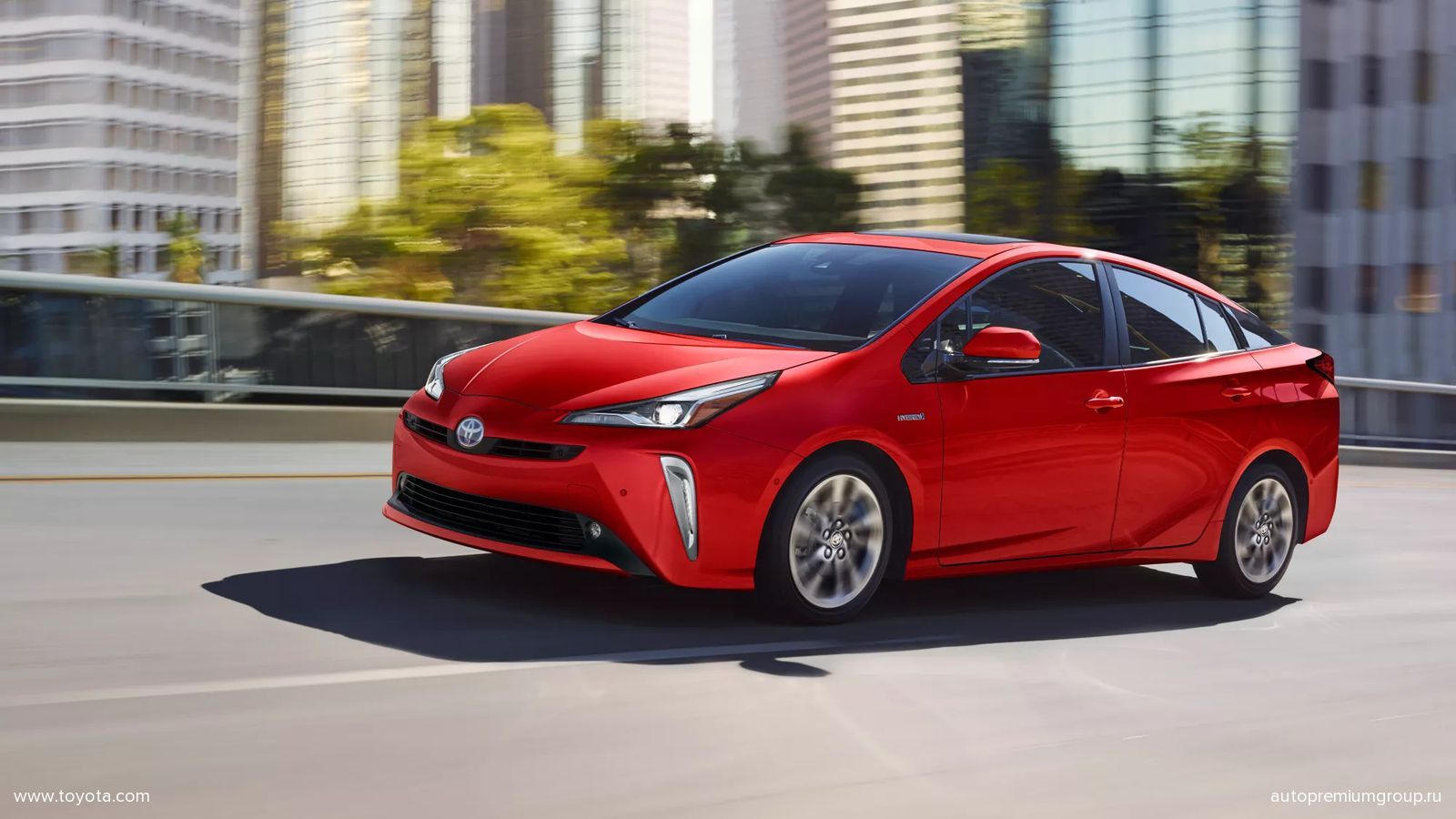


Looking to save money on fuel and maintenance? This guide to Toyota Prius generations breaks down each model year, highlighting reliability, efficiency, and key features. Whether you’re buying from an online auction or considering a used hybrid, you’ll learn which generations offer the best value, low running costs, and long-term dependability—perfect for budget-conscious drivers.
The Origins of the Toyota Prius
The Toyota Prius began as a bold experiment in the early 1990s, when rising fuel prices pushed many drivers to look for cheaper ways to stay on the road. Toyota saw this shift and decided to develop a car that could drastically reduce fuel costs without sacrificing everyday usability. For budget-focused buyers, this idea was a game changer. The early concept of the Prius was simple: create a vehicle that helps drivers spend less at the pump while still delivering the comfort and practicality of a traditional compact car.
The Birth and History of the Prius Hybrid
Toyota’s Vision for a Fuel-Efficient Future
Toyota understood that many families were tired of watching fuel expenses eat into their monthly budget. Their goal was to build a car that made saving fuel easy and accessible—not a luxury reserved for premium models. This vision turned into the world’s first mass-produced hybrid car. Toyota aimed to prove that a hybrid could be reliable, affordable, and beneficial for everyday commuting. This forward-thinking approach laid the foundation for the Prius as a symbol of smart spending.
Early Development and Global Launch
During development, engineers tested various hybrid systems to make sure the car could deliver real savings in real situations—like long daily commutes or city traffic. The first-generation Prius launched in Japan in 1997 and reached the global market in 2000. Many early buyers were people trying to stretch their budgets, and the Prius quickly proved that hybrid technology wasn’t just a futuristic idea—it actually worked. Drivers noticed immediate benefits: fewer gas station visits, lower operating costs, and a dependable driving experience.
How Prius Changed Consumer Perception of Hybrids
Before the Prius, many drivers believed hybrid cars were slow, fragile, or too expensive. The Prius challenged all of that. It showed that a hybrid could be practical, durable, and affordable to maintain. Budget-conscious shoppers, especially those buying used cars from online auctions years later, began to see the Prius as a smart investment. The model’s long-lasting batteries, simple maintenance, and impressive fuel economy made it a favorite for anyone who wanted to cut transportation costs without giving up comfort or reliability.
How the Prius Became the Standard for Green Cars
The Toyota Prius didn’t earn its “green icon” status overnight. It became the standard for eco-friendly cars because it offered something people genuinely needed—real savings and low emissions in a package that felt familiar and easy to use. For drivers trying to cut their monthly expenses, the Prius proved that going green wasn’t just good for the environment; it was good for their wallet too. Over the years, its technology, reliability, and simple ownership experience helped it stand out in a market full of traditional gasoline cars.
Eco-Friendly Innovations
Toyota equipped the Prius with features that other cars simply didn’t have at the time. Its hybrid system allowed the engine to shut off at stops, use electric power at low speeds, and recharge the battery while driving. This meant fewer emissions and fewer trips to the gas station. Many budget-minded drivers loved that they could drive long distances without burning through their paycheck. Even small details—like aerodynamic design and lightweight components—helped improve fuel economy. These innovations pushed the entire auto industry forward and made other brands rethink what a fuel-efficient car should be.
Market Impact and Global Popularity
Once people realized how much money they could save, demand for the Prius grew quickly across the world. It became especially popular in big cities, where stop-and-go traffic made hybrid technology shine. Taxi drivers, students, and families on a budget found it to be a dependable daily driver with extremely low running costs. As fuel prices climbed, more drivers turned to the Prius as a smart way to control their budget. Its global success sent a clear message: the market was ready for cleaner, more efficient vehicles.
Awards, Milestones, and Cultural Influence
The Prius collected numerous awards over the years, from “Car of the Year” titles to recognition for innovation and sustainability. These milestones helped prove that hybrid cars weren’t just a trend—they were the future. The Prius also became a cultural symbol. It appeared in movies, TV shows, and celebrity garages, but it stayed firmly rooted in everyday life. Many people still choose a used Prius at online auto auctions because it represents practicality, savings, and long-term value.
Toyota Prius Generations: Full Breakdown
The Toyota Prius evolved across several generations, each one becoming more efficient, more practical, and more appealing to budget-minded buyers. Whether you're browsing online auto auctions or looking for a daily commuter with low running costs, knowing these generations helps you choosea Prius that fits your wallet and driving habits.
First-Generation Prius (XW10 / NHW11, 2001–2003)
Design and Engineering
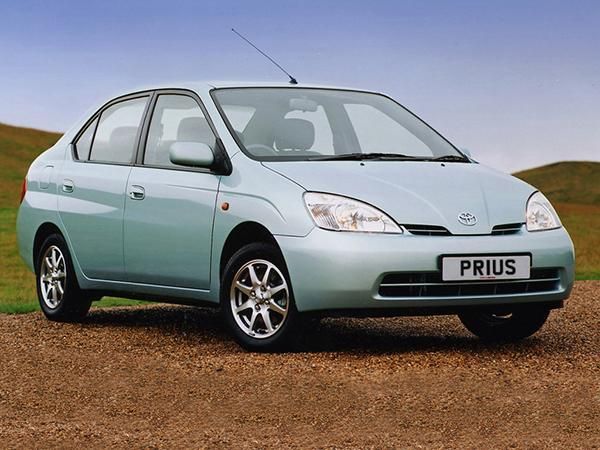
The first-generation Prius introduced Toyota’s hybrid vision to the world. It used a compact sedan body style and combined a small gasoline engine with an electric motor. The engineering focus was simple: reduce fuel consumption without making the driving experience complicated. Many early owners were commuters who wanted to save money but didn’t want to switch to tiny city cars. The Prius offered a comfortable interior, decent cargo space, and smooth acceleration for everyday use.
Key Features and Fuel Economy
Key features included regenerative braking, automatic start-stop, and a surprisingly quiet ride at low speeds. While these features are common today, they were revolutionary at the time. Fuel economy averaged around 40–45 mpg, making it very appealing to drivers who wanted predictable and low monthly fuel costs. Even now, used models can still deliver great mileage if maintained well.
First-Generation Prius Production Years
The first-generation Prius was produced from 2001 to 2003 for the U.S. market.
Second-Generation Prius (XW20, 2004–2005)
Major Improvements Over Gen 1
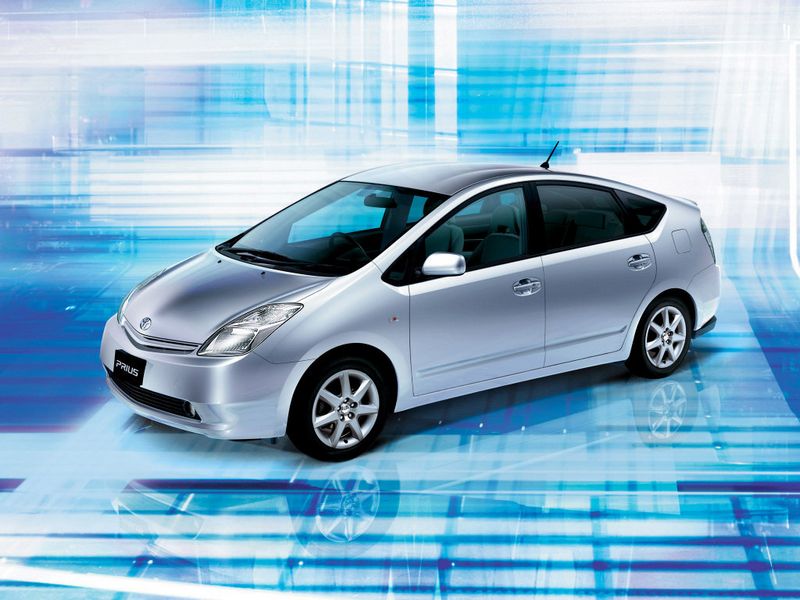
The second generation brought major changes. The car switched to the now-iconic liftback design, offering more cargo space and better aerodynamics. Toyota upgraded the hybrid system to deliver better efficiency and smoother performance. For many buyers with limited budgets, this generation hit the sweet spot—more space for family use, better fuel savings, and improved reliability.

Second-Generation Prius Production Years
This generation was produced from 2004 to 2005.
Second-Generation Prius Facelift (XW20, 2006–2009)
Updated Features and Styling
Toyota refreshed the Prius with updated headlights, interior tech improvements, and more advanced safety features. The facelift models also became known for their extremely durable hybrid batteries, which helped the Prius build its reputation as a long-lasting, low-cost car. Many drivers who needed a reliable commuter—such as delivery drivers or long-distance workers—chose these years because of their proven durability.
Third-Generation Prius Production Years
The third-generation Prius was produced from 2010 to 2011 for the early years of this platform.
Third-Generation Prius Facelift (XW30, 2012–2015)
Interior and Tech Upgrades
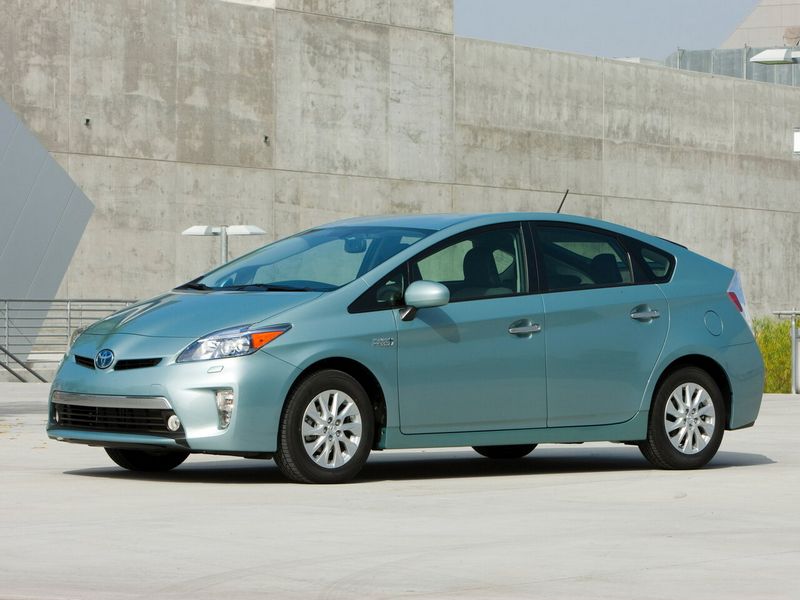
The facelifted third-generation Prius focused on improving comfort and technology without increasing ownership costs. Toyota added a more refined dashboard layout, better-quality interior materials, and upgraded infotainment options. Features like a touchscreen interface, Bluetooth connectivity, and available navigation made daily driving easier. For budget-conscious buyers, these updates meant they could enjoy modern conveniences without paying the price of a brand-new car. Many used models from this period also include advanced safety features, making them a reliable choice for long commutes or family use.
Facelift Production Years
This facelift version was produced from 2012 to 2015.
Fourth-Generation Prius (XW50, 2016–2018)
Handling and TNGA Platform
The fourth-generation Prius debuted with Toyota’s TNGA platform, which dramatically improved driving comfort, stability, and handling. This version felt more like a “normal” car to drive—quieter, smoother, and more confident on the road. Fuel economy also improved, with many drivers achieving well over 50 mpg. For people trying to save on fuel and maintenance, the Gen 4 Prius delivered excellent value: low running costs, high reliability, and a more polished driving experience.

Fourth-Generation Prius Production Years
The fourth-generation Prius was produced from 2016 to 2018.
Fourth-Generation Prius Facelift (XW50, 2019–2022)
New Features and Efficiency Updates
This facelift improved the Prius both inside and out. Toyota refined the exterior styling, added more user-friendly controls, and introduced updated safety technology like improved adaptive cruise control and lane-keeping assistance. Some models also featured optional all-wheel drive, making the Prius more versatile for drivers in snowy or rainy climates. These updates helped budget-focused shoppers get a safe, efficient, and comfortable car that still kept fuel expenses incredibly low.
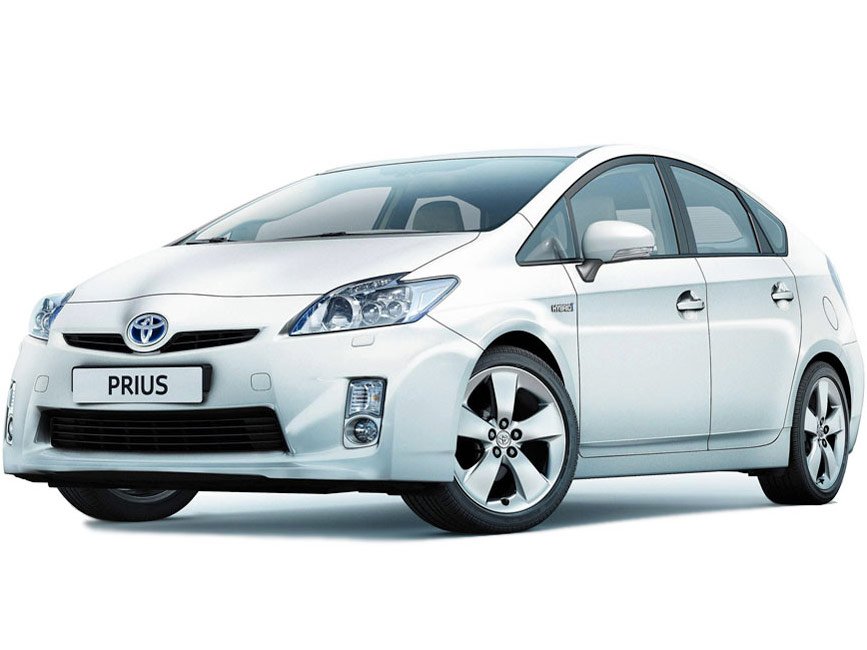
Facelift Production Years
The facelift model was produced from 2019 to 2022.
Fifth-Generation Prius (XW60, 2023–Present)
Bold New Design and Performance
The fifth-generation Prius marked the biggest transformation in the model’s history. It features a sleek, sporty design and a much stronger hybrid powertrain. Instead of being known only for efficiency, this generation delivers noticeably quicker acceleration and more engaging handling. Toyota also modernized the interior with a clean, digital-focused layout and more advanced driver-assistance tech. While new models may be above the budget of some buyers, they set the stage for future used-car bargains. In a few years, these Priuses will likely become popular choices at online auto auctions thanks to their mix of efficiency, style, and improved performance.
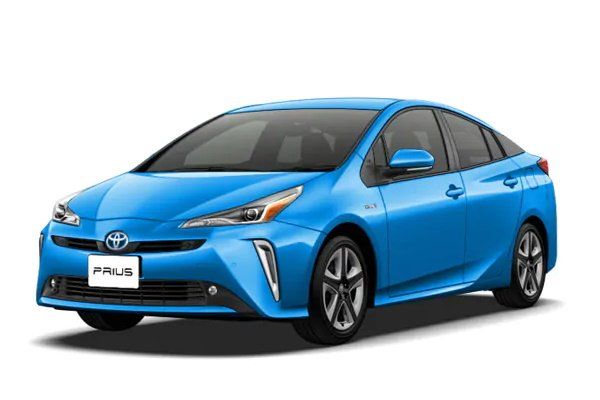
The facelift model was produced from 2019 to 2022.
Fifth-Generation Prius (XW60, 2023–Present)
Bold New Design and Performance
The fifth-generation Prius marked the biggest transformation in the model’s history. It features a sleek, sporty design and a much stronger hybrid powertrain. Instead of being known only for efficiency, this generation delivers noticeably quicker acceleration and more engaging handling. Toyota also modernized the interior with a clean, digital-focused layout and more advanced driver-assistance tech. While new models may be above the budget of some buyers, they set the stage for future used-car bargains. In a few years, these Priuses will likely become popular choices at online auto auctions thanks to their mix of efficiency, style, and improved performance.

Fifth-Generation Prius Production Years
The fifth-generation Prius has been produced from 2023 to the present.
Prius Technology & Engineering
The Prius became a global success not by accident but through smart engineering designed to save fuel, reduce running costs, and deliver long-term reliability. Its technology focused on helping everyday drivers spend less on transportation—whether commuting long distances, driving in city traffic, or simply trying to cut monthly expenses. Understanding how Prius technology works can help budget-conscious buyers choose the right model and appreciate why the Prius remains one of the most cost-efficient cars ever built.
A Closer Look at Hybrid Synergy Drive
Hybrid Synergy Drive is the heart of every Prius. It allows the gasoline engine and electric motor to work together or separately depending on driving conditions. This system is simple for the driver—there are no special buttons or modes required for basic operation. For people watching their budget, the beauty of Hybrid Synergy Drive lies in its predictability. It reduces fuel use during city driving, helps the engine run at its most efficient range, and keeps the overall ownership cost low. Over the years, Toyota refined the system to make it smoother, stronger, and even more reliable.
How the System Works
The Prius switches intelligently between three main power sources: the gasoline engine, the electric motor, and a combination of both. At low speeds or during light acceleration, the car can run on electric power alone, helping drivers save fuel in traffic. When stronger acceleration is needed, the gasoline engine joins in. During cruising, the system balances both power sources to maintain efficiency. This seamless blending is what makes the Prius feel natural to drive. You don’t need to change your habits—the car does the work for you, helping you save money without even noticing it.
Battery Types and Evolution
Earlier Prius models used nickel-metal hydride (NiMH) batteries, known for their durability and ability to handle frequent charge cycles. These batteries became famous for lasting well over 150,000 miles with minimal degradation, which is why many older Prius models remain popular at auctions. As technology evolved, Toyota also introduced lithium-ion (Li-ion) batteries in newer generations. These are lighter, more compact, and offer better efficiency. Regardless of the type, Toyota builds its hybrid batteries to last, making the Prius one of the most dependable choices for buyers who want to avoid expensive repairs.
Regenerative Braking Explained
Regenerative braking is one of the smartest parts of Prius engineering. Instead of wasting energy as heat—like traditional brakes do—the system captures energy when the driver slows down. This energy is then sent back to the battery, keeping it charged while driving. For drivers who spend a lot of time in city traffic or stop-and-go situations, this feature is a major advantage. It improves fuel economy, reduces wear on brake components, and helps maintain the battery’s charge without plugging in. Simply put, every time you slow down, you save a little more fuel and a little more money.
Performance, Fuel Economy & Driving Experience
The Prius has always been designed with one main goal: help drivers spend less on fuel without sacrificing comfort or ease of use. Its performance isn’t about speed—it's about efficiency, smoothness, and reliability. For budget-conscious buyers, these qualities matter far more than horsepower numbers. Whether you're commuting to work, running errands, or taking long weekend trips, the Prius delivers a driving experience that keeps costs low and comfort high.
Real-World MPG
One of the biggest reasons people choose a Prius is its consistently high real-world fuel economy. While official ratings often show 45–55 mpg depending on the generation, many drivers report even better numbers, especially in city environments. The electric motor handles low-speed driving, meaning fewer stops at gas stations. For someone watching their monthly expenses, this predictable efficiency is a major advantage. Even older Prius models can maintain excellent mileage if properly maintained, making them solid choices at online auto auctions.
City vs. Highway Efficiency
The Prius shines brightest in the city. Stop-and-go traffic, which normally wastes fuel, actually benefits the hybrid system. The electric motor takes over during low-speed movement, and regenerative braking keeps the battery charged. For drivers who spend a lot of time in urban areas—delivery workers, rideshare drivers, or commuters—this means real savings every week.
On the highway, the Prius is still efficient, though mileage may be slightly lower than in the city. The gasoline engine works more often at higher speeds, but the aerodynamic design helps maintain strong fuel economy. Whether driving across town or across the state, the Prius remains one of the most fuel-efficient non-plug-in cars available.
Comfort, Handling, and Quietness
The Prius prioritizes comfort over sporty performance. Its suspension is tuned to absorb bumps and rough pavement, making daily trips relaxed and stress-free. The seats are supportive, the cabin layout is intuitive, and road noise is kept to a minimum—especially during electric-only driving.
Handling is stable and predictable. While the Prius isn’t built for aggressive cornering, it feels confident in traffic, on highways, and in tight parking spots. Many drivers appreciate how easy it is to maneuver, especially in busy city areas.
Above all, the quiet driving experience sets it apart. When running on electric power, the Prius glides almost silently, creating a calm environment that many budget-focused buyers appreciate during long commutes or late-night drives.
Safety & Reliability
Safety and reliability have always been core strengths of the Toyota Prius. Many budget-conscious buyers choose this model because it delivers low running costs and long-term dependability. Whether you're purchasing a newer model or an older Prius from an online auto auction, you can expect a car that consistently performs well, holds up over time, and keeps you safe on the road.
Toyota Safety Sense Features
Newer Prius generations come equipped with Toyota Safety Sense, a suite of advanced safety technologies designed to prevent accidents and support the driver. Features like automatic emergency braking, lane departure alert, adaptive cruise control, and pedestrian detection offer extra protection during daily commutes.
For buyers trying to stretch their budget, these safety tools add tremendous value—you get modern driver-assist features without paying a premium price. Even if you’re buying a used Prius, many of these systems continue to work reliably for years, giving you peace of mind on busy roads or long-distance trips.
Common Longevity Benefits
The Prius is famous for lasting well over 150,000–200,000 miles with proper care, and many owners report even higher mileage. Several factors contribute to its longevity:
- The hybrid system reduces engine strain, helping major components last longer.
- Regenerative braking decreases wear on brake pads and rotors.
- Toyota’s engineering emphasizes durability and low-maintenance operation.
For drivers on a tight budget, this means fewer surprise repairs and a car that stays dependable even as mileage climbs. Many Prius owners keep their cars for a decade or more because they remain efficient and inexpensive to maintain.
Typical Issues by Generation
While the Prius is extremely reliable, each generation has a few common problems buyers should be aware of—especially when shopping at online car auctions.
First and Second Generations:
Early models can experience battery degradation after many years, though replacement costs have become more affordable. Some older Priuses may also develop issues with the brake actuator or oil consumption as they age.
Third Generation:
Models from this period are very dependable, but some may experience head gasket problems at high mileage. The EGR system can also clog if not cleaned over time, especially in cars driven mostly on short trips.
Fourth Generation:
These models improved reliability even further, but owners sometimes report minor electrical or infotainment-related issues. Fortunately, repairs are usually inexpensive compared to other hybrid cars.
Buying a Used Toyota Prius: A Budget-Friendly Guide
Shopping for a used Prius is one of the smartest ways to save money on a reliable, fuel-efficient car. Whether you're browsing online auto auctions or comparing listings locally, the Prius offers a unique combination of low operating costs, long-term durability, and strong resale value. For drivers trying to manage their budget without giving up comfort or dependability, it’s one of the best choices on the used-car market.
Why Prius Is a Great Auction Buy
The Prius is consistently popular at online auto auctions because it maintains quality even at higher mileages. Many former fleet and commuter vehicles still run smoothly thanks to Toyota’s durable hybrid system. Buyers who want a dependable daily driver often find excellent deals on clean-title or minor-damage Prius models. Since replacement parts are widely available and hybrid components are built to last, the risk is lower compared to many other used cars.
Affordability and Low Running Costs
One of the biggest advantages of owning a Prius is the low day-to-day cost. The hybrid system helps stretch every gallon of fuel, allowing drivers to cut their monthly expenses significantly. Insurance rates are often manageable, and routine maintenance costs are typically lower than those of traditional gasoline cars. For someone trying to keep their transportation budget in check—like students, families, or new rideshare drivers—the Prius can be a lifesaver.
Strong Resale Value
Even after many years, the Prius holds its value better than many other compact cars. Its reputation for reliability and excellent fuel economy keeps demand high in the used market. This is especially important for budget-focused buyers: if you ever decide to sell or upgrade, you’re more likely to get a good return on your investment. A Prius purchased at a fair auction price can often be sold later with minimal loss.
Ideal for Daily Commutes and Rideshare Drivers
The Prius is built for long days on the road. It’s quiet, comfortable, and designed to reduce driver fatigue. High fuel economy makes it perfect for stop-and-go traffic, while its smooth ride helps during long highway stretches. Many rideshare and delivery drivers choose the Prius because it keeps earnings high and expenses low. For daily commuters, the low fuel usage and dependable hybrid system translate into worry-free operation year after year.
What to Check Before Buying
Before purchasing a used Prius—especially from an online auto auction—it’s important to review key components that affect long-term reliability and ownership costs. The Prius is a dependable car, but like any hybrid, it has specific areas that deserve attention. A careful inspection helps you avoid surprises and ensures you get the best value for your budget.
Battery Health and Replacement Costs
The hybrid battery is one of the most important parts of the Prius. While Toyota’s batteries are known for lasting well over 150,000 miles, age, heat, and poor maintenance can shorten their lifespan. When evaluating a used Prius, check for:
- Warning lights related to the hybrid system
- Irregular charging levels
- Sudden drops in fuel economy
If possible, review a battery health report or run a diagnostic scan. Replacement costs vary depending on the generation and whether you choose a new, refurbished, or used battery. Thankfully, many affordable options exist today, making Prius battery replacements less intimidating than they once were.
Hybrid System Inspection
The hybrid system includes the inverter, electric motor generators, cooling systems, and related wiring. These components are generally very reliable, but high-mileage cars or vehicles with poor maintenance may show wear.
A proper inspection—either through a technician or detailed auction report—should include checks for:
- Inverter coolant levels
- Overheating warnings
- Unusual noises from the engine bay
- Fault codes stored in the system
A healthy hybrid system ensures long-term savings and predictable performance, which is essential for budget-focused buyers.
Common Wear Items
Even though the Prius reduces strain on the engine and brakes, some parts still wear over time. Key items to inspect include:
- Brake pads and rotors (they last long, but not forever)
- Suspension components like struts and bushings
- Water pump (a known wear item in several generations)
- Tires, especially on high-mileage fleet vehicles
Most of these parts are inexpensive to replace, but knowing their condition helps you plan ahead and avoid unexpected expenses right after purchase.
Flood and Salvage Prius Considerations
Flood-damaged or salvage-title Priuses can be tempting because of their lower prices, but they require extra attention. Water damage can affect the hybrid battery, high-voltage wiring, and sensitive electronic components.
If you’re considering a flood or salvage Prius, make sure to check for:
- Corrosion on battery terminals and electrical connectors
- Moisture inside the trunk (where batteries are often located)
- Moldy interior smells
- Water lines under seats or carpeting
While some salvage Prius models are safe and affordable—especially those with minor body damage—it’s important to avoid vehicles with compromised electric components, as repairs can become costly.
Best Prius Model Years to Buy
Choosing the right model year can make a big difference when buying a used Prius. Some years are known for long-term reliability, while others offer the best balance of price, features, and fuel efficiency. For budget-conscious buyers looking at online auto auctions, knowing which generations to target helps ensure you get the most value for your money.
Most Reliable Generations
The third-generation Prius (2010–2015) and the fourth-generation Prius (2016–2018) are widely regarded as the most reliable. These models benefited from Toyota’s refined hybrid system and more robust engineering. They tend to have fewer major issues and long-lasting batteries, making them a safe bet for buyers who want trouble-free ownership. Even high-mileage examples from these years often continue to run smoothly, which is why they are popular at auctions and with first-time hybrid buyers.
Best Budget Options
For buyers focused on affordability, second-generation facelifted models (2006–2009) and early third-generation cars (2010–2011) are excellent choices. They typically have lower auction prices and still offer good fuel economy and dependable hybrid technology. Many of these vehicles are well-maintained, and replacement parts are widely available and inexpensive. These models are ideal for drivers looking to save upfront costs while keeping long-term maintenance manageable.
Best Choices for Fuel Economy
If fuel efficiency is your top priority, look at later third-generation facelifted models (2012–2015) and fourth-generation Priuses (2016–2018). These vehicles often achieve 50+ mpg in real-world driving due to improved aerodynamics, updated battery technology, and more efficient engines. For commuters, rideshare drivers, or anyone looking to reduce monthly fuel expenses, these model years provide the best return on investment. Even on a limited budget, securing one of these high-efficiency models can save hundreds of dollars per year in gas.
Conclusion
After more than two decades on the road, the Toyota Prius has proven itself as a reliable, efficient, and practical vehicle for everyday drivers. Its combination of hybrid technology, low running costs, and long-term durability makes it a standout choice—especially for those on a budget. Whether purchased from an online auto auction or a local dealer, the Prius continues to deliver value that few other cars can match.
Why the Prius Remains a True Legend
The Prius remains a true legend because it redefined what a practical, eco-friendly car could be. It showed that hybrid technology doesn’t have to be expensive or complicated—it can save money, reduce environmental impact, and remain reliable for hundreds of thousands of miles. For budget-minded drivers, this means lower fuel costs, fewer repairs, and strong resale value. Its durable batteries, proven hybrid system, and low maintenance needs make it a smart investment for anyone shopping at auto auctions.
Are you interested in buying a vehicle from US auctions?
With this being said – you can still export vehicles and save up a few thousand dollars with Auto4Export. We have an inventory of over 150k plus vehicles with titles you can export for you to choose from. Once you have placed your bid and won the auction a Bill of Sale document is then emailed to you as proof of purchase – after full payments have been made.
To gain access and get started on your purchase, sign up for free.
Further Reading
Top 10 Least Expensive Cars to Own and Maintain
Top 10 Used Toyota Cars Under $10,000: Reliable and Affordable Picks
Discover Affordable Electric Cars & Hybrids at US Auctions for International Buyers

Do You Have Any Questions?
 Ask Question