


 Log in
 Sign Up


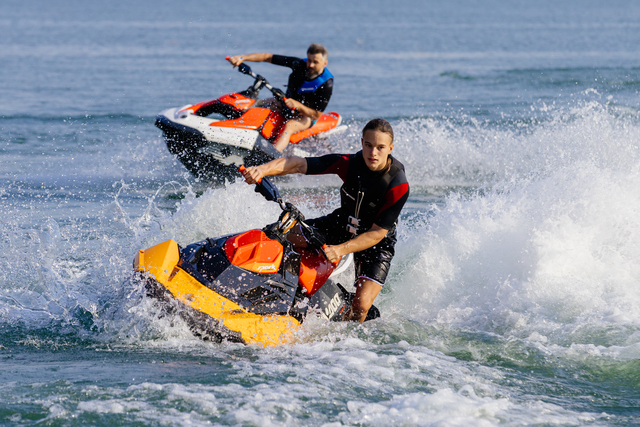


Looking for a jet ski that won’t leave you stranded or drain your wallet? This guide covers the most reliable jet skis of 2026, helping budget-conscious buyers choose models built to last. We break down engine types, brands, maintenance tips, and usage recommendations so you can pick a jet ski that delivers years of fun on the water with minimal repairs.
Understanding Jet Ski Reliability
Before you buy a jet ski, especially from an online auction or secondhand source, it’s important to understand what makes it reliable. Reliability means more than just starting up easily—it’s about consistent performance, fewer repair surprises, and lower long-term costs. For buyers trying to save money, choosing a dependable jet ski helps avoid hidden expenses and keeps fun on the water stress-free.
What Makes a Jet Ski Reliable?
A reliable jet ski is one that performs smoothly season after season without major breakdowns or costly repairs. It starts easily, handles well in various water conditions, and doesn’t require constant trips to the mechanic. Reliability often comes down to strong engine performance, quality materials, and proper maintenance by previous owners.
For example, a 5-year-old Yamaha WaveRunner that’s been regularly serviced can easily outperform a newer but neglected model from a lesser-known brand. That’s why looking beyond just the price tag matters—maintenance records and brand reputation tell you a lot about how well a jet ski will hold up.
Key Factors: Engine Quality, Maintenance, and Design
Engine quality: The heart of every jet ski is its engine. Trusted brands like Yamaha, Sea-Doo, and Kawasaki are known for durable motors that can handle frequent use without overheating or breaking down. Engines with fewer moving parts or those built with corrosion-resistant materials tend to last longer, especially in saltwater environments.
Maintenance: Even the best engine won’t last if it’s poorly maintained. Check for oil change records, flush history (especially after saltwater rides), and overall cleanliness under the seat. A jet ski with consistent care will save you hundreds—or even thousands—on repairs later.
Design: Some jet skis are built tougher than others. Fiberglass hulls resist cracking better than cheap plastic ones, and features like closed-loop cooling systems (found in many Sea-Doo models) reduce corrosion risks. Ergonomic designs also mean less wear on the engine and smoother rides overall.
Why Reliability Matters for Budget-Conscious Buyers
When you’re watching your budget, reliability isn’t just a nice-to-have—it’s essential. An unreliable jet ski might look like a bargain at auction, but frequent repairs, part replacements, and downtime quickly erase any savings.
A reliable model, on the other hand, offers peace of mind and consistent fun without draining your wallet. It lets you focus on enjoying the water instead of worrying about the next breakdown. Plus, if you ever decide to resell, a dependable jet ski with a solid history holds its value much better than one with constant issues.
The Big Three Jet Ski Brands
When it comes to jet skis, three names dominate the market for a reason: Yamaha, Sea-Doo, and Kawasaki. Each brand has its strengths—whether it’s unbeatable reliability, advanced technology, or raw power. For budget-conscious buyers, understanding what sets these brands apart can help you find a used or auctioned jet ski that delivers great performance without expensive surprises.
Yamaha – Built for Longevity and Dependability
Yamaha jet skis, also known as WaveRunners, have built a reputation for being nearly bulletproof. They’re designed with simplicity and long-term reliability in mind. Yamaha engines are known for their 4-stroke marine technology, which delivers consistent performance with less maintenance compared to older 2-stroke designs.
These machines are especially appealing to auction buyers because even older Yamaha models tend to run strong if properly maintained. Their open-loop cooling system is simple and reliable, and the brand’s focus on efficiency helps owners save on fuel and repair costs.
For example, a 2014 Yamaha VX Cruiser with 150 hours of use can still run smoothly today if it’s been serviced regularly. That kind of longevity makes Yamaha one of the smartest picks for those who want a trustworthy ride without paying new-model prices.
Sea-Doo – Innovation Meets Performance
Sea-Doo, built by BRP (Bombardier Recreational Products), is the go-to brand for those who love a balance of speed, comfort, and smart design. What sets Sea-Doo apart is its focus on innovation—features like closed-loop cooling systems, intelligent brake and reverse (iBR), and ergonomic hull designs make them stand out in the industry.
The closed-loop cooling system is a big win for reliability because it keeps saltwater and debris out of the engine, reducing corrosion. Sea-Doo also offers a wide range of models, from sporty options like the RXP-X to budget-friendly and fuel-efficient ones like the GTI series—perfect for buyers who want solid performance without overspending.
However, Sea-Doos tend to require more attention to maintenance, especially the electronics and sensors. If you’re buying one used or at auction, look for well-documented service records to ensure it’s been cared for. A properly maintained Sea-Doo can last years and offer great value for the money.
Kawasaki – Power and Durability Combined
Kawasaki’s Jet Ski line—yes, the brand that actually invented the term “jet ski”—is all about power and endurance. Known for their robust supercharged engines and heavy-duty construction, these models are ideal for riders who crave adrenaline without sacrificing build quality.
Kawasaki jet skis often feature deep-V hulls, which handle rough water conditions better than flatter designs. That makes them great for riders who plan to use them in open water or coastal areas. Models like the Ultra 310 series deliver thrilling speed while maintaining Kawasaki’s reputation for toughness.
For budget-minded buyers, older Kawasaki models (like the STX-15F) can be real gems. They’re simpler, reliable, and easy to maintain with readily available parts. As long as the engine has been flushed regularly and the hull is in good shape, you can expect years of solid use without massive repair bills.
Sea-Doo vs. Yamaha: A Reliability Face-Off
When it comes to choosing between Sea-Doo and Yamaha, the debate often comes down to one key question: which is more reliable in the long run? Both brands lead the jet ski industry and have loyal fan bases, but they take very different paths to achieve performance and durability. For budget-conscious buyers or those shopping at online auto auctions, understanding these differences can help you pick a model that lasts without draining your wallet.
Market Share and Reputation
Yamaha and Sea-Doo dominate the personal watercraft (PWC) market, together holding over 70% of total global sales. Sea-Doo often wins in terms of popularity because of its sleek design, advanced features, and wide model range. Yamaha, however, maintains a reputation for trustworthiness and mechanical simplicity—qualities that appeal to practical buyers who value low maintenance and long life.
In short, Sea-Doo attracts those who want the latest technology and excitement, while Yamaha draws riders who prefer reliability and predictable ownership costs. Both are respected, but the type of owner they suit is very different.
Sea-Doo Pushes the Envelope with Innovation
Sea-Doo is known for constantly pushing boundaries. From intelligent brake and reverse systems (iBR) to closed-loop cooling, the brand keeps adding new features designed to make riding smoother, safer, and more exciting. These innovations make Sea-Doo models some of the most user-friendly on the market—especially for beginners.
However, innovation comes with complexity. More sensors, electronic parts, and unique systems mean more maintenance over time. For example, while the closed-loop cooling system protects against saltwater corrosion, it can be costly to repair if it fails. Sea-Doos are fantastic machines when properly maintained, but for used buyers, especially at auction, it’s important to check that all electronics and features work properly before committing.
Still, for those who love comfort and cutting-edge tech, Sea-Doo offers a premium experience at a reasonable price—especially if you find a well-kept used model.
Yamaha’s Slow and Steady Approach to Quality
Yamaha takes a different route—one built on proven engineering and simplicity. Rather than releasing new, flashy features every year, Yamaha focuses on refining what already works. Its open-loop cooling system, while less high-tech than Sea-Doo’s, is incredibly reliable and easy to maintain.
This minimalist design philosophy means fewer things can go wrong. Yamaha jet skis often have fewer electrical components, making them easier to repair and cheaper to maintain. For budget buyers, this approach is ideal—less risk of surprise repair bills and a smoother ownership experience.
It’s not unusual to see Yamaha WaveRunners from the early 2000s still running strong today with proper care. That kind of longevity explains why Yamaha is often considered the “safe bet” for anyone buying used.
Why Most Rental Companies Choose Yamaha
If you’ve ever rented a jet ski at a beach or resort, chances are it was a Yamaha WaveRunner. There’s a good reason for that—rental companies prioritize reliability and low maintenance over flashy features. They need machines that can withstand heavy daily use, occasional rough handling, and long hours on the water without constant repairs.
Yamaha’s durable engines and simple designs make them perfect for this. Parts are easy to find, maintenance is straightforward, and the machines are built to last. For example, a rental Yamaha VX Cruiser might rack up thousands of hours over several seasons and still perform well.
How Maintenance Affects Reliability
No matter how solid the brand or how new the model, a jet ski’s reliability largely depends on how well it’s been maintained. Proper care keeps the engine healthy, prevents corrosion, and ensures the machine performs like it should every time you hit the water. For buyers shopping used or at auctions, maintenance history can make or break a deal—it’s the clearest sign of whether a jet ski will run smoothly or turn into a costly headache.
The Importance of Regular Service and Proper Care
Just like cars, jet skis need regular service to stay in top shape. Oil changes, spark plug replacements, and cooling system flushes are not optional—they’re essential for keeping the engine clean and lubricated. Ignoring these small tasks can lead to major damage, especially in saltwater environments where corrosion happens fast.
A well-maintained jet ski also offers better fuel efficiency, smoother acceleration, and fewer breakdowns. For example, flushing the engine after every ride removes salt and debris that could block cooling lines or eat away at metal parts. It’s a simple 10-minute task that can extend the life of the engine by years.
If you’re buying used, a good rule of thumb is this: a properly serviced 8-year-old jet ski can be more reliable than a neglected 3-year-old one. Service records tell the story—look for consistent oil changes, clean filters, and regular inspections.
How Well Was It Taken Care Of?
Before making a purchase, take a close look at how the jet ski was treated by its previous owner. Signs of good care include a clean engine bay, rust-free bolts, and well-kept upholstery. On the other hand, corrosion, faded decals, or mildew can suggest poor storage or infrequent use—both red flags for reliability.
Ask for maintenance logs if possible. Even simple handwritten notes about oil changes and winterization are valuable. If you’re buying at auction and records aren’t available, do a quick visual check: pull out the dipstick to inspect oil color (it should be golden, not dark or milky), check the impeller for damage, and inspect the hull for cracks or repairs.
Remember, consistent upkeep reflects a responsible owner—and that usually means fewer problems for you down the line.
Common Maintenance Mistakes to Avoid
Even experienced owners sometimes make small mistakes that lead to big issues. Here are a few common ones to watch out for:
- Skipping the flush: Failing to flush after saltwater use can cause corrosion inside the cooling system, leading to overheating and engine damage.
- Letting fuel sit too long: Old fuel can clog injectors and carburetors. Always add stabilizer if you’re storing the jet ski for more than a month.
- Ignoring battery care: Jet ski batteries drain fast when unused. Keep them charged or disconnected during storage to avoid premature failure.
- Poor storage habits: Leaving a jet ski exposed to sun or rain can damage the hull, seats, and electronics. A simple cover or indoor storage can prevent this.
Supercharged vs. Naturally Aspirated Engines
When choosing a jet ski, one of the biggest decisions you’ll face is the engine type. Most models come with either a supercharged or naturally aspirated engine. While both have their advantages, the right choice depends on how you plan to use your jet ski—and how much you want to spend on upkeep. For budget-conscious buyers, understanding this difference can help you avoid expensive mistakes and pick a model that stays reliable for years.
Why It’s Best to Avoid Supercharged Models (for Reliability)
Supercharged engines are designed for speed and performance. They use a mechanical compressor to push more air into the engine, which creates extra power and faster acceleration. That’s great for thrill-seekers—but not so great for reliability.
These engines run hotter, work harder, and require more frequent servicing. The supercharger unit itself has internal bearings and clutches that wear out over time and must be rebuilt—sometimes as early as every 100 hours of use. If not maintained properly, repairs can easily cost thousands of dollars.
For example, a used Sea-Doo RXP-X or Kawasaki Ultra 310 might deliver incredible speed, but for a buyer on a tight budget, it can be a risky purchase. One failed supercharger rebuild could cost as much as what you saved by buying used.
In contrast, naturally aspirated engines don’t have that extra mechanical stress. They deliver solid, consistent power and are far easier (and cheaper) to maintain. That’s why many experienced buyers and rental fleets stick with non-supercharged models—they may not break speed records, but they keep running reliably season after season.
Pros and Cons of Each Engine Type
Supercharged Engines
Pros:
- Extremely fast acceleration and top speed.
- Great for racing or adrenaline-filled rides.
- Often come with premium features and sporty designs.
Cons:
- Higher maintenance costs due to complex components.
- Shorter engine life if not maintained perfectly.
- Poor fuel efficiency compared to non-supercharged models.
- Risk of expensive repairs (especially at auction).
Naturally Aspirated Engines
Pros:
- Simple design means fewer parts that can fail.
- Better long-term reliability and lower service costs.
- More fuel-efficient—great for longer rides and families.
- Easier to find affordable, used models in good condition.
Cons:
- Slower acceleration and lower top speeds.
- May feel less exciting for performance riders.
Hull Materials and Cooling Systems
When you’re shopping for a jet ski—especially a used or auctioned one—two technical details can tell you a lot about its reliability and lifespan: the hull material and the cooling system. These features affect not only how the jet ski performs on the water but also how well it handles wear, corrosion, and long-term maintenance costs. Understanding the differences helps you make a smarter purchase that lasts longer and costs less to maintain.
Plastic vs. Fiberglass: Which Lasts Longer?
Jet ski hulls are typically made of either plastic (polytec or composite) or fiberglass. Both have their advantages, but they perform differently over time.
Plastic hulls (like Sea-Doo’s Polytec) are lightweight, affordable, and more resistant to small dings or scratches. They make jet skis easier to maneuver and can improve fuel efficiency. However, plastic tends to fade and warp with sun exposure, and once it cracks, repairs can be tricky or even impossible. For casual riders or budget buyers who plan on gentle use, plastic hulls can be a solid option—just keep them well covered and stored indoors when possible.
Fiberglass hulls, on the other hand, are known for strength and longevity. They handle rough waters better, resist warping, and are easier to repair if damaged. That’s why most high-end or older models use fiberglass—it’s heavier, but it provides a smoother, more stable ride and lasts for many years with proper care.
For buyers looking for durability and resale value, fiberglass is generally the better long-term investment. Plastic might save you some money upfront, but fiberglass holds up better over time—especially if you plan to use your jet ski often or in rough conditions.
Closed-Loop vs. Open-Loop Cooling Systems
Cooling systems are another key factor that affects both performance and reliability. Jet skis use one of two types: closed-loop (found in most Sea-Doo models) or open-loop (used by Yamaha and Kawasaki). Each system keeps the engine from overheating, but they do it in very different ways.
Closed-Loop Pros:
- No saltwater inside the engine: The system uses coolant, not lake or ocean water, which prevents corrosion and extends engine life.
- Consistent temperature control: It keeps the engine running at an optimal temperature, improving performance and longevity.
- Great for saltwater riders: Perfect for those who frequently ride in the ocean since it protects internal parts from salt buildup.
Closed-Loop Cons:
- More complex and costly to repair: The system has more components—like pumps, radiators, and sensors—that can fail.
- Harder to service: Not every mechanic is familiar with closed-loop systems, and replacement parts can be expensive.
- Hidden damage risk: Since coolant leaks aren’t visible like salt buildup, issues can go unnoticed longer.
Open-Loop Pros:
- Simpler and cheaper to maintain: It draws in water directly from the lake or ocean to cool the engine, meaning fewer moving parts to break.
- Proven reliability: Yamaha and Kawasaki have used this system for decades, and it’s known for being rugged and dependable.
- Easier to service: Any marine mechanic can handle maintenance or repairs without special equipment.
Open-Loop Cons:
- Vulnerable to corrosion: Saltwater can cause buildup inside the engine if you don’t flush it after every ride.
- Temperature fluctuations: Water temperature affects cooling efficiency, especially in warm or dirty water.
- Requires consistent care: Failing to flush after use can shorten engine life significantly.
The Most Reliable Jet Ski Models in 2025
Whether you’re shopping new, used, or at an online auction, reliability should always be your top priority. A dependable jet ski saves you money on repairs, keeps maintenance simple, and ensures a fun, worry-free experience every time you hit the water. In 2025, several models stand out for their strong engines, solid build quality, and proven performance. Here are some of the most reliable jet skis worth considering—each offering a great balance of value and durability for budget-conscious buyers.
Yamaha VX Cruiser HO – Balanced Power and Durability
The Yamaha VX Cruiser HO has long been a favorite for riders who want a reliable, all-around performer. It’s powered by Yamaha’s 1.8L High Output engine, which delivers smooth acceleration without the extra maintenance demands of a supercharger.
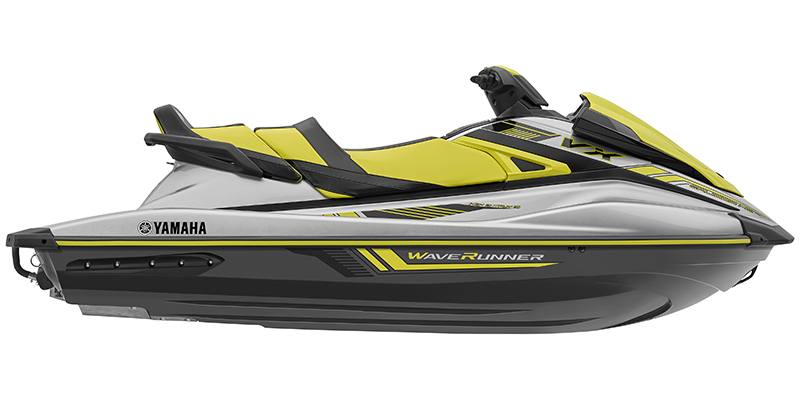
Built on Yamaha’s durable NanoXcel2 hull, this model offers excellent handling and fuel efficiency. Its open-loop cooling system is simple and proven, making it easy to maintain even after years of use. For buyers looking at auction listings, the VX Cruiser HO is a smart pick—it’s common in rental fleets and often found in great shape thanks to Yamaha’s reputation for longevity.
Sea-Doo GTX Limited 300 – Comfort and Consistent Performance
If comfort and luxury matter just as much as reliability, the Sea-Doo GTX Limited 300 delivers both. It’s a powerful model, equipped with a supercharged 300-horsepower Rotax engine, yet it remains impressively consistent when maintained properly.
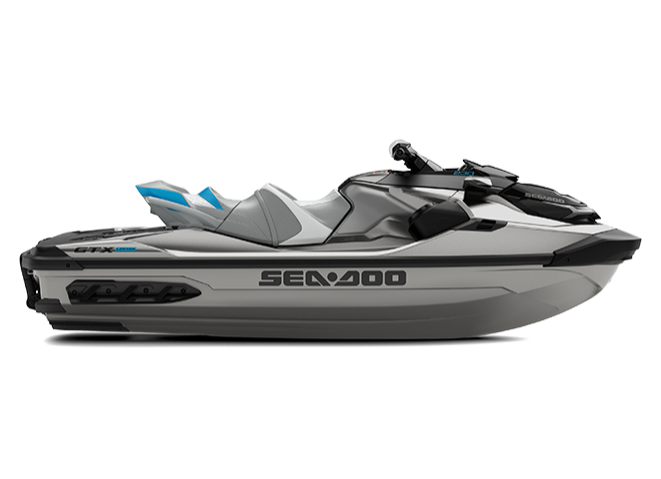
The closed-loop cooling system protects the engine from saltwater corrosion, while Sea-Doo’s ergonomic design ensures smooth, stable rides even in rough conditions. While it requires more careful upkeep due to its supercharger, this model can last for years when serviced regularly. For those who value a premium experience and plan to stay on top of maintenance, the GTX Limited 300 is a solid long-term investment.
Kawasaki STX 160LX – Simple, Tough, and Reliable
The Kawasaki STX 160LX is a model built with reliability at its core. It uses a naturally aspirated 1,498cc engine, known for being nearly indestructible with proper care. This engine design has been in Kawasaki’s lineup for years, which means replacement parts are easy to find and mechanics are familiar with it.
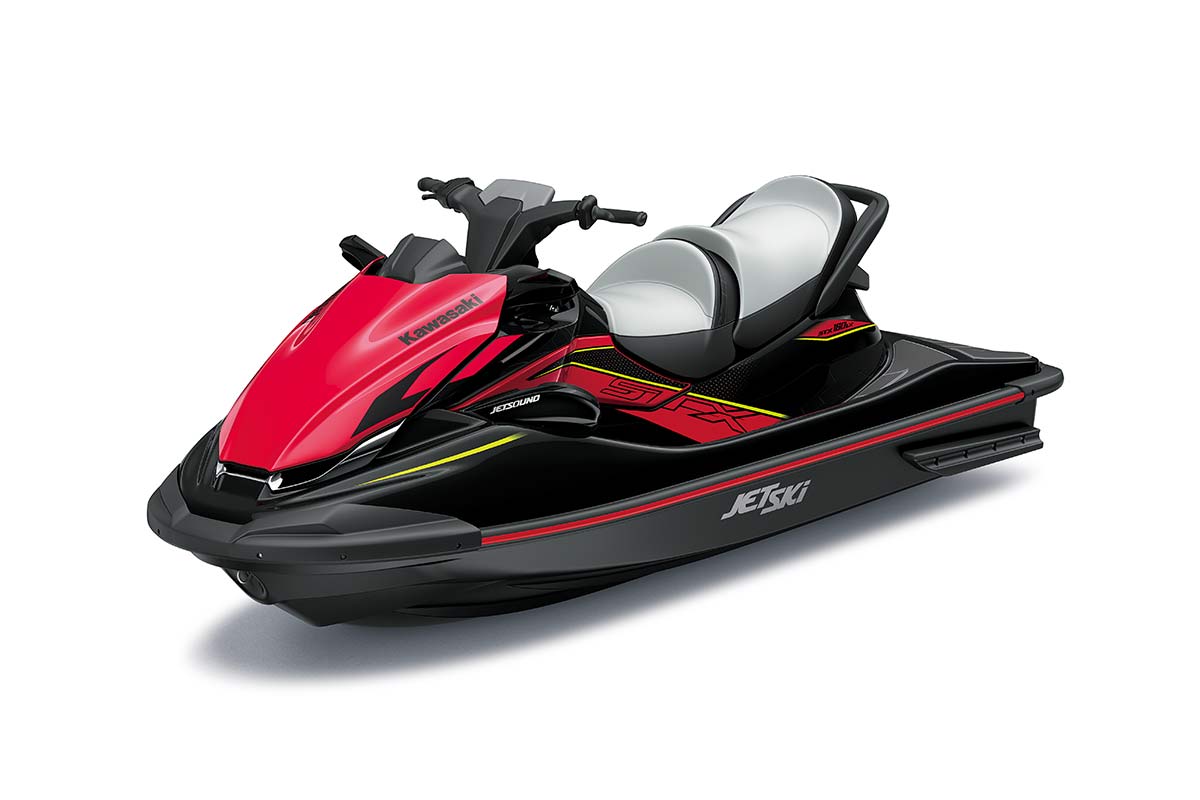
With its deep-V hull, the STX 160LX handles choppy water better than many competitors. It doesn’t have fancy electronics or complicated cooling systems, which is exactly why it’s so dependable. For budget buyers or anyone new to jet skiing, the STX 160LX is one of the most practical and long-lasting choices on the market.
Yamaha GP1800R HO – Built for Speed and Longevity
The Yamaha GP1800R HO proves that high performance doesn’t have to mean high maintenance. It’s powered by the same reliable 1.8L High Output engine found in the VX Cruiser but tuned for sportier performance. Unlike its supercharged GP1800R SVHO sibling, this naturally aspirated version offers thrilling speed without the risk of costly supercharger repairs.
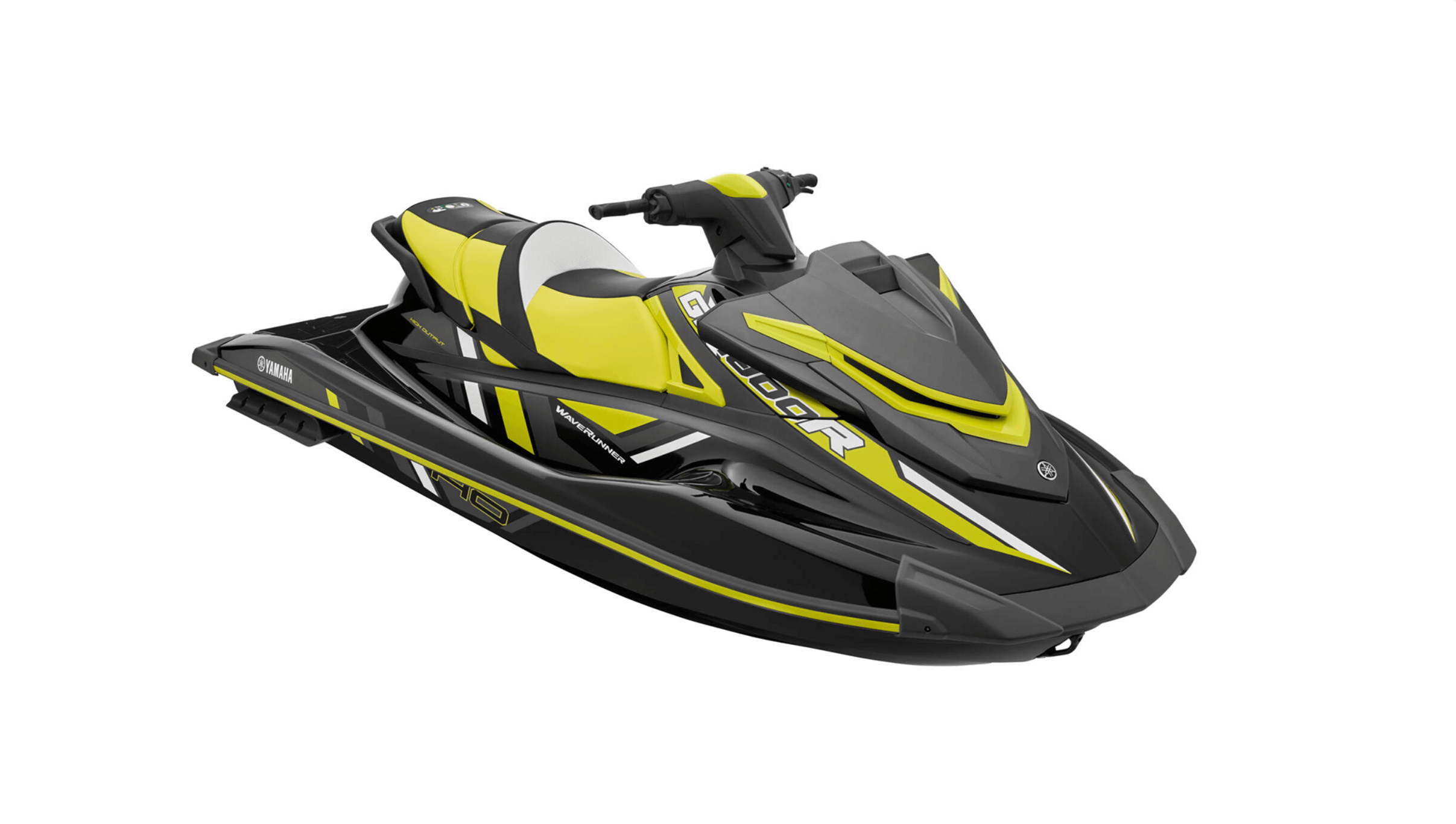
Built with Yamaha’s ultra-light NanoXcel2 hull, it’s both fast and fuel-efficient. Riders love its precise handling, and mechanics appreciate its straightforward maintenance. For auction buyers, a used GP1800R HO can be a fantastic find—strong, sporty, and dependable enough for years of weekend fun.
Sea-Doo Spark – Affordable, Lightweight, and Easy to Maintain
The Sea-Doo Spark has become the go-to option for budget-conscious buyers who want something fun, simple, and cheap to maintain. It’s powered by the small but durable Rotax 900 ACE engine, available in both 60 and 90 horsepower versions.
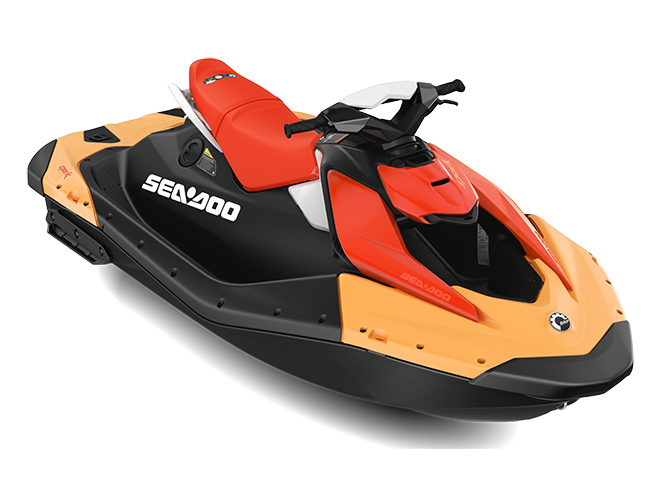
Made from Sea-Doo’s lightweight Polytec hull material, the Spark is easy to handle and fuel-efficient. While plastic hulls aren’t as tough as fiberglass, they make the Spark more affordable and easier to tow. Maintenance is minimal, and parts are inexpensive—making it ideal for first-time owners or those buying at auction who want to avoid big repair bills.
Sea-Doo FishPro Trophy 170 – The Reliable Choice for Anglers
For those who love fishing as much as riding, the Sea-Doo FishPro Trophy 170 offers the best mix of utility and dependability. Powered by the Rotax 1630 ACE engine, this model delivers steady performance and impressive fuel economy.
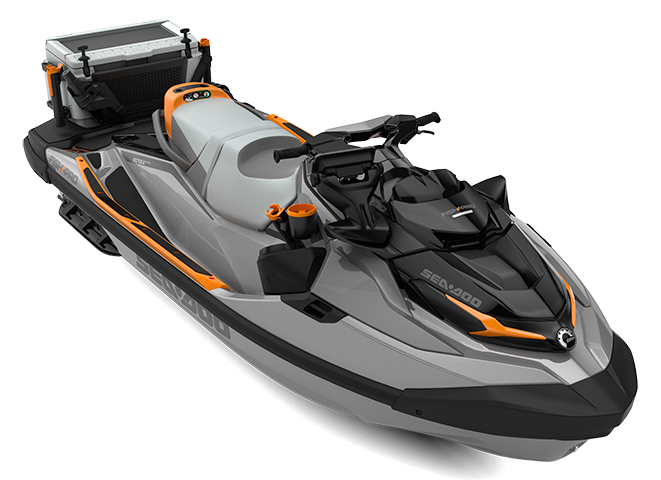
Its closed-loop cooling system keeps the engine corrosion-free, while fishing-focused features—like a removable cooler, GPS, and extended rear platform—make it perfect for long days on the water. Despite its advanced features, the FishPro Trophy 170 remains remarkably reliable, especially when serviced on schedule.
Jet Ski Reliability by Usage Type
Not all jet skis are built for the same purpose. Some are designed for family fun and calm cruising, while others are made for high-speed rides or long fishing trips. Reliability depends heavily on how and where you use your jet ski. A model that’s perfect for a beginner might not suit a thrill-seeker, and vice versa. Below are some of the most reliable jet skis by usage type, helping you choose the right one for your lifestyle—and your budget.
Best Jet Skis for Family and Recreation
When it comes to family-friendly riding, reliability means comfort, stability, and low maintenance. You want something that starts easily, runs smoothly, and doesn’t require constant tuning. The Yamaha VX Cruiser HO and Sea-Doo GTI SE 170 are excellent options.
The VX Cruiser HO is known for its balance between power and fuel efficiency, making it perfect for long weekend rides. Its simple open-loop cooling system is easy to maintain, even for owners without much technical experience. The Sea-Doo GTI SE 170, on the other hand, features a closed-loop cooling system that protects against saltwater damage, which is great for families who ride near the coast.
Both models have spacious seating for two or three passengers, solid hull designs for stability, and affordable maintenance costs. For families or casual riders, they offer years of worry-free fun without unexpected repair bills.
Best Jet Skis for Fishing
Fishing jet skis need more than power—they require stability, storage, and fuel efficiency. The Sea-Doo FishPro Trophy 170 easily leads this category. Built specifically for anglers, it includes a cooler, GPS, rod holders, and an extended rear platform for gear.
Its Rotax 1630 ACE engine is known for being reliable and easy to maintain, while the closed-loop cooling system keeps it corrosion-free even after long saltwater trips. The Yamaha FX Cruiser HO is another dependable choice, offering a stable hull and plenty of deck space for equipment.
If you’re buying at auction or secondhand, look for models with clean hulls and working electronics. Fishing jet skis often run for long hours, so well-documented maintenance history is key to ensuring long-term reliability.
Best Jet Skis for Performance and Speed
If you’re after speed but still want reliability, go for a naturally aspirated performance model. Supercharged engines may offer thrilling acceleration, but they’re more expensive to maintain and can wear out faster.
The Yamaha GP1800R HO is the standout here—it’s fast, responsive, and built with Yamaha’s proven 1.8L High Output engine. It delivers exciting performance without the maintenance burden of a supercharger.
For those who prefer Sea-Doo, the RXP-X 325 offers incredible handling and acceleration, though it does use a supercharged engine. Buyers on a budget should be cautious with such models and ensure the supercharger has been properly serviced.
Overall, Yamaha remains the top pick for those who want reliable speed without long-term worries, making the GP1800R HO the smart choice for performance seekers who still value dependability.
Best Jet Skis for Beginners
New riders should focus on ease of use, safety, and simplicity. The best beginner jet skis are lightweight, easy to handle, and inexpensive to maintain. The Sea-Doo Spark and Yamaha EX Deluxe fit this description perfectly.
The Sea-Doo Spark is affordable, fuel-efficient, and powered by the dependable Rotax 900 ACE engine. It’s a great entry-level model for learning the basics without spending a fortune. The Yamaha EX Deluxe, meanwhile, features a simple, reliable TR-1 marine engine that’s known for long life and low maintenance costs.
How to Choose a Reliable Used Jet Ski
Buying a used jet ski can be a smart way to save money—especially if you know what to look for. A well-maintained used model can offer years of reliable performance at a fraction of the cost of a new one. However, not all used jet skis are equal. Some may hide problems like engine corrosion, hull damage, or neglected maintenance. Here’s how to spot a good deal and avoid expensive surprises.
What to Check Before Buying
Before committing to a used jet ski, always inspect both the exterior and mechanical parts carefully. Start with the hull—it should be smooth, free from deep cracks, or repairs that look uneven. Scratches are normal, but any large dents or fiberglass patches could signal past accidents.
Next, check the engine and electrical components. Look for corrosion around the battery terminals, signs of oil leaks, or rusted bolts. These could indicate exposure to saltwater or poor maintenance. Start the engine (if possible) and listen for unusual knocking or grinding sounds—those may suggest internal wear.
Also, don’t forget to inspect the impeller and jet pump, as damaged blades can reduce performance. Finally, confirm that the jet ski’s VIN (Vehicle Identification Number) matches the paperwork, ensuring you’re not buying a stolen or rebuilt unit.
If you’re buying online or from an auction, request detailed photos and a full condition report to make an informed decision.
How to Read Service History and Hours of Use
A jet ski’s service history tells you more than its age—it shows how well it’s been cared for. Regular oil changes, spark plug replacements, and annual inspections indicate a responsible owner. If there’s no record of maintenance, assume that some upkeep was skipped and budget for a full service.
Equally important are the engine hours, which are like mileage for cars. Most reliable jet skis run smoothly up to 300–500 hours when properly maintained. Anything above 200 hours isn’t necessarily bad—it just means you should double-check maintenance records and engine condition.
When reviewing the logs, watch for consistent service intervals and note any major repairs. If the jet ski had a rebuilt engine, ask for proof of professional work. A detailed, transparent service history is one of the strongest signs of a reliable purchase.
Why Buying from Auctions Can Save You Money
Buying a used jet ski from an auction—especially a salvage or insurance auction—can offer excellent value if you know what you’re doing. Many jet skis end up at auction for minor cosmetic damage, transport issues, or repossessions rather than serious mechanical problems.
At platforms like Copart or IAAI, buyers can find branded models such as Yamaha, Sea-Doo, or Kawasaki at up to 40–60% below retail price. While some may need light repairs or cleaning, others are in near-perfect running condition.
However, the key is to research thoroughly before bidding. Review the auction photos, request inspection reports, and set a strict budget. Consider working with a trusted export or auction agent who can help you verify listings and handle paperwork.
Common Issues and How to Avoid Them
Even the most reliable jet skis can run into problems if they aren’t properly maintained or if previous owners neglected care. Understanding common issues—and how to prevent them—can save you time, money, and frustration. For buyers shopping used or at auctions, this knowledge is especially important to avoid costly surprises.
Engine Overheating and Cooling Problems
One of the most frequent issues in jet skis is engine overheating, often caused by clogged or malfunctioning cooling systems. Open-loop systems, which draw water directly from lakes or oceans, can get blocked by debris, seaweed, or sand. Closed-loop systems, while protected from corrosion, can develop leaks or coolant problems if neglected.
To avoid overheating, always flush the engine after every ride in saltwater, check the water intake for obstructions, and inspect hoses and pumps for wear. If buying used, ask about the maintenance of the cooling system and watch for signs of overheating like warped components or burnt oil. Preventive care keeps the engine running smoothly and dramatically extends its life.
Electrical and Battery Issues
Electrical problems are another common headache, especially in older or poorly maintained jet skis. Batteries can lose charge quickly if left unused, and corrosion on terminals can prevent the engine from starting. Faulty wiring or damaged sensors can also trigger engine warnings or make electronic features fail.
To avoid these issues, check the battery condition and test all electrical components before buying. Keep the battery charged when not in use and disconnect it during storage. For auction or used purchases, look for jet skis with documented battery care and functional electronics. Regular attention prevents small electrical issues from turning into expensive repairs.
Hull Damage and Corrosion Prevention
The hull is the foundation of your jet ski, and damage or corrosion here can compromise safety and performance. Fiberglass hulls are strong and easier to repair, while plastic hulls are lighter but more prone to warping or cracking. Saltwater exposure accelerates corrosion on bolts, metal fittings, and engine parts.
Prevent hull and corrosion problems by rinsing and drying your jet ski after each use, especially after saltwater rides. Store it under a cover or indoors to protect it from sun and moisture. When buying used, inspect the hull for cracks, previous repairs, or soft spots, and check metal components for rust. Proactive care ensures your jet ski remains structurally sound and reliable for years.
Expert Tips for Long-Term Reliability
Owning a jet ski can be a rewarding experience, but keeping it running reliably over the years requires consistent care. Even the most durable models can suffer from neglect. For budget-conscious buyers, following expert tips can help you avoid costly repairs and enjoy worry-free rides for many seasons.
Flush After Every Ride
Flushing your jet ski after each ride—especially in saltwater—is one of the simplest and most effective ways to protect the engine. Flushing removes salt, sand, and debris that can clog cooling systems and corrode internal parts.
Even freshwater rides benefit from a quick rinse, as leaves, mud, and dirt can build up inside the jet pump and intake. A 10-minute flush after every trip can extend engine life dramatically and prevent small problems from turning into expensive repairs.
Use the Right Fuel and Oil
Using the correct fuel and oil is critical for engine health. Check the manufacturer’s recommendations for octane levels and oil type, and avoid cheap substitutes that can cause deposits or engine knocking.
For stored jet skis, adding a fuel stabilizer prevents gasoline from degrading, which can clog fuel lines and carburetors. Regular oil changes, spark plug replacements, and top-ups according to the engine type (4-stroke or 2-stroke) also keep performance steady and reduce long-term wear.
Store Properly During Off-Season
How you store your jet ski during the off-season affects its reliability as much as daily maintenance. Always keep it covered and out of direct sunlight to prevent UV damage and fading. Indoor storage is ideal, but if outdoor storage is unavoidable, invest in a high-quality cover that protects against rain, dust, and pests.
Additionally, winterizing the engine, draining water from the cooling system, and disconnecting the battery are essential steps to prevent corrosion, freezing damage, and battery failure. Proper storage ensures your jet ski is ready to ride when the season starts again.
Stick to the Manufacturer’s Maintenance Schedule
Finally, following the manufacturer’s recommended maintenance schedule is the easiest way to keep a jet ski running reliably. This includes periodic inspections, oil and filter changes, impeller checks, and flushing intervals.
Even small deviations can lead to accelerated wear, while sticking to the schedule keeps warranties valid and ensures the engine, hull, and electrical systems remain in top condition. For used or auction-purchased jet skis, bringing them up to date with the maintenance schedule is often the most cost-effective way to guarantee long-term reliability.
Are Yamaha Jet Skis the Most Reliable Overall?
When it comes to personal watercraft, Yamaha has earned a reputation for exceptional reliability. From weekend riders to rental companies, many consider Yamaha jet skis the safest and most dependable choice. Their balance of durability, performance, and ease of maintenance makes them a standout option for anyone looking for a long-term, trouble-free experience.
User-Friendly and Intuitive Design
One reason Yamaha is so reliable is its user-friendly design. Controls are straightforward, seating is comfortable, and handling is predictable, making it easy for both beginners and experienced riders to enjoy. Even advanced models like the GP1800R HO maintain simple operation without overwhelming features that could fail or require complex repairs.
Intuitive design also extends to maintenance. Accessing the engine, checking fluids, and performing routine service is simpler than with many competitors. For budget-conscious buyers or first-time owners, this ease of use reduces the risk of mistakes and keeps maintenance costs low.
Proven Durability Over Years of Use
Yamaha jet skis are built to last for thousands of hours of use when properly maintained. Their engines, hulls, and mechanical components are designed for consistency and longevity rather than flashy performance. Open-loop cooling systems, durable NanoXcel or fiberglass hulls, and minimal electronics contribute to fewer points of failure over time.
Many used Yamaha models, including those from rental fleets, continue running strong after a decade or more. This proven durability is especially valuable for buyers shopping online or at auctions, where past usage and maintenance may vary. A Yamaha that’s been cared for properly can provide reliable performance well beyond its age.
Why Yamaha Remains the Top Pick for Rentals and Owners
Rental companies worldwide overwhelmingly choose Yamaha WaveRunners for their fleets. The reason is simple: Yamaha offers predictability and low maintenance demands, even under heavy daily use. Parts are widely available, repairs are straightforward, and engines withstand repeated abuse without frequent breakdowns.
For individual owners, this translates to peace of mind. You don’t have to worry about hidden issues or complex repairs every season. The combination of intuitive design, strong engineering, and long-term reliability makes Yamaha the safest bet for anyone who wants a jet ski that performs consistently and holds its value over time.
Final Thoughts: The Best Jet Ski for You
Choosing the right jet ski is about more than just brand or horsepower—it’s about finding a model that matches your needs, riding style, and budget while remaining reliable for years to come. By considering reliability, maintenance, and costs upfront, you can make a purchase that delivers fun on the water without draining your wallet.
Balancing Reliability, Performance, and Budget
When shopping for a jet ski, it’s important to balance performance with practicality. High-speed supercharged models may look exciting, but naturally aspirated Yamaha or Kawasaki options often offer longer lifespans and lower maintenance costs. For casual riders or families, models like the Yamaha VX Cruiser HO or Sea-Doo GTI SE 170 provide dependable performance, comfort, and efficiency without breaking the bank.
Budget-conscious buyers should also consider hull materials and engine type. Fiberglass hulls and open-loop cooling systems tend to be easier and cheaper to maintain, while high-tech electronics and superchargers increase long-term costs. The key is to pick a jet ski that suits your intended usage and doesn’t compromise reliability for temporary thrills.
Why Paying Attention to Maintenance Pays Off
A reliable jet ski depends largely on consistent care. Flushing after each ride, using the correct fuel and oil, following manufacturer maintenance schedules, and proper storage during the off-season can dramatically extend the life of your jet ski. Even a well-built Yamaha or Sea-Doo can fail prematurely if neglected.
For used or auction-purchased models, reviewing service history and engine hours is critical. A jet ski with documented, regular maintenance is far more likely to remain trouble-free than a newer model with unknown care. Investing a little time and attention upfront ensures years of stress-free enjoyment on the water.
How to Find the Best Deals on Reliable Jet Skis at Auction
Auctions can be a goldmine for high-quality, reliable jet skis at lower prices. Platforms like Copart and IAAI often list well-maintained models, repossessions, or lightly damaged units at up to 50–60% below retail. To get the best deals, research listings carefully, inspect photos and condition reports, and set a strict budget for bidding.
Look for popular, proven models—Yamaha WaveRunners, Sea-Doo GTIs, or Kawasaki STXs—with solid maintenance records. Partnering with an auction agent or export service can help navigate paperwork, shipping, and verification, ensuring you buy a reliable jet ski without unexpected issues.
Are you interested in buying a vehicle from US auctions?
With this being said – you can still export vehicles and save up a few thousand dollars with Auto4Export. We have an inventory of over 150k plus vehicles with titles you can export for you to choose from. Once you have placed your bid and won the auction a Bill of Sale document is then emailed to you as proof of purchase – after full payments have been made.
To gain access and get started on your purchase, sign up for free.
Further Reading
A Beginner’s Guide to Jet Skiing
Used Sports Car: What You Need to Know Before Buying One
5 Best Used Cars for City Driving That Fit Your Budget
Most Reliable Used Cars Under $10,000 in 2025

Do You Have Any Questions?
 Ask Question