


 Log in
 Sign Up


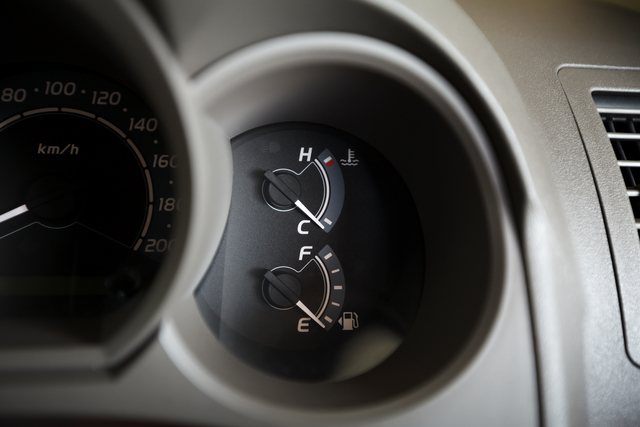


Looking to save money on fuel in 2026? This guide highlights the most fuel-efficient cars, from city hybrids to compact SUVs. Learn which models deliver the best MPG, what to consider for your driving needs, and how to reduce running costs. Perfect for budget-conscious buyers who want to make smart, economical choices without sacrificing comfort or practicality.
What Does “Fuel Efficient” Mean in 2026?
In 2026, fuel efficiency is no longer just about how far a car goes on one gallon of fuel. It now includes how smart the engine is, how the car uses electricity, and how it performs in real daily driving. For budget buyers, fuel efficiency means lower fuel bills every month, not just good numbers on paper.
MPG, MPGe, and Real-World Fuel Economy
MPG (miles per gallon) is still the most common measure for petrol and diesel cars. The higher the MPG, the less fuel you use to drive the same distance.
MPGe is used for electrified cars, like plug-in hybrids. It shows how efficiently a car uses energy, including electricity.
But here’s the key point for real people: real-world fuel economy is often lower than official ratings. Traffic, short trips, cold weather, and aggressive driving all reduce efficiency. For example, a car rated at 55 MPG might deliver closer to 45–48 MPG in daily city driving. That difference matters when you’re filling up every week.
Petrol vs Hybrid vs Diesel vs Plug-in Hybrid
- Petrol cars are usually cheaper to buy, but they cost more to run long-term due to higher fuel use.
- Hybrid cars combine petrol and electric power. They are very efficient in city driving and don’t need charging. This makes them a popular choice for budget buyers.
- Diesel cars can still be fuel efficient on highways, but maintenance costs and emission rules make them less attractive in 2026.
- Plug-in hybrids offer short electric-only driving, but only save money if you charge them regularly. Without charging, they can become heavy and less efficient than normal hybrids.
For most cost-focused buyers, standard hybrids offer the best balance of savings and simplicity.
Why Fuel Efficiency Matters for Budget Buyers
Fuel efficiency directly affects your monthly expenses. Saving even $40–$60 per month on fuel adds up to hundreds of dollars per year. That money can go toward insurance, maintenance, or simply staying within budget.
For example, someone commuting to work five days a week may spend $200 a month on fuel in an inefficient car. Switching to a fuel-efficient hybrid could cut that to $120–$140. Over a year, that’s real money saved—without changing driving habits.
Which Cars Have the Best Fuel Economy in 2026?
In 2026, the most fuel-efficient cars are not always the smallest or the cheapest. Advances in hybrid systems, engine tuning, and vehicle design mean that even practical family cars can deliver impressive fuel economy. For budget buyers, the key is choosing the right type of car for how you actually drive.
Fuel Efficiency by Vehicle Type
Different vehicle types offer different fuel economy levels. Understanding these differences helps you avoid overpaying at the pump.
City Cars and Superminis
City cars and superminis are the most fuel-efficient options overall. They are light, compact, and designed for stop-and-go traffic. Many modern models use hybrid or mild-hybrid systems that work especially well in urban driving.
For someone who mainly drives to work, the store, and school, these cars can deliver excellent real-world MPG and very low fuel bills. Parking is easier, insurance is often cheaper, and maintenance costs stay low.
Hatchbacks and Compact Cars
Hatchbacks and compact cars offer a balance between efficiency and practicality. They usually have better fuel economy than larger vehicles but provide more space than city cars.
Hybrid compact cars are especially strong in 2026. They perform well both in city traffic and on highways, making them a good choice for drivers who commute daily but still need room for passengers or cargo.
Crossovers and Family Cars
Crossovers and family cars are heavier, so they naturally use more fuel. However, modern hybrid systems have improved efficiency a lot. In 2026, some hybrid crossovers can match the fuel economy of older petrol hatchbacks.
These cars make sense for families who need space but still want to control fuel costs. The trade-off is slightly higher fuel use in exchange for comfort, safety, and versatility.
Real-World vs Manufacturer MPG Ratings
Manufacturer MPG ratings are measured in controlled test conditions. Real-world fuel economy is usually lower. Traffic, weather, road conditions, and driving habits all affect how much fuel you actually use.
For example, a car rated at 60 MPG might realistically deliver:
- 50–52 MPG in city driving
- 55 MPG on steady highway trips
Factors That Affect Fuel Consumption
Even the most fuel-efficient car can use more fuel than expected if certain factors are ignored. In 2026, modern technology helps reduce fuel use, but real savings still depend on how the car is built, driven, and maintained. For budget buyers, understanding these factors can make a noticeable difference in monthly fuel costs.
Engine Size and Technology
Smaller engines usually consume less fuel, especially in city driving. Modern cars also use advanced technology like turbocharging, variable valve timing, and hybrid systems to improve efficiency.
For example, a small hybrid engine can outperform a larger petrol engine in everyday traffic. This is why many 2026 fuel-efficient cars focus on smart engine design rather than raw power. For budget buyers, choosing efficiency over horsepower keeps fuel costs under control.
Vehicle Weight and Aerodynamics
Heavier cars need more energy to move, which increases fuel consumption. Aerodynamics also play a major role—cars with smoother shapes and lower drag use less fuel at highway speeds.
For instance, a compact hatchback will usually be more fuel-efficient than a tall SUV, even if both have similar engines. Reducing weight and wind resistance helps cars maintain better MPG in real-world driving.
Driving Style and Daily Use
How you drive matters as much as what you drive. Aggressive acceleration, high speeds, and frequent braking all increase fuel consumption. Short trips where the engine doesn’t fully warm up also reduce efficiency.
A calm driving style can improve fuel economy by 10–20% without spending any extra money. For someone commuting daily, this can mean saving one or two full tanks of fuel per month.
Maintenance and Tire Condition
Poor maintenance increases fuel use. Low tire pressure, dirty air filters, and old engine oil force the car to work harder.
Top 10 Most Fuel Efficient Cars to Buy in 2026
Fuel efficiency in 2026 is no longer limited to small, uncomfortable cars. Modern hybrids offer strong performance, low fuel consumption, and long-term reliability. For budget-conscious buyers, these cars help reduce monthly fuel costs without sacrificing daily usability.
1. Toyota Prius
Fuel Economy Overview
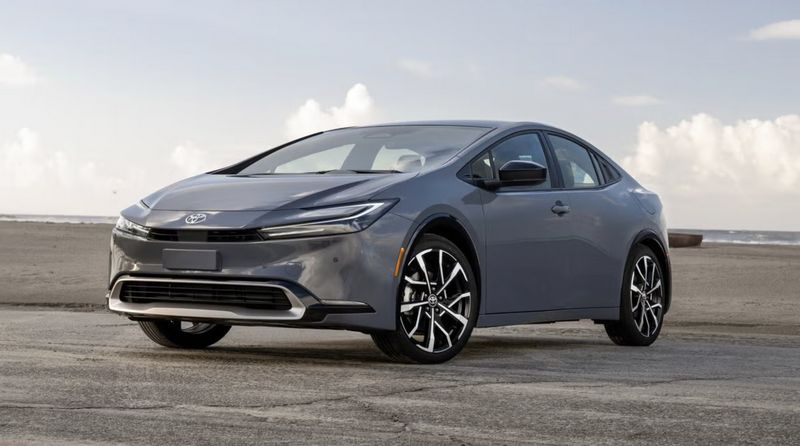
The Toyota Prius remains one of the most fuel-efficient cars on the road in 2026. In real-world driving, it delivers excellent MPG in both city and mixed use. Stop-and-go traffic is where it shines the most, often using very little fuel during short trips and commutes.
For someone driving to work every day, this can mean fewer fuel stops and noticeable savings each month.
Engine and Hybrid System
The Prius uses a proven petrol-electric hybrid system that automatically switches between electric power, petrol power, or both. You don’t need to plug it in or change your routine. The system is designed for efficiency, not performance, which keeps fuel use low and operation smooth.
This setup is especially helpful for drivers who want hybrid savings without dealing with charging cables or home chargers.
Pros for Budget Buyers
- Very low fuel consumption in city and suburban driving
- Strong reliability record and long-lasting hybrid components
- Lower fuel bills compared to petrol-only cars
- Widely available on the used and auction market
For example, a buyer switching from a regular petrol sedan to a Prius may save hundreds of dollars per year on fuel alone.
Cons to Consider
- Higher purchase price compared to non-hybrid compact cars
- Not designed for sporty driving or high performance
- Interior materials may feel basic in older trims
2. Toyota Yaris Hybrid
Fuel Economy Overview
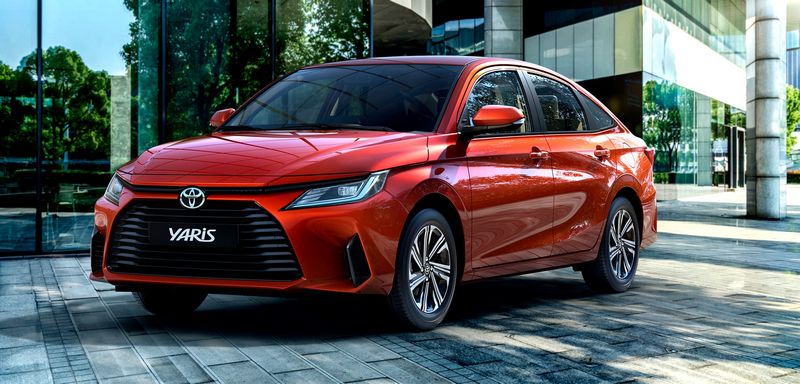
The Toyota Yaris Hybrid is one of the most fuel-efficient small cars you can buy in 2026. It delivers excellent MPG in real-world city driving, where frequent stops and low speeds usually increase fuel use in petrol cars. For short daily trips, this model often runs on electric power more than drivers expect.
For someone commuting across town or driving kids to school, fuel savings are noticeable from the first month.
Engine and Hybrid System
The Yaris Hybrid uses a small petrol engine paired with an electric motor. The system works automatically and does not require charging. At low speeds, the car often drives in electric mode, which keeps fuel consumption very low in traffic.
This simple hybrid setup is proven, reliable, and designed for efficiency rather than performance.
Pros for City Driving
- Extremely low fuel use in stop-and-go traffic
- Compact size makes parking easy
- Smooth and quiet at low speeds
- Ideal for short trips and urban commutes
For city dwellers who rarely drive on highways, the Yaris Hybrid can feel like a perfect match—cheap to run and easy to live with.
Ownership Costs
Ownership costs are one of the Yaris Hybrid’s strongest points. Fuel expenses stay low, maintenance is straightforward, and Toyota’s hybrid systems are known for long-term durability. Insurance costs are usually reasonable due to the car’s size and power level.
3. Suzuki Swift Hybrid
Fuel Economy Overview
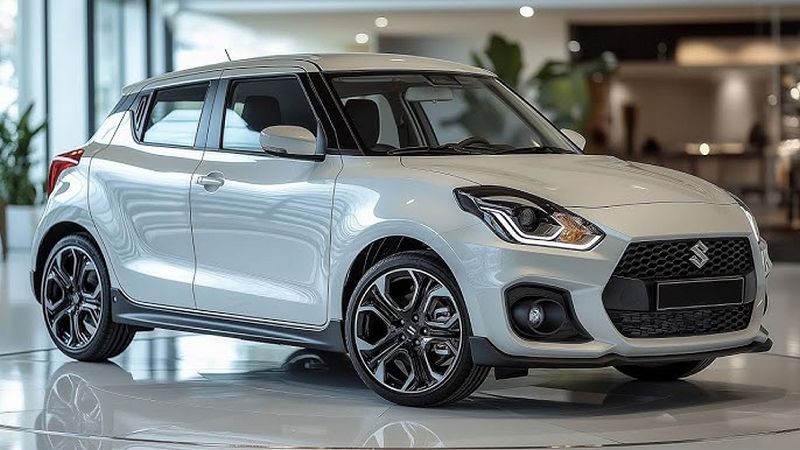
The Suzuki Swift Hybrid is a fuel-efficient lightweight hatchback that performs well in everyday driving. While it does not reach full-hybrid levels of efficiency, it still delivers solid real-world MPG thanks to its low weight and simple hybrid assistance.
For budget buyers upgrading from an older petrol car, the Swift Hybrid can noticeably reduce fuel spending without a big jump in purchase price.
Mild Hybrid Technology
The Swift uses a mild hybrid system, not a full hybrid. This means a small electric motor supports the petrol engine during acceleration and helps reduce fuel use, but the car cannot drive on electric power alone.
The benefit is simplicity. There’s no charging, no complex battery systems, and fewer expensive components. This keeps maintenance easier and ownership costs more predictable.
Strengths and Weaknesses
Strengths:
- Light and agile, easy to drive
- Better fuel economy than standard petrol versions
- Lower purchase price than full hybrids
- Simple technology with fewer long-term risks
Weaknesses:
- Less fuel efficient than full hybrid rivals
- Limited electric assistance in heavy traffic
- Interior feels basic compared to newer hybrids
For buyers focused purely on fuel savings, full hybrids may perform better. But the Swift Hybrid balances efficiency and affordability well.
Best Use Cases
The Suzuki Swift Hybrid is ideal for drivers who:
- Want better fuel economy without paying hybrid premiums
- Drive mixed city and suburban routes
- Prefer simple, low-maintenance cars
- Are buying on a tight budget
4. Toyota Corolla Hybrid
Fuel Economy Overview
The Toyota Corolla Hybrid is a fuel-efficient compact sedan that combines the reliability of the Corolla with hybrid technology. In 2026, it delivers impressive MPG both in the city and on the highway. For daily commuters and longer trips, it consistently uses less fuel than traditional petrol-only cars, making it an excellent choice for budget-conscious buyers.
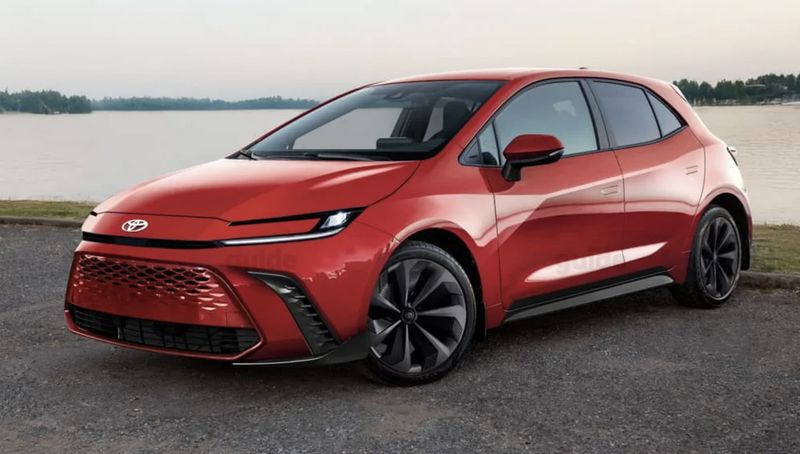
Comfort and Practicality
The Corolla Hybrid offers comfortable seating for four to five passengers and a practical trunk for everyday use. It strikes a good balance between fuel efficiency and usability, allowing drivers to save money without compromising space or comfort. The cabin is quiet, and the ride quality is smooth, making it suitable for longer drives as well as daily errands.
Reliability and Running Costs
Toyota’s reputation for reliability extends to the Corolla Hybrid. Maintenance costs are generally low, and hybrid components are proven to last for many years. Fuel savings add up quickly, especially for drivers covering higher mileage. Insurance is also reasonable for a compact sedan, keeping overall ownership costs manageable.
Ideal Buyer Profile
The Corolla Hybrid is perfect for buyers who:
- Need a reliable car for daily commuting or family use
- Want to save on fuel without sacrificing comfort or space
- Prefer a low-maintenance vehicle with predictable running costs
- Are looking for a long-term investment in fuel efficiency
5. Hyundai IONIQ Hybrid
Fuel Economy Overview
The Hyundai IONIQ Hybrid is one of the most fuel-efficient hybrid cars in 2026. It delivers excellent real-world MPG, particularly in city and suburban driving, making it ideal for budget-conscious commuters. On longer highway trips, it maintains strong efficiency without compromising comfort or performance.
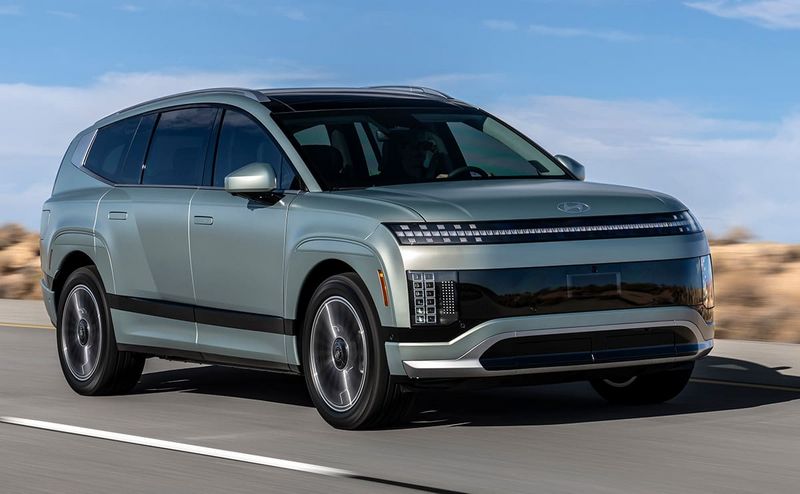
Technology and Efficiency Features
The IONIQ Hybrid uses an advanced petrol-electric hybrid system combined with energy recovery features that maximize fuel savings. Features like regenerative braking, an intelligent start-stop system, and aerodynamic design all contribute to its outstanding efficiency. Drivers benefit from a modern infotainment system and driver-assistance features while keeping running costs low.
Maintenance and Warranty
Hyundai offers comprehensive warranties on both the hybrid system and the vehicle itself. Regular maintenance is straightforward, and hybrid components are designed to last. Fuel savings combined with low upkeep costs make it a practical choice for those on a tight budget.
Pros and Cons
Pros:
- Excellent fuel economy in real-world driving
- Modern, efficient technology with low running costs
- Comfortable cabin and smooth ride
- Strong warranty coverage
Cons:
- Not the sportiest drive for those seeking performance
- Interior materials are practical but less premium than some rivals
- Slightly higher purchase price than smaller hybrids
6. Mazda 2 Hybrid
Fuel Economy Overview
The Mazda 2 Hybrid is a small, efficient hatchback that delivers excellent fuel economy for 2026. Its lightweight design and hybrid system make it particularly frugal in city driving, where stop-and-go traffic often inflates fuel costs in conventional petrol cars. Budget-conscious drivers will notice significant savings over time, especially on daily commutes and short trips.
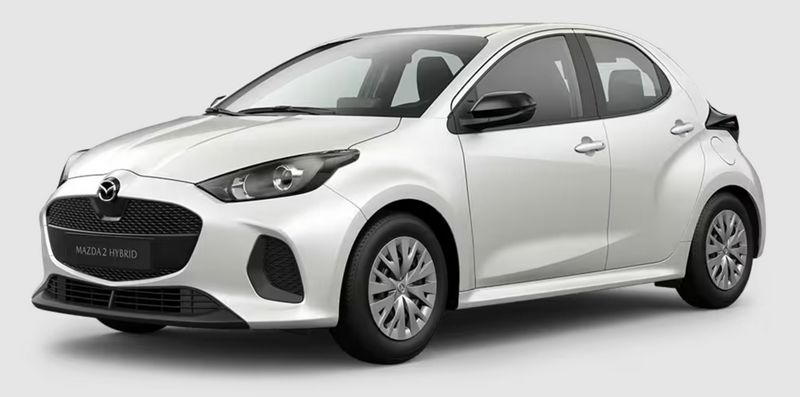
Compact Design Advantages
The Mazda 2 Hybrid’s compact size offers several benefits. It’s easy to park in tight city streets, maneuver through traffic, and store in small garages. Despite its size, the cabin is comfortable for four passengers, and the hatchback design provides a practical cargo area for groceries, luggage, or small furniture items.
Cost of Ownership
Owning a Mazda 2 Hybrid is affordable and predictable. Maintenance is simple, insurance tends to be lower due to the car’s small size, and the hybrid system helps reduce fuel expenses. Over the first few years, drivers can save hundreds, if not thousands, on operating costs compared to larger, less-efficient vehicles.
Who Should Buy It
The Mazda 2 Hybrid is ideal for:
- City dwellers or commuters with frequent short trips
- Buyers looking for an inexpensive, fuel-efficient car
- Individuals or small families needing a compact, practical vehicle
- Budget-conscious drivers who prioritize low running costs over performance
7. Honda Jazz Hybrid
Fuel Economy Overview
The Honda Jazz Hybrid is a highly fuel-efficient compact car in 2026. Its hybrid system delivers strong MPG in both city and highway driving. Thanks to its lightweight construction and efficient engine management, daily commutes and urban errands require less fuel than most petrol-only alternatives, making it ideal for budget-conscious drivers.
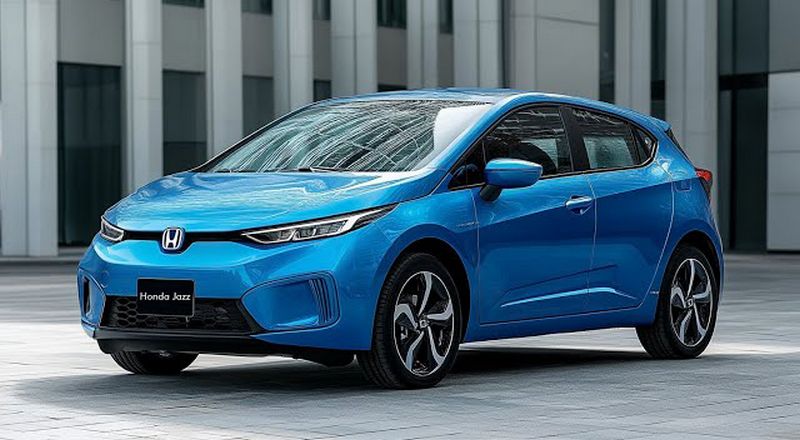
Interior Space and Practicality
Despite being a compact car, the Jazz Hybrid offers impressive interior space. Its flexible seating system allows the rear seats to fold flat, creating a surprisingly large cargo area for shopping, luggage, or recreational gear. For small families or individuals with varied storage needs, it combines fuel efficiency with practicality.
Reliability Reputation
Honda has a strong reputation for reliability, and the Jazz Hybrid is no exception. The hybrid components are durable, and routine maintenance is straightforward and affordable. Many owners report minimal issues over several years, which makes it a dependable option for buyers looking to minimize unexpected repair costs.
Daily Driving Experience
The Jazz Hybrid is easy to drive in traffic, with smooth acceleration and quiet operation in electric-assisted mode. Its compact size makes city parking and maneuvering stress-free, while the hybrid system ensures steady fuel savings without requiring any special driving habits. For budget-conscious commuters, the Jazz Hybrid offers a practical, efficient, and enjoyable daily driving experience.
8. Renault Clio E-Tech Hybrid
Fuel Economy Overview
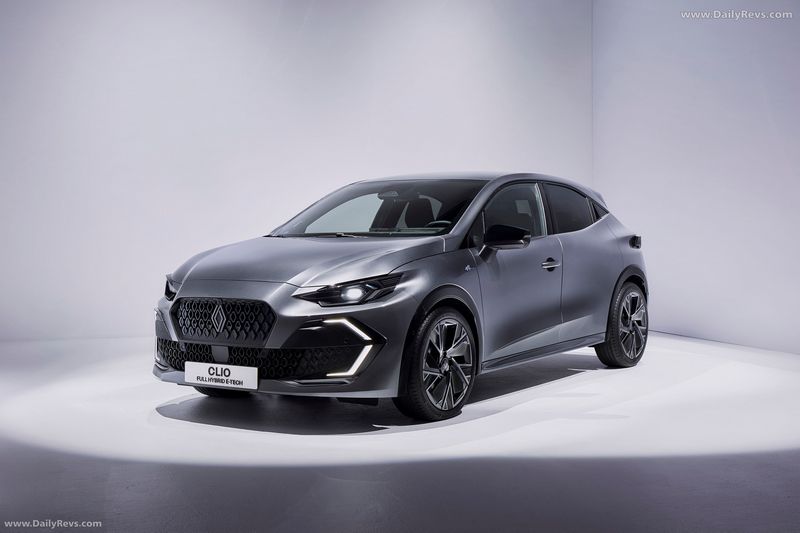
The Renault Clio E-Tech Hybrid is a fuel-efficient small hatchback that performs well in both city and suburban driving. In 2026, it offers excellent real-world MPG, particularly in stop-and-go traffic, making it a great choice for budget-conscious drivers who want to save on fuel without sacrificing practicality or comfort.
Hybrid Powertrain Explained
The Clio E-Tech uses a full hybrid system that combines a petrol engine with two electric motors and a battery pack. The car can drive short distances on electric power alone, while the petrol engine kicks in seamlessly for longer journeys or higher speeds. This combination reduces fuel consumption and provides smooth acceleration without requiring any charging from the driver.
Comfort and Technology
The Renault Clio E-Tech Hybrid offers a comfortable and modern cabin, with supportive seats, a touchscreen infotainment system, and driver-assistance features. Its small size makes it easy to navigate city streets, while the interior design ensures a practical and pleasant driving experience for daily commutes or weekend trips.
Ownership Considerations
Ownership costs are generally reasonable for the Clio E-Tech Hybrid. Fuel savings are significant thanks to its hybrid system, and maintenance is straightforward compared to larger, more complex hybrids. Insurance costs are also competitive for a small hatchback, making it a smart choice for budget-conscious buyers looking for an efficient, practical vehicle in 2026.
9. Toyota Yaris Cross Hybrid
Fuel Economy Overview
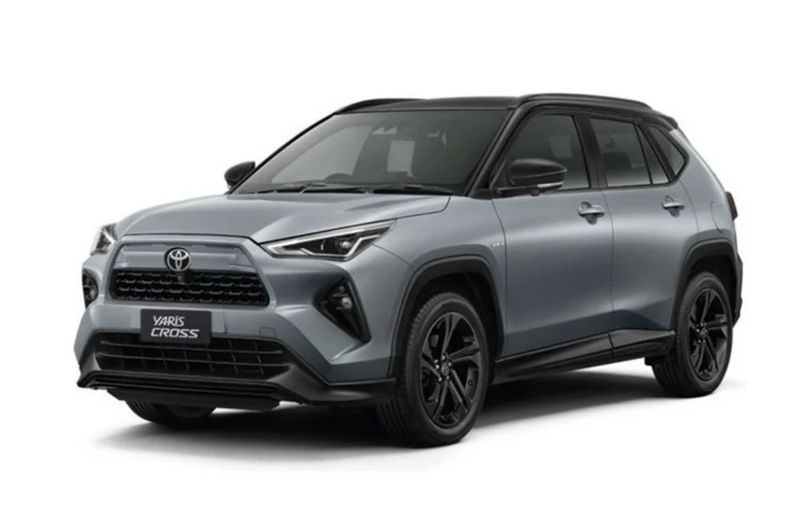
The Toyota Yaris Cross Hybrid is a compact SUV with excellent fuel efficiency for its class in 2026. Thanks to its hybrid system and lightweight design, it delivers impressive MPG both in city driving and on highways. For budget-conscious buyers, it combines SUV practicality with fuel savings typically seen in smaller cars.
Small SUV Efficiency
Unlike traditional SUVs, the Yaris Cross Hybrid is designed to be efficient without sacrificing utility. Its hybrid powertrain optimizes energy use, and features like regenerative braking help recover energy during stops. This makes it a smart choice for drivers who want the space and higher seating of an SUV without high fuel costs.
Practicality and Safety
The Yaris Cross Hybrid offers ample cargo space and flexible seating for small families or active lifestyles. Safety features include multiple airbags, lane-keeping assistance, and automatic emergency braking, giving peace of mind without extra costs. Its compact size makes parking and maneuvering in urban areas easy, while still providing SUV-style visibility.
Ideal Use Scenarios
This vehicle is perfect for buyers who:
- Need a small SUV for city commuting and occasional longer trips
- Want to combine fuel efficiency with cargo capacity
- Prioritize safety and modern driver-assistance features
- Prefer low running costs while enjoying SUV practicality
10. Hyundai Kona Hybrid
Fuel Economy Overview
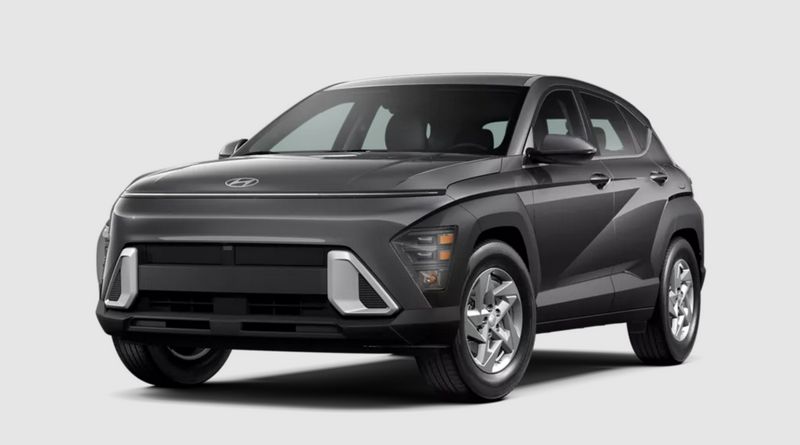
The Hyundai Kona Hybrid is a fuel-efficient compact crossover that delivers strong MPG in both city and highway driving. In 2026, it stands out for offering SUV practicality without the high fuel costs associated with larger crossovers. For budget-conscious buyers, this means lower weekly fuel expenses while still enjoying the versatility of an SUV.
Crossover Benefits
The Kona Hybrid combines the benefits of a small SUV with hybrid efficiency. Its higher driving position gives better visibility on the road, and it provides more cargo space than a standard hatchback. Despite its size, the hybrid system ensures it remains light on fuel, making it ideal for both urban and suburban driving.
Long-Term Costs
Owning a Kona Hybrid is generally affordable. Maintenance costs are reasonable, and the hybrid components are designed to be durable. Insurance for compact crossovers tends to be lower than for full-size SUVs, while fuel savings add up over the years. This makes it a smart long-term choice for budget-minded buyers.
Pros and Cons for Budget Buyers
Pros:
- Excellent fuel efficiency for a crossover
- Practical interior space and cargo capacity
- Comfortable driving position and visibility
- Affordable maintenance and insurance
Cons:
- Slightly higher initial purchase price than subcompact hybrids
- Not as sporty or agile as smaller hatchbacks
- Hybrid benefits are maximized mainly in city driving
Are Diesel Cars Still Fuel Efficient in 2026?
Diesel cars have long been known for their fuel efficiency on highways, but in 2026, the landscape is shifting. New hybrid and electric technologies are challenging diesel’s traditional advantage. Understanding how diesel compares today is essential for budget-conscious buyers deciding between fuel types.
Diesel Fuel Economy Explained
Diesel engines are more efficient than petrol engines because they extract more energy from each gallon of fuel. This makes them excellent for long-distance driving, especially on highways where fuel consumption is steady. Diesel engines also tend to have higher torque, which helps with towing and carrying heavy loads without sacrificing efficiency.
However, diesel fuel is often more expensive than petrol, and maintenance can be pricier due to stricter emission controls and the complexity of modern diesel engines. For urban or short-distance driving, diesel may actually use more fuel than hybrids due to frequent stopping and idling.
Diesel vs Hybrid for Long-Distance Driving
For long highway trips, diesel cars still hold an advantage over standard petrol cars in fuel efficiency. But hybrids and plug-in hybrids are catching up, especially in 2026 models with improved battery range and energy recovery systems. Hybrids offer lower emissions, fewer maintenance challenges, and strong fuel savings even over mixed driving conditions, sometimes outperforming diesel in total cost of ownership.
For example, a budget buyer who drives 50–60 miles daily might find a hybrid saves more overall, considering fuel, taxes, and maintenance.
Is Diesel Worth It for Budget Buyers?
Diesel may still be a good option for those who:
- Drive long distances regularly
- Need a vehicle for towing or carrying heavy loads
- Prioritize highway fuel efficiency
How to Be More Fuel Efficient With Any Car
Even the most fuel-efficient car can burn more fuel than necessary if driven or maintained poorly. In 2026, simple habits and smart maintenance choices can help budget-conscious drivers get the most miles per gallon, whether they own a petrol, diesel, or hybrid vehicle.
Drive Smoothly and Avoid Aggressive Acceleration
Rapid acceleration and sudden braking waste fuel. Driving smoothly, maintaining a steady speed, and anticipating stops can improve fuel economy by 10–20%. Using cruise control on highways helps keep speed constant, reducing unnecessary fuel use. For city commuters, gentle starts and gradual stopping make a noticeable difference in monthly fuel costs.
Reduce Excess Weight
Extra weight increases fuel consumption because the engine must work harder to move the car. Remove unnecessary items like roof racks, heavy tools, or sports equipment when not in use. Even small reductions in weight can improve MPG, especially in smaller cars or hybrids designed for lightness and efficiency.
Maintain Proper Tire Pressure
Underinflated tires increase rolling resistance, making the engine work harder and use more fuel. Check tire pressure regularly and keep it at the manufacturer’s recommended level. Properly inflated tires not only save fuel but also improve safety and tire lifespan, adding value to a budget-conscious driver’s investment.
Use Air Conditioning Wisely
Air conditioning can significantly reduce fuel efficiency, especially in city driving. Use AC sparingly and consider using the car’s ventilation system or opening windows at lower speeds. On highways, closed windows and moderate AC use often consume less fuel than driving with windows down due to aerodynamic drag. Smart AC management can contribute to noticeable savings over time.
What Changes Can You Make to Save Fuel Consumption?
Saving fuel isn’t only about choosing a fuel-efficient car. Small changes in driving habits, route planning, and maintenance can significantly reduce fuel costs, which is especially important for budget-conscious drivers in 2026.
Improve Driving Habits
Your driving style directly affects fuel consumption. Smooth acceleration, gradual braking, and maintaining a steady speed can improve MPG by 10–20%. Avoiding unnecessary idling and aggressive maneuvers keeps the engine working efficiently. Even simple habits like coasting to stoplights instead of braking hard can help you save fuel over time.
Plan Routes and Avoid Traffic
Frequent stop-and-go traffic wastes fuel. Planning your routes ahead of time to avoid congestion, roadworks, or rush-hour traffic reduces unnecessary idling and accelerations. Using GPS apps or traffic alerts can help you choose the shortest or fastest route, saving both time and fuel. Combining errands into one trip is another effective way to cut fuel consumption.
Regular Vehicle Maintenance
A well-maintained car runs more efficiently. Regular oil changes, clean air filters, and timely spark plug replacements keep the engine in good condition. Ensuring tires are properly inflated and aligned also improves fuel economy. Neglecting maintenance can reduce MPG and lead to costly repairs, so staying on top of basic upkeep is a simple, effective way to maximize fuel efficiency and minimize overall costs.
Most Fuel Efficient Cars vs Electric Vehicles
In 2026, buyers have more options than ever when it comes to reducing fuel costs. While hybrid and petrol-efficient cars remain popular, electric vehicles (EVs) are gaining ground. Comparing fuel-efficient cars and EVs helps budget-conscious buyers understand the trade-offs in costs, convenience, and savings.
Fuel Savings Comparison
Electric vehicles run entirely on electricity, which is often cheaper than petrol or diesel, especially for city driving and short trips. Fuel-efficient hybrid and petrol cars still provide significant savings over standard petrol vehicles, but EVs can offer near-zero fuel expenses if charged at home during off-peak hours. However, hybrids are advantageous for buyers who frequently take long trips or live where EV charging infrastructure is limited.
Purchase Price Differences
Fuel-efficient cars, like small hybrids or compact petrol models, generally have lower upfront costs compared to electric vehicles. EVs can cost significantly more initially, though government incentives or tax credits may offset some of the difference. For budget-conscious buyers, the lower purchase price of fuel-efficient cars may outweigh the higher long-term fuel savings of an EV, especially if the car is intended for everyday commuting rather than long-distance use.
Charging vs Fuel Costs
Charging an EV is usually cheaper than filling up a petrol or diesel car, particularly if using home electricity or public charging networks with low rates. However, charging times and access to chargers can be inconvenient for some drivers. Fuel-efficient petrol or hybrid cars require standard refueling but are compatible with existing gas stations, offering convenience at the expense of slightly higher ongoing fuel costs. Buyers should weigh daily driving habits, access to chargers, and fuel price fluctuations when deciding between the two options.
Which Is the Most Economical Car to Buy in 2026?
Choosing the most economical car in 2026 depends on your driving style, typical routes, and budget. Fuel efficiency, maintenance costs, and long-term reliability all play a role. Here’s a breakdown of the best options for city, highway, and all-around efficiency.
Best Choice for City Driving
For urban commuters, small hybrids like the Toyota Yaris Hybrid or Suzuki Swift Hybrid are ideal. These cars excel in stop-and-go traffic, where electric assistance reduces fuel consumption significantly. Their compact size also makes parking and maneuvering through congested streets easy. Budget-conscious drivers save both on fuel and on insurance due to the low-risk, small-car category.
Best Choice for Highway Driving
For longer trips and frequent highway use, diesel cars or larger hybrids like the Toyota Corolla Hybrid are often the most economical. Diesel engines maintain low fuel consumption at steady high speeds, while full hybrids deliver strong MPG on highways without the emissions or fuel cost spikes of traditional petrol engines. These options reduce long-distance fuel costs and offer reliable performance for extended drives.
Best All-Around Fuel Efficient Car
The Hyundai IONIQ Hybrid or Toyota Prius remains a top pick for all-around efficiency. They perform well in both city and highway conditions, offer low maintenance costs, and have proven reliability. For budget-conscious buyers looking for a car that balances fuel savings, comfort, and usability across various driving scenarios, these hybrids provide the best combination of economy, practicality, and long-term value in 2026.
Final Thoughts: Choosing the Right Fuel Efficient Car
Selecting a fuel-efficient car in 2026 isn’t just about the numbers on a sticker—it’s about matching the car to your lifestyle, budget, and driving needs. Understanding your priorities and knowing where to find good deals can make a significant difference in overall savings.
Matching Fuel Economy to Your Driving Needs
Before buying, consider how and where you drive most. City drivers benefit from small hybrids that excel in stop-and-go traffic, while highway commuters may save more with full hybrids or diesel options. Matching the car’s fuel efficiency to your daily patterns ensures you maximize MPG and minimize fuel costs over time.
How Buying Through Auctions Can Lower Costs
Online and physical car auctions are a smart way to save on purchase price, especially for fuel-efficient models. Cars sold at auctions often cost less than at dealerships, allowing budget-conscious buyers to access hybrids, compact cars, or even small SUVs at lower prices. With proper research, inspection, and bidding strategy, auctions can reduce the total cost of ownership significantly.
Smart Tips for Budget-Conscious Buyers
To get the most value from a fuel-efficient car:
- Research market prices to avoid overpaying
- Inspect vehicles thoroughly, even at auction
- Factor in fuel, insurance, and maintenance costs
- Consider slightly older models for better value
Are you interested in buying a vehicle from US auctions?
With this being said – you can still export vehicles and save up a few thousand dollars with Auto4Export. We have an inventory of over 150k plus vehicles with titles you can export for you to choose from. Once you have placed your bid and won the auction a Bill of Sale document is then emailed to you as proof of purchase – after full payments have been made.
To gain access and get started on your purchase, sign up for free.
Further Reading
Cheapest Electric Cars for 2025 You Can Get for Under $40,000
4 Gas & Electric Cars That Deliver Top Fuel Efficiency
Best Hybrid SUVs for 2025 and 2026

Do You Have Any Questions?
 Ask Question