


 Log in
 Sign Up





Looking to buy cars at wholesale prices and save big? Getting an auction license is your ticket to dealer-only auctions, exclusive inventory, and better deals. This guide explains step by step how to get your license, meet state requirements, and start bidding smartly—perfect for budget-conscious buyers who want to maximize savings and grow their business or resale opportunities.
What Is a Car Auction License?
Buying cars at auctions can be one of the smartest ways to save money, but not all auctions are open to the general public. Understanding what a car auction license is—and why it matters—can help budget-conscious buyers access better deals while staying compliant with the rules.
Definition and Purpose of an Auction License
A car auction license is an official permit that allows individuals or businesses to buy vehicles at dealer-only auctions. These licenses are typically issued by state authorities and are designed to regulate the sale of vehicles to licensed dealers, ensuring that transactions are legal, documented, and follow industry standards.
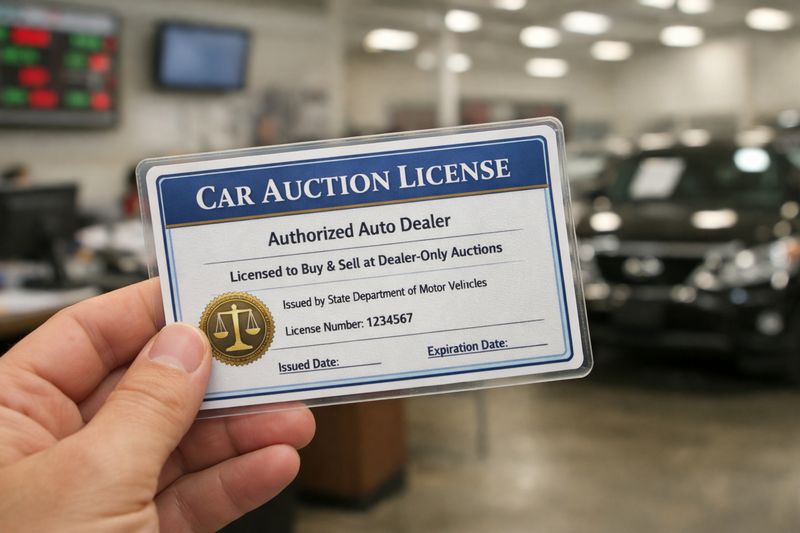
For example, if you want to bid on vehicles at a wholesale auction like Copart or IAAI, having a license proves that you are a legitimate buyer operating a business, not just an individual looking for a bargain.
Why a License Is Required for Dealer-Only Auctions
Dealer-only auctions are restricted to licensed buyers to prevent unqualified individuals from purchasing vehicles that may need professional handling, resale expertise, or regulatory compliance. These auctions often feature higher volumes, lower prices, and salvage or repossessed cars that require experience to manage.
Without a license, you simply cannot register to bid at these auctions. This ensures that buyers are serious, responsible, and capable of handling the vehicles safely and legally.
Difference Between Dealer-Only and Public Auctions
The main difference lies in access and pricing:
- Dealer-only auctions: Reserved for licensed buyers. Vehicles are often sold below market value, including wholesale lots, repossessed cars, or salvage vehicles. Access requires a license, business registration, and sometimes proof of insurance.
- Public auctions: Open to everyone. Anyone can attend and bid, but prices are usually higher, and inventory is limited. Public auctions are great for first-time buyers or those on a tight budget, but the selection may be smaller or less desirable.
Buy from Dealer-Only Auctions Without Getting a License
Many of the best vehicle deals are available only at dealer-only auctions like Copart and IAAI. With Auto4Export, you can access these auctions without obtaining your own dealer license while still buying vehicles at wholesale prices.
- ✅ Access to major US dealer-only auctions
- ✅ Buy cars, trucks, SUVs, motorcycles, and equipment
- ✅ Transparent pricing before you place a bid
- ✅ Support from purchase to international delivery
Benefits of Having a Car Auction License
Holding an auction license gives buyers advantages that can directly save money and expand opportunities.
Access to Wholesale Vehicle Inventory
Licensed buyers gain entry to wholesale inventories that are not available to the public. This means you can bid on cars before they hit the retail market or online listings, often finding hidden gems at lower prices.
For example, a small auto dealer or entrepreneur could access multiple lightly used fleet vehicles at a fraction of the market value, which would not be possible without a license.
Lower Prices and Better Deals
Dealer-only auctions typically offer better pricing because vehicles are sold in bulk or as-is, with less competition from casual buyers. This allows budget-conscious buyers to maximize savings on each purchase.
For instance, a licensed buyer might secure a $10,000 vehicle for $7,500, whereas the same car at a public auction could cost $9,500.
Early Access to Auction Lots
Having a license often allows you to preview or bid early on auction lots, giving you the advantage of selecting the best vehicles before others. Early access can be crucial when bidding on high-demand models or rare finds.
Auctions You Can Attend Without a License
Not having a license doesn’t mean you can’t buy cars at auctions. Some auctions are open to the public and other alternative sales options exist.
Public Car Auctions
Public car auctions allow anyone to attend and bid, making them a good starting point for new buyers. Although prices may be higher than dealer-only auctions, public auctions are accessible, legal, and require no special licensing.
Other Public Vehicle Sales Options
In addition to traditional public auctions, you can also explore:
- Government surplus auctions – vehicles from municipal or federal fleets.
- Bank repossessions – often listed online for public bidding.
- Local dealer sales events – some dealers hold open auctions for end-of-line or trade-in vehicles.
These options let budget-conscious buyers purchase vehicles legally without needing an auction license, though the deals may not be as deep as at dealer-only auctions.
Types of Car Auction Licenses
When it comes to buying cars at auctions, not all licenses are the same. Different types of auction licenses exist to suit various business models, from traditional car dealerships to independent auto brokers. Understanding the differences helps budget-conscious buyers choose the right license for their needs and avoid unnecessary costs or restrictions.
Dealer License
A dealer license is the most common type of car auction license. It allows businesses or individuals to buy, sell, and trade vehicles legally at dealer-only auctions.
Holders of a dealer license can purchase multiple vehicles for resale, giving them access to wholesale pricing and a wide range of inventory. This license typically requires proof of a registered business, liability insurance, and sometimes a physical lot for storing vehicles.
For example, a small startup looking to buy used cars for resale can use a dealer license to access auctions like Manheim or ADESA, where prices are lower than public listings.
Independent Auto Broker License
An independent auto broker license is designed for individuals or businesses that act as middlemen, helping clients purchase vehicles from auctions. Brokers may buy cars on behalf of others without holding a traditional dealership.
This type of license is useful for budget-focused buyers who want to work with a licensed professional to access dealer-only auctions without the full responsibilities of a dealership. Independent brokers typically charge a service fee, but they can provide valuable expertise and access.
Wholesale-Only Auction License
A wholesale-only auction license grants access to auctions that sell vehicles strictly for wholesale purposes. This license is usually more limited than a full dealer license and may restrict the number of vehicles you can buy or sell.
It’s often ideal for small businesses or individual buyers who only need occasional access to dealer-only auctions, such as purchasing a few fleet vehicles or repossessed cars for personal business use.
State-Specific Variations
Each U.S. state has its own rules for issuing auction licenses, and requirements can vary widely. Some states combine dealer and broker licenses, while others separate them completely. Application fees, bond requirements, and eligibility criteria also differ.
For instance, in Florida, applicants may need a physical lot and a surety bond, while in Texas, a home-based business may qualify for a limited license with fewer requirements. Understanding your state’s specific rules is essential to avoid delays or unexpected costs.
Who Can Get an Auction License?
Not everyone can walk into a dealer-only auction. To get an auction license, you must meet certain eligibility requirements that ensure you are a legitimate buyer capable of handling vehicles responsibly. Knowing these rules helps budget-conscious buyers avoid wasting time and money on applications they might not qualify for.
Eligibility Requirements for Dealers
To obtain an auction license as a dealer, you generally need to show that you are running a legitimate business that buys and sells vehicles. This usually includes:
- A registered business entity (LLC, corporation, or sole proprietorship)
- Proof of a physical location for your business or vehicle storage, if required by your state
- A business plan or evidence that your operations involve vehicle sales
For example, a small used car dealer can apply for a dealer license to buy several vehicles at wholesale auctions each month, gaining access to lower prices than what the public sees online.
Requirements for Business Owners
Business owners seeking an auction license must prove that the business is operational and compliant with local laws. Typical requirements include:
- Business registration documents (articles of incorporation, business license, or DBA)
- Tax identification number (TIN or EIN)
- Proof of liability insurance covering vehicles purchased or stored
These requirements show auction organizers that the license will be used for legitimate commercial purposes, not personal purchases alone.
Age, Residency, and Legal Considerations
Most states require applicants to meet basic personal eligibility criteria:
- Minimum age, often 18 or 21 years old
- Residency in the state where the license is applied for
- Clean legal record, with no recent felonies or major financial violations
For instance, someone with a prior conviction related to fraud or vehicle theft may be denied a license. Similarly, non-residents may need to provide additional documentation or partner with a local entity to qualify.
Special Cases: Partnerships and LLCs
Partnerships, LLCs, and corporations have slightly different rules. Each member or officer may need to submit personal identification, proof of residency, and background checks. The license will usually be issued under the business entity’s name, not an individual’s.
For example, two friends forming an LLC to start a small resale business would both need to be listed on the application, and the business must meet all state requirements, including a registered office and any bonding or insurance obligations.
Car Auction License Requirements
Getting a car auction license requires more than just filling out an application. States impose several requirements to ensure that only legitimate businesses and qualified individuals can participate in dealer-only auctions. Understanding these requirements helps budget-conscious buyers prepare properly and avoid costly mistakes.
Business Registration Requirements
One of the first steps is proving that your business is legally registered. This may include:
- Filing articles of incorporation for a corporation or LLC
- Registering a sole proprietorship or DBA (“Doing Business As”) name
- Obtaining a federal tax identification number (EIN)
For example, a small entrepreneur starting a car resale business must register their LLC and provide the certificate of formation when applying for an auction license. This proves the business exists legally and is eligible to conduct vehicle transactions.
Proof of Liability Insurance
Most states require applicants to carry liability insurance to protect against accidents, damages, or claims that could arise while handling vehicles. The insurance amount may vary by state, and some auctions may require additional coverage limits for dealer participants.
For instance, a licensed dealer buying cars at wholesale auctions must show proof of insurance before gaining access to lots, ensuring that both the buyer and the auction house are protected.
Sales Tax or Resale Permit
To legally buy and resell vehicles, you usually need a sales tax permit or resale certificate from your state. This allows you to purchase cars at auctions without paying sales tax upfront, passing the tax responsibility to the final buyer when the vehicle is sold.
For example, a budget-conscious buyer who plans to resell cars must obtain a resale permit to take advantage of tax exemptions and avoid overpaying on each auction purchase.
Surety Bond or Deposit Requirements
Some states require a surety bond or deposit as a financial guarantee. The bond protects the state and customers against fraud, unpaid taxes, or other financial obligations.
For instance, a $10,000 bond may be required for new applicants. While it can seem like an upfront expense, it is usually refundable upon renewal or license closure if all obligations are met.
Physical Lot or Office Requirements (if applicable)
Certain states or auctions may mandate that your business has a physical office or vehicle storage lot. This ensures that vehicles have a registered address and that the business has an operational base.
For example, a small car dealership may need to rent a storage lot to meet state requirements, even if they plan to buy auction vehicles online. Some states, however, allow home-based businesses for limited licenses.
Background Checks and Credit Verification
Finally, applicants often undergo background checks and credit verification. Authorities want to confirm that buyers are responsible, have no recent criminal violations related to fraud or theft, and maintain good financial standing.
For example, a first-time buyer applying for an auction license will typically provide personal identification, consent to a background check, and allow verification of credit or financial history to prove they can safely operate a car-buying business.
Step-by-Step Application Process
Getting a car auction license can feel complicated at first, but breaking it into clear steps makes the process manageable. For budget-conscious buyers, following a structured approach helps avoid mistakes, unnecessary fees, and delays, ensuring you can start bidding at auctions as soon as possible.
Name Your Business
The first step is choosing a business name that will appear on your auction license. Make it unique, professional, and compliant with state naming rules.
For example, a small auto resale business might choose “FastTrack Auto Sales LLC” instead of a generic name like “Auto Sales,” which could already be taken. Your business name will appear on all legal documents, so it’s important to register it correctly.
Register Your Business Entity
Next, officially register your business entity with your state. This could be an LLC, corporation, partnership, or sole proprietorship, depending on your business structure.
For instance, a budget-conscious entrepreneur might form an LLC to limit personal liability while maintaining flexibility. Registration usually requires filing formation documents, paying a small fee, and obtaining a federal EIN for tax purposes.
Gather Required Documents
Before applying, gather all necessary documentation to prove eligibility. This typically includes:
- Business registration papers
- Proof of liability insurance
- Resale certificate or sales tax permit
- Bond or deposit confirmation
- Identification documents for owners or partners
Having everything ready reduces delays and makes your application smoother.
Apply for Your Dealer or Auction License
Submit your completed application to the relevant state authority. Many states allow online submissions, but some may require in-person filing. Follow instructions carefully to avoid errors.
For example, including your EIN, insurance proof, and bond certificate together ensures your application meets state standards the first time.
Pay the Application and Licensing Fees
Most states charge an application fee and a license issuance fee. Fees vary widely depending on the state and license type. Paying these promptly is essential for processing.
For instance, a new dealer license might cost $150–$500, plus a bond or deposit. Budget-conscious buyers should include these costs in their planning to avoid surprises.
Receive and Display Your License
Once approved, you’ll receive your auction license, which must be displayed according to state regulations. Some states require it at your business location, while others may require it to be shown at auctions.
For example, a licensed buyer attending Copart or IAAI may need to present their license at registration before bidding on vehicles.
Additional Requirements for Specific States
Some states have unique rules beyond the standard application, such as:
- Mandatory pre-licensing courses or workshops
- Proof of a physical lot for vehicle storage
- Extra bonding requirements or higher insurance limits
It’s essential to check your state’s DMV or auction licensing website for specific requirements to avoid delays or rejection.
Cost of a Car Auction License
Obtaining a car auction license involves several costs that budget-conscious buyers should plan for in advance. Understanding all the fees—including application, insurance, bonds, and optional training—helps you avoid surprises and manage your budget effectively.
Application Fee Breakdown
The application fee is the initial cost to submit your license request to your state. Fees vary depending on the state and type of license.
- Most states charge between $100–$500 for a new dealer or broker license.
- Some states include background check or fingerprint fees in the application cost.
- Additional charges may apply for processing or expedited service.
For example, in Florida, a first-time dealer license application may cost around $300, plus $50 for fingerprinting and background checks.
Annual Renewal Fees
Car auction licenses are not permanent and require annual renewal to remain valid. Renewal fees are typically lower than the initial application but must be budgeted for every year.
- Renewal fees range from $50–$200, depending on your state.
- Missing a renewal deadline can result in penalties or temporary suspension of your license.
For instance, a Texas dealer might pay $75 annually to keep their license active and legally bid at auctions.
Bond or Insurance Costs
Most states require a surety bond or liability insurance to protect against financial or legal risks.
- Bonds usually range from $5,000–$25,000 depending on state regulations.
- Liability insurance may cost anywhere from $500–$1,500 per year, based on coverage limits and business size.
For example, a small reseller in California may need a $10,000 bond and $1,000 liability insurance, which can be bundled into the overall startup costs.
Optional Training or Certification Costs
Some states or auction houses offer training programs or certifications to help new licensees understand auction procedures, bidding strategies, and compliance rules.
- These programs may cost $100–$300 but can be valuable for first-time buyers unfamiliar with auctions.
- Training may also help avoid costly mistakes when bidding or reselling vehicles.
For example, a budget-conscious buyer might attend a $150 workshop at a local dealer school to learn auction grading, vehicle inspections, and bidding tactics.
Examples of Typical Total Expenses
When planning your budget, consider all associated costs together:
- Application fee: $200
- Bond: $10,000 (may require an annual premium of ~$300–$500)
- Liability insurance: $1,000 per year
- Renewal fees: $100 per year
- Optional training: $150
In total, a new buyer could expect to spend $1,700–$2,000 upfront, with ongoing annual costs for insurance, bond premiums, and renewal fees.
How to Maintain and Renew Your Auction License
Obtaining a car auction license is just the first step. Keeping it active and in good standing requires careful attention to expiration dates, renewal procedures, and ongoing compliance. Budget-conscious buyers who plan ahead can avoid costly lapses or penalties and continue accessing dealer-only auctions without interruptions.
License Expiration Dates
Every auction license comes with a specific expiration date, usually one year from issuance. Knowing this date is crucial because most states do not provide automatic reminders.
For example, if your license was issued on March 15, 2026, it might expire on March 14, 2027. Planning ahead ensures you have enough time to complete renewal requirements without missing deadlines.
Renewal Procedures
Renewing your auction license typically involves a few key steps:
- Submit a renewal application before the expiration date
- Pay the required renewal fee, which is usually lower than the initial application fee
- Update any documents that may have changed, such as insurance policies, business registration, or bonds
Some states allow online renewals, while others may require in-person submissions. For instance, a dealer in Texas can renew online with updated insurance proof and a $75 fee, while a California dealer might need to visit the DMV to submit updated bond information.
Continuing Compliance Requirements
Maintaining your license also means staying compliant with state and auction regulations throughout the year. Common requirements include:
- Keeping liability insurance active and up to date
- Maintaining a valid surety bond if required
- Reporting any business address or ownership changes to the state
- Ensuring all sales, taxes, and documentation remain current
Failing to meet these requirements can lead to warnings, fines, or license suspension, which can delay or prevent auction access.
Penalties for Lapsed or Violated Licenses
Letting your license lapse or violating state rules can be costly. Penalties may include:
- Late fees for missed renewals
- Temporary suspension of auction privileges until the license is reinstated
- Revocation of the license for serious violations
- Fines for noncompliance with insurance, bond, or business registration requirements
For example, a budget-conscious buyer who forgets to renew a license may have to pay a late fee and skip an upcoming auction, potentially losing a valuable deal on a wholesale vehicle.
Public vs. Dealer-Only Auctions
When buying cars at auctions, understanding the difference between public and dealer-only events is key. Each type has its pros and cons, affects pricing and inventory access, and requires different strategies. For budget-conscious buyers, knowing your options can help you maximize savings without overspending.
Public Auctions: Pros and Cons
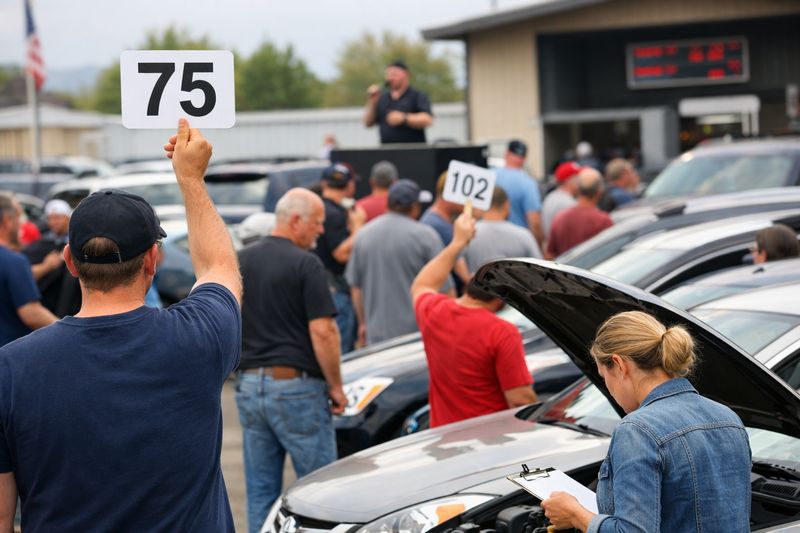
Public auctions are open to everyone, so you don’t need a license to participate.
Pros:
- Open access for first-time buyers and individuals
- No need for dealer license, bond, or business registration
- Simple registration and bidding process
Cons:
- Higher competition from casual buyers, which can drive up prices
- Limited inventory compared to dealer-only auctions
- Often fewer salvage, fleet, or repossessed vehicles available
For example, a buyer looking for a single affordable sedan for personal or small business use may find public auctions convenient, but they may pay closer to retail value than wholesale prices.
Dealer-Only Auctions: Pros and Cons
Dealer-only auctions require a license to participate and are generally aimed at professional buyers.
Pros:
- Access to wholesale pricing and exclusive inventory
- Early access to new lots before they reach the public market
- Opportunity to buy repossessed, fleet, or salvage vehicles at lower prices
Cons:
- Requires a dealer license, insurance, and possibly a physical lot
- Initial costs and paperwork can be significant
- Some auctions may limit the number of vehicles per buyer
For example, a licensed buyer can purchase a $12,000 fleet vehicle for $8,500, which would not be possible at a public auction.
How Access Impacts Price and Inventory
Access determines both the price you pay and the selection available. Dealer-only auctions typically offer lower prices and more variety, including hard-to-find models, salvage vehicles, and bulk lots. Public auctions are easier to enter but usually have higher prices and limited stock.
For a budget-focused buyer, gaining access to dealer-only auctions—even occasionally—can result in significant savings per vehicle.
Strategies for Budget Buyers Without a License
If you don’t have a dealer license, there are ways to still take advantage of auctions:
- Attend public auctions regularly to spot deals
- Target government or bank repossessed vehicles
- Focus on auctions that allow online bidding with lower starting prices
Even without a license, strategic timing and careful research can help you get bargains.
Using a Licensed Broker to Access Dealer-Only Auctions
Another option is working with a licensed auto broker. Brokers can bid on your behalf at dealer-only auctions for a fee, giving you access to wholesale inventory without the cost and paperwork of a license.
For example, a budget-conscious entrepreneur might pay a $200 broker fee to secure a $7,500 vehicle at auction, saving $1,500 compared to the public auction price.
Potential Challenges in Getting a Dealer License
Getting a dealer license opens the door to wholesale auctions and better vehicle deals, but the process isn’t always smooth. Many budget-conscious buyers face challenges that can delay approval or increase costs. Knowing common roadblocks and how to overcome them helps you prepare and save both time and money.
Common Roadblocks in the Application Process
The application process can be tricky for first-time buyers. Common roadblocks include:
- Incomplete or incorrect documentation, such as missing business registration papers or insurance proof
- Incorrectly completed forms or overlooked signatures
- Failure to meet state-specific requirements, like a physical lot or pre-licensing course
For example, a small entrepreneur might delay their application by weeks because they forgot to include a copy of their resale permit.
State-Specific Licensing Restrictions
Each state has unique rules that can complicate the process. Some states require a physical lot, others mandate specific insurance coverage or pre-licensing education.
For instance, California requires a minimum square footage for a business lot, while Texas allows home-based applications for limited licenses. Being unaware of these rules can lead to rejections or additional costs.
Bond and Insurance Requirements That Can Be Costly
Many states require a surety bond and liability insurance. While necessary, these costs can be significant for budget-conscious buyers.
- Bonds may range from $5,000 to $25,000, often requiring an annual premium of 1–5%
- Liability insurance can cost $500–$1,500 annually, depending on coverage limits
For example, a first-time buyer might spend $1,200 in bond and insurance premiums before even placing a single bid.
Preparing for Background Checks
Most states require background checks to ensure applicants have no recent felony convictions, financial fraud, or vehicle-related crimes.
- Criminal history may delay or prevent approval
- Credit checks ensure financial responsibility and reliability
For example, someone with unpaid business taxes or past fraud convictions may need to resolve these issues before their application is accepted.
How to Overcome Challenges on a Budget
Even with these obstacles, budget-conscious buyers can still succeed:
- Double-check your documentation to avoid delays
- Shop around for insurance providers to find the most affordable coverage that meets state requirements
- Consider using a licensed broker for guidance on state-specific rules
- Plan for bond costs by budgeting early or seeking smaller bonds if allowed
- Complete any required training to avoid last-minute rejections
Skip the License Process and Buy Cars Through a Licensed Broker
Getting a dealer license can take time, paperwork, insurance, and bonding requirements. Auto4Export allows buyers to access wholesale auction inventory immediately without handling the licensing process themselves.
- ✅ Access to 200,000+ auction vehicles
- ✅ No dealer license required
- ✅ Help with bidding, paperwork, and transport
- ✅ Export and shipping from all major US ports
Preparing to Buy Cars at Auction
Buying cars at auction can be a smart way to save money, but success requires preparation. Budget-conscious buyers need to research auction options, understand listings, inspect vehicles, and plan their finances and strategy carefully. Doing so increases the chance of finding great deals without overspending.
Researching Auction Houses and Schedules
Start by identifying auction houses that match your buying goals. Popular U.S. options include Copart, IAAI, and Manheim. Check each auction’s schedule, fees, and registration requirements.
- Some auctions run weekly; others may be monthly or online-only
- Note any deadlines for vehicle registration and bidding
- Compare auctions based on inventory types, like salvage, repossessed, or fleet vehicles
For example, a buyer focused on budget-friendly sedans might track Copart online sales and schedule bids around lot release dates for the best deals.
Understanding Vehicle Listings and Grades
Each auction vehicle comes with a listing detailing its condition, history, and grade. Learning how to read these is essential.
- Vehicle grades indicate damage severity and repair needs
- Look for clear titles, mileage, and accident history
- Understand abbreviations like “REPO” (repossession) or “SALV” (salvage)
For instance, a “Grade 3, minor body damage” sedan may only need cosmetic repairs, offering a great value for a budget buyer willing to do minor fixes.
Setting a Realistic Budget for Auction Purchases
Determine a maximum bid before attending the auction to avoid overspending. Include not just the purchase price but also:
- Auction fees
- Transport or towing costs
- Potential repairs
- Taxes and registration
For example, if your budget is $8,000, allocate $6,500–$7,000 for the car itself, reserving the rest for fees and repairs.
Pre-Inspection Tips and Vehicle History Reports
Whenever possible, inspect the vehicle or request detailed photos. Additionally, obtain a vehicle history report to check for past accidents, title issues, or odometer discrepancies.
- Walk the vehicle to check tires, suspension, and signs of rust or frame damage
- Use VIN reports from services like Carfax or AutoCheck
For example, a small business buyer could avoid costly surprises by spotting flood damage in the history report before bidding.
Financing Options for Auction Purchases
Decide how you will pay for auction vehicles. Options include:
- Cash purchases for simplicity
- Business auto loans or lines of credit
- Auction house financing programs
For instance, using a business line of credit can allow a buyer to bid on multiple vehicles while managing cash flow carefully.
Taking Notes and Planning Your Bidding Strategy
Finally, prepare a bidding strategy and take detailed notes on target vehicles:
- Note lot numbers, vehicle condition, and estimated repair costs
- Set maximum bids for each vehicle and stick to them
- Consider pacing your bids to avoid overpaying in a heated auction
For example, a budget-conscious buyer might plan to bid on three cars but have firm limits to prevent overspending, ensuring each purchase fits their financial plan.
After You Get Your Auction License
Receiving your auction license opens up access to dealer-only auctions, offering opportunities to buy vehicles at wholesale prices. For budget-conscious buyers, knowing how to bid smartly, avoid mistakes, and manage purchases is essential for maximizing savings and building a profitable vehicle inventory.
First-Time Bidding Tips
As a new licensee, it’s important to approach your first auction carefully:
- Start small: Focus on one or two vehicles to gain experience without overcommitting funds.
- Observe before bidding: Watch how experienced bidders place their bids to understand pacing and strategy.
- Set strict limits: Determine your maximum bid for each vehicle to prevent overspending in a heated auction.
For example, a small business owner might attend their first Copart auction and watch three sedans, only bidding on the one that fits their budget and repair capabilities.
Avoiding Common Mistakes for New Buyers
New auction participants often make errors that cost time and money:
- Overbidding due to excitement or competition
- Ignoring vehicle history reports or inspection details
- Forgetting to account for auction fees, transport, and repairs
A budget-conscious buyer can avoid these mistakes by preparing notes, researching vehicles beforehand, and staying disciplined during bidding.
Maximizing Profit and Savings on Each Purchase
To get the best value:
- Look for undervalued vehicles with minor cosmetic issues that are cheap to repair
- Target fleet or repossessed vehicles, often priced lower than market value
- Consider bulk purchases if the auction allows, saving on transport or fees per vehicle
For instance, purchasing a lightly damaged sedan for $6,500 and spending $500 on minor repairs could allow resale or business use at a value of $8,500, netting significant savings.
Selling or Using Your Vehicles for Business
Decide whether your purchased vehicles will:
- Be resold for profit, requiring market research to determine demand and pricing
- Be used in your business, such as delivery vans, service vehicles, or employee transport
For example, a small catering business might purchase a budget van at auction to expand delivery capacity, while a reseller focuses on cars that sell quickly in their local market.
Keeping Accurate Records for Taxes and Compliance
Maintaining organized records is essential for legal and financial purposes:
- Track purchase price, fees, repairs, and resale value
- Keep receipts and documentation for each vehicle
- Record mileage and usage if vehicles are used in your business to maximize tax deductions
For example, a budget-conscious entrepreneur can claim legitimate business expenses by keeping detailed records of auction purchases and vehicle usage, avoiding penalties during tax season.
Conclusion: Getting Your Auction License Smartly and Affordably
Obtaining a car auction license is a powerful step for anyone looking to buy vehicles at wholesale prices and maximize savings. For budget-conscious buyers, approaching the process carefully ensures you avoid unnecessary costs and make the most of your investment.
Key Takeaways for Budget-Focused Buyers
- Plan your costs: Understand application fees, bonds, insurance, and renewal expenses before starting.
- Stay organized: Keep all documents, licenses, and business records up to date to avoid delays or penalties.
- Start small: Begin with a few vehicles to learn auction dynamics and minimize risk.
- Do your research: Study auction houses, vehicle listings, and pricing to identify the best deals.
- Consider brokers: If a dealer license is initially out of reach, a licensed broker can give access to dealer-only auctions without extra overhead.
Stepwise Path From Application to First Purchase
- Choose a business name and entity type (LLC, sole proprietor, etc.)
- Register your business and obtain any resale or tax permits
- Gather documents such as liability insurance, bonds, and proof of lot or office if required
- Apply for your auction license and pay the fees
- Receive and display your license according to state rules
- Research auctions, inspect vehicles, and set a realistic budget
- Participate in your first auction, following bidding strategies and keeping accurate records
Following this step-by-step approach ensures your entry into dealer-only auctions is smooth, organized, and cost-effective.
Long-Term Benefits of a Car Auction License
- Access to wholesale pricing that can significantly reduce purchase costs
- Early access to high-demand or rare vehicles, giving you a competitive edge
- Opportunities to expand your business through resale, fleet additions, or cost-effective company vehicles
- Control over purchasing decisions without relying on third-party sellers or inflated public auction prices
- Potential tax and business benefits through proper record-keeping and business use
For budget-conscious buyers, a car auction license is not just a credential—it’s a strategic tool that unlocks long-term savings, better inventory access, and profitable opportunities. By approaching the application and auction process smartly, you can start purchasing vehicles efficiently and maximize every dollar spent.
Get Access to Copart and IAAI Vehicles Today
You don’t need your own dealer license to start buying vehicles at U.S. auto auctions. With Auto4Export, you can access thousands of cars available at wholesale prices and receive full support from bidding to delivery.
- ✅ Free account with auction browsing access
- ✅ Vehicles from Copart, IAAI, and other auctions
- ✅ Transparent fees with no hidden charges
- ✅ Shipping and export to any country
Further Reading
How to Buy a Car at Auction Without a Dealer License: A Complete Guide
Ultimate Guide to Adesa Automotive Auctions: Tips for Bidders & Buyers
Different Auction Methods to Buy and Save on Cars
Pre-Bidding: A Complete Guide for Auction Beginners

Do You Have Any Questions?
 Ask Question