


 Log in
 Sign Up





Selling cars today is not just about offering a good price — it’s about building trust and guiding buyers to the right decision. This quick guide will show you practical car sales tips to understand customers, handle objections, and close more deals, especially when working with budget-conscious buyers looking for the best value.
Introduction: Why Car Sales Skills Matter More Than Ever
The car market has changed fast in the last few years. Buyers today are more careful, more informed, and more focused on saving money. For many people, buying a car is not just about getting from point A to point B — it’s about making the smartest financial decision possible.
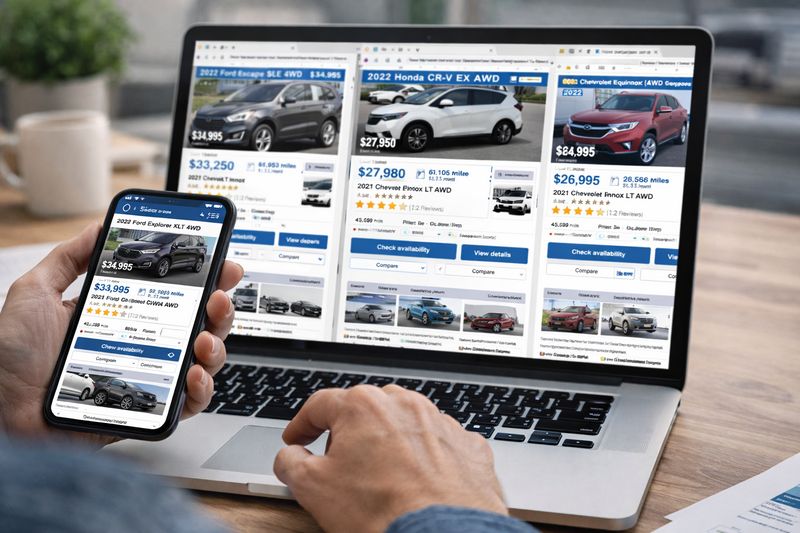
This is especially true for budget-conscious buyers. They compare prices, check history reports, and often look at auction options instead of traditional dealerships. Because of this, basic sales tactics are no longer enough.
If you want to sell cars successfully in 2026, you need to understand how people think, what they fear, and what they are really looking for. Strong car sales skills help you build trust, explain value clearly, and guide customers toward the right decision without pressure.
How the Car Buying Process Has Changed
Not long ago, most people walked into a dealership, looked around, and relied heavily on the salesperson. Today, that’s no longer the case.
Now, buyers do their homework first. They search online for prices and reviews, compare multiple vehicles, check vehicle history reports, and watch video walkthroughs before contacting anyone. By the time they reach out, they already have a clear idea of what they want.
For example, a buyer might spend several days comparing a 2018 Toyota Camry listed locally with similar options available through auctions. When they finally message you, they are not just browsing — they are close to making a decision.
This means your role has changed. You are no longer just selling a car. You are helping confirm that the customer is making the right choice.
Budget Buyers and Price Sensitivity in Today’s Market
Many buyers today are working with tight budgets. Rising living costs and higher loan rates make people more careful with every dollar.
For these customers, price is the main factor. A typical buyer might be looking for a reliable car under $10,000. They are not chasing luxury. They want something dependable, affordable to maintain, and free from hidden problems.
If the price feels unclear or too high, they will leave quickly. But that does not mean they always choose the cheapest option. Most buyers are actually looking for the best value.
For example, someone may choose a car that costs $1,000 more if it has lower mileage, a clean history report, and fewer risks. When everything is explained clearly, they feel more confident paying a bit extra.
Your job is to help them see that value. If you only talk about price, you lose their attention. If you explain why the car makes sense financially, you build trust.
Online Research and Auction-Based Buying Trends
Online platforms have completely changed how people buy cars. Auction-based buying is becoming more popular, especially among buyers who want to save money.
Today, customers can browse thousands of vehicles, compare prices across the U.S., check history reports, and even estimate shipping costs before making a decision. This gives them more control than ever before.
For example, a buyer might find a car at an auction for $4,500, while a similar one at a dealership costs $7,500. Naturally, they start asking questions like: “What’s the catch?”, “Is it safe?”, and “What will I really pay in the end?”
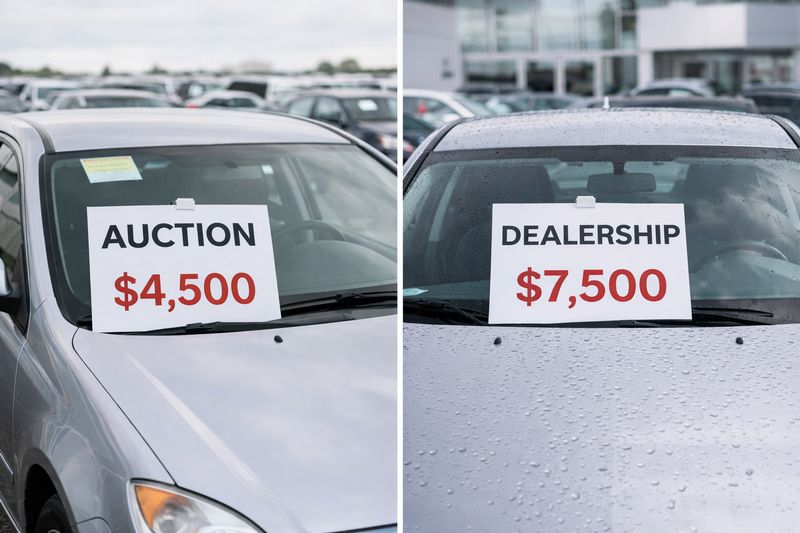
This is where your sales skills matter most. Instead of just offering a car, you need to explain how auctions work, break down total costs, and show real examples of savings.
Offer Cars Your Customers Actually Want
Today’s buyers compare dealership prices with auctions before making a decision. Give them access to better deals, transparent pricing, and real savings they can clearly understand.
- ✅ Access to Copart, IAAI and dealer inventory
- ✅ Lower prices than traditional dealerships
- ✅ Real vehicle history and auction data
- ✅ More options for budget-conscious buyers
Understanding the Modern Car Buyer
To sell cars effectively today, you need to understand how buyers think. Modern customers are not impulsive. They take their time, compare options, and look for the safest way to spend their money.
This is especially true for people with limited budgets. They are careful with every step, and small details can make or break the deal. If you understand their mindset, you can communicate better, reduce their doubts, and guide them toward a confident decision.
Who Are Budget-Conscious Buyers
Budget-conscious buyers are not just “cheap buyers.” They are smart shoppers who want to avoid mistakes. Most of them have a clear price limit and are trying to get the most reliable car within that range.
You will often see people like:
- First-time car buyers
- Families looking for a second vehicle
- People rebuilding credit
- Buyers switching from expensive financing to cash deals
For example, a young couple might have saved $7,000 and need a car for daily commuting. They are not looking for luxury features. They care about reliability, fuel efficiency, and low repair costs.
Another example is someone who had a bad experience before — maybe they bought a car that broke down after a few weeks. Now they are more cautious and ask more questions.
These buyers are careful, but they are also serious. If they trust you, they are very likely to move forward.
What Motivates Customers to Buy a Car
People don’t buy cars just because they like them. There is usually a real reason behind the decision. Understanding that reason helps you position the right vehicle.
Common motivations include:
- Need for daily transportation to work
- Replacing a broken or unreliable car
- Saving money compared to their current vehicle
- Getting a better deal than what local dealerships offer
For example, someone driving an old car that constantly needs repairs may finally decide to replace it. They are not excited about spending money — they just want to stop losing money on repairs.
Another buyer may be comparing dealership prices and realizing they are too high. When they discover auctions, they become motivated by the opportunity to save thousands.
Saving Money vs. Perceived Value
Most buyers say they want the cheapest option, but in reality, they want the smartest deal. There is a big difference.
If a car is very cheap but has unknown history or high risk, many buyers will hesitate. But if a slightly more expensive option feels safer and better explained, they are more likely to choose it.
For example, a buyer may compare two cars:
- Car A: $4,000, no clear history, questionable condition
- Car B: $5,200, clean report, detailed photos, clear explanation
Even on a tight budget, many people will choose Car B because it feels like a safer investment.
This is where perceived value matters. When you clearly explain what the buyer is getting and why it makes sense, price becomes less of a problem.
Trust and Transparency in Auto Sales
Trust is one of the biggest factors in car sales today. Buyers have seen too many bad deals, hidden issues, and misleading ads. That’s why they are careful.
If something feels unclear or too good to be true, they will walk away.
Transparency builds confidence. This means:
- Clearly explaining the condition of the car
- Showing real photos and reports
- Being honest about risks or imperfections
- Breaking down all costs upfront
For example, if a car has minor damage but you explain it clearly and show photos, the buyer feels informed. But if they discover it later, trust is lost immediately.
In today’s market, honesty is not just a good practice — it is a competitive advantage.
Common Buyer Concerns and Objections
Every buyer has doubts. These doubts are normal, especially when money is limited. Your job is not to ignore them, but to understand and address them properly.
Most objections come from uncertainty, not from lack of interest. When you reduce that uncertainty, you increase your chances of closing the deal.
Fear of Hidden Problems
One of the biggest fears is buying a car with hidden issues. Buyers worry about:
- Engine or transmission problems
- Past accidents
- Flood or damage history
- Unexpected repair costs
For example, someone might say, “The price looks good, but I’m worried something is wrong with the car.”
This is your opportunity to provide clarity. Show the vehicle history report, explain the condition, and point out what has been checked. The more transparent you are, the less fear they feel.
Financing and Down Payment Worries
Money is always a sensitive topic. Many buyers are unsure if they can afford the car or meet the payment requirements.
Some may be worried about:
- High down payments
- Monthly payments they can’t handle
- Approval with low credit
For example, a customer might ask, “How much do I need upfront?” or “Can I even get approved?”
Clear answers help reduce stress. When buyers understand the numbers, they feel more in control and more willing to move forward.
Trust in Seller or Platform
Even if the car looks good, buyers often hesitate because they are not sure about the seller or the platform. This is especially common with online and auction purchases.
Typical thoughts include:
- “Is this company legit?”
- “What if something goes wrong?”
- “Will I actually receive the car?”
For example, a first-time auction buyer may like a car but hesitate to bid because they don’t fully understand the process.
This is where your role is critical. You need to explain how everything works step by step, show proof of past transactions, and make the process feel safe.
Core Car Sales Tips to Increase Conversions
Selling more cars is not about talking more or pushing harder. It’s about understanding people and guiding them in a simple, honest way. Small improvements in communication can make a big difference in your results.
These core sales tips focus on real situations you face every day — especially when working with budget-conscious buyers who need clarity, trust, and confidence before making a decision.
1. Know Your Customers and Their Needs
Every customer is different. Some want the lowest price. Others want reliability. Some are ready to buy today, while others are just exploring options.
If you treat everyone the same, you miss opportunities. The better you understand the customer, the easier it is to offer the right car and close the deal.
Ask the Right Questions
Instead of jumping into a sales pitch, start with simple questions. This helps you understand what the customer really needs.
Good examples:
- “What’s your budget range?”
- “What kind of car are you looking for?”
- “Is this for daily driving or occasional use?”
- “Have you looked at auctions before?”
For example, a buyer may say they want an SUV. But after a few questions, you find out they mainly drive in the city and want better fuel economy. That changes your recommendation completely.
Asking the right questions saves time and makes your offer more relevant.
Identify Budget, Preferences, and Intent
Three things matter most: how much they can spend, what they prefer, and how ready they are to buy.
A customer with a $6,000 budget and urgent need is very different from someone browsing with no clear plan.
For example, if a buyer says, “I need a car this week,” you should focus on available options and quick decisions. If they say, “I’m just looking,” you should educate and build trust instead of pushing.
When you clearly understand budget, preferences, and intent, your communication becomes much more effective.
2. Remember Names and Personal Details
People don’t like feeling like just another lead. They want to feel recognized and understood. Remembering small details helps you stand out from other sellers.
It shows that you care and that you are paying attention.
Build Personal Connection
Using a customer’s name and remembering details creates a simple but powerful connection.
For example:
If a buyer tells you they need a car for commuting to a new job, you can later say, “Hey John, I found a reliable option that would be great for your daily commute.”
This feels personal, not generic.
Another example: if a customer mentions they have a family, you can highlight safety and space instead of just price.
These small touches build trust quickly.
Use CRM Tools to Track Customer Data
When you talk to many customers daily, it’s easy to forget details. That’s where CRM tools help.
You can track:
- Name and contact info
- Budget range
- Preferred car types
- Previous conversations
For example, if a customer contacted you last week and comes back, you don’t need to start from zero. You can continue the conversation naturally.
This makes the experience smoother and increases your chances of closing the deal.
3. Practice Active Listening
Many salespeople talk too much. They focus on explaining instead of understanding. This often leads to missed opportunities.
Active listening means paying full attention to what the customer is saying and responding based on that.
Listen More Than You Talk
Let the customer speak. Don’t interrupt or rush to respond.
For example, if a buyer says, “I’m worried about repair costs,” don’t immediately push a car. Ask follow-up questions:
- “What kind of issues did you have before?”
- “What are you trying to avoid this time?”
This gives you valuable insight and helps you respond more accurately.
When customers feel heard, they trust you more.
Adapt Your Pitch Based on Customer Responses
Every conversation should be slightly different. What works for one buyer may not work for another.
If someone is focused on price, show cost savings and total value.
If someone is worried about risk, focus on vehicle history and condition reports.
For example, a first-time buyer may need more explanation about auctions, while an experienced buyer may just want quick numbers.
Adapting your approach makes your message more relevant and effective.
4. Build Rapport and Trust Quickly
You don’t always have a lot of time to make a strong impression. Often, the first few minutes decide whether the customer continues the conversation or leaves.
Building rapport quickly helps you create a comfortable and positive experience.
Make Eye Contact and Use Positive Body Language
If you are speaking in person or on video, your body language matters.
Simple things like:
- Eye contact
- A relaxed posture
- A friendly tone
make you appear more trustworthy.
For example, a confident but calm presence helps reduce tension, especially for buyers who are unsure or nervous about spending money.
Even in chat, tone matters. Short, clear, and friendly messages feel more natural than long, complicated explanations.
Match Communication Style to the Customer
Some customers like quick, direct answers. Others prefer more detailed explanations.
Pay attention to how they communicate and adjust your style.
For example:
If a customer sends short messages like “Price?” or “Miles?”, respond clearly and directly.
If they ask detailed questions, take time to explain step by step.
Matching their style makes the conversation smoother and more comfortable.
5. Be Friendly, Professional, and Positive
Your attitude plays a big role in how customers perceive you. Even if your prices are competitive, a poor experience can push buyers away.
Being friendly and professional helps create a positive impression from the start.
First Impressions Matter
The first message or first meeting sets the tone.
If your response is slow, unclear, or unfriendly, the customer may lose interest immediately.
For example:
Compare these two responses:
“Car available.”
vs
“Hi! Yes, the car is available. I can also help you check total cost and history if you’d like.”
The second one feels more helpful and inviting.
Strong first impressions increase engagement and trust.
Dress for Success and Maintain Professionalism
If you meet customers in person or create video content, appearance matters. You don’t need to be formal, but you should look clean and organized.
Professionalism also includes:
- Clear communication
- Honest answers
- Respect for the customer’s time
For example, showing up prepared with all vehicle details and answers makes you look reliable and serious.
6. Demonstrate Strong Product Knowledge
Customers today expect clear and accurate information. If you hesitate, give vague answers, or don’t understand the product, trust drops immediately. Strong product knowledge makes you look confident and reliable.
It also helps you explain value, justify pricing, and reduce buyer concerns — especially for people who are already cautious with their money.
Understand Vehicle Specs and History
You should know the key details of every vehicle you offer. This includes:
- Engine type and performance
- Mileage and condition
- Trim level and features
- Vehicle history (accidents, damage, ownership)
For example, if a buyer asks, “Why is this car cheaper than others?”, you should be able to explain clearly. Maybe it has higher mileage, minor damage, or fewer features.
If you don’t know the answer, the customer may assume the worst. But if you explain it confidently, it builds trust.
Another example: if a car has a clean history report, highlight it. If it has minor damage, explain exactly what it is and how it affects the car. Clarity reduces fear.
Explain Auction and Pricing Advantages
Many buyers don’t fully understand how auctions work. They see a lower price but are unsure why.
This is your chance to educate and build confidence.
Explain that auction cars are often cheaper because:
- They come directly from insurance companies or fleets
- There are fewer middlemen
- Buyers can access wholesale pricing
For example, you can say:
“This car is $2,000 cheaper than similar dealership options because it came from an insurance auction. We can show you the history and total cost upfront.”
When buyers understand the reason behind the price, they feel more comfortable moving forward.
7. Be Honest and Transparent
Honesty is one of the strongest sales tools you have. In today’s market, buyers are very sensitive to anything that feels misleading.
If you are open and clear, you stand out immediately. If you hide details, you lose trust — often permanently.
Never Mislead Buyers
Never exaggerate or hide important information. Even small details matter.
For example, don’t say “perfect condition” if the car has visible wear or minor damage. Instead, say:
“The car is in good condition overall, but there are some scratches on the rear bumper. I can show you photos.”
This approach feels honest and builds credibility.
If a buyer catches something you didn’t mention, even by accident, they may walk away completely.
Highlight Both Pros and Cons of a Vehicle
Every car has strengths and weaknesses. When you talk about both, you sound more trustworthy.
For example:
- “This car has low mileage and a clean history, but it’s a base trim with fewer features.”
- “It’s very affordable, but it may need minor cosmetic work.”
This helps the buyer make a realistic decision.
Paradoxically, mentioning cons often increases trust and makes the buyer more comfortable saying yes.
8. Avoid Being Pushy
Pressure is one of the fastest ways to lose a sale, especially with budget-conscious buyers. They already feel cautious about spending money.
If they feel rushed, they will step back.
Let the Customer Make the Decision
Your role is to guide, not force. Give the customer space to think.
For example, if a buyer says, “I need time to think,” don’t push them. Instead, respond:
“Of course. Let me know if you have any questions. I’m here to help.”
This keeps the relationship positive and open.
Many buyers come back when they feel no pressure.
Use Guidance Instead of Pressure
Instead of pushing, focus on helping the customer understand their options.
For example:
- Show similar vehicles within their budget
- Compare pros and cons
- Explain total costs clearly
You can say:
“Based on your budget, these two options make the most sense. One is cheaper, the other has lower mileage.”
This approach feels supportive, not aggressive.
9. Treat Every Customer Equally
It’s easy to focus more on buyers with higher budgets. But this is a mistake. Every customer has value, and many budget buyers become repeat clients or referrals.
Consistency in how you treat people builds a strong reputation.
No Bias Based on Budget
A buyer with a $5,000 budget deserves the same respect as someone spending $20,000.
For example, a budget buyer today may return next year with a higher budget. Or they may recommend you to friends and family.
If they feel ignored or undervalued, you lose not just one sale, but multiple future opportunities.
Deliver Consistent Customer Experience
Every customer should receive:
- Clear communication
- Honest answers
- Quick responses
- Professional attitude
For example, whether someone is buying a $4,000 car or a $15,000 car, the process should feel equally smooth and transparent.
Consistency builds trust and long-term growth.
10. Handle Pricing Discussions Strategically
Price is one of the most sensitive parts of any car sale. If handled poorly, it can end the conversation quickly. If handled correctly, it can move the deal forward.
The goal is not just to present a number, but to explain it in a way that makes sense to the buyer.
Be Firm but Flexible with Price
You should know your limits, but also be open to reasonable discussion.
For example, if a buyer asks for a discount, don’t reject it immediately. You can say:
“We try to keep prices competitive, but let me see what we can do based on this vehicle.”
This keeps the conversation open.
At the same time, avoid lowering the price too quickly. If you reduce it without explanation, buyers may question the value.
Discuss Price Before Payment Options
Always focus on the total price first.
If you jump into monthly payments too early, the buyer may get confused or distracted.
For example, instead of saying:
“It’s $200 per month,”
start with:
“The total cost of the car is $6,500, including all fees. Then we can look at payment options if needed.”
This keeps everything clear and transparent.
Avoid Early Payment Conversations
Talking about financing too early can shift focus away from the car itself.
First, help the buyer understand why the car is a good choice. Once they see the value, then you can discuss how to pay for it.
For example, if a buyer likes the car and understands the benefits, they are more open to financing options. But if you start with payments, they may focus only on affordability and ignore value.
11. Don’t Talk Negatively About Competitors
It can be tempting to point out weaknesses in competitors’ offers, especially when a buyer says, “I saw a cheaper option somewhere else.” But speaking negatively about others often backfires. It makes you look unprofessional and can create doubt in the customer’s mind.
Strong salespeople don’t win by attacking others. They win by clearly showing their own value.
Focus on Your Own Value
Instead of criticizing competitors, explain what makes your offer better or safer.
For example, if a buyer mentions a cheaper car elsewhere, you can say:
“That could be a good option. The difference here is we provide full history reports, clear pricing, and support through the entire process.”
This keeps the conversation positive and shifts focus back to your strengths.
Buyers appreciate confidence and clarity. When you explain your value without comparing aggressively, they feel more comfortable working with you.
Build Confidence Instead of Doubt
Your goal is to reduce uncertainty, not increase it. If you start creating doubt about everything in the market, the buyer may hesitate to make any decision at all.
For example, instead of saying, “Other sellers hide problems,” say:
“We make sure everything is transparent, so you know exactly what you’re buying.”
This builds confidence in your process rather than fear of others.
When buyers feel confident, they move forward faster.
12. Get the Details Right
Small details can make a big difference in car sales. One incorrect number or missing piece of information can break trust instantly.
Accuracy shows professionalism. It tells the buyer that they can rely on you and that there will be no surprises later.
Accuracy in Vehicle Information
Always double-check key details before sharing them with a customer. This includes:
- Mileage
- Year and trim
- Condition and damage
- Vehicle history
For example, if you say a car has 60,000 miles but the report shows 75,000, the customer may lose trust immediately — even if it was a simple mistake.
It’s better to take a few extra seconds to confirm information than to correct it later.
Accurate information also helps buyers compare options more easily and make faster decisions.
Clear Explanation of Fees and Process
Many buyers are confused by additional costs, especially in auction-based purchases. If fees are unclear, they may assume the worst and walk away.
Be upfront about everything:
- Auction fees
- Transportation costs
- Shipping or delivery
- Any additional services
For example, instead of just saying, “The car is $5,000,” explain:
“The vehicle price is $5,000, plus auction fees and shipping. I can break down the total cost for you so you know exactly what to expect.”
When buyers understand the full process, they feel more in control and less stressed.
13. Follow Up After Every Interaction
Many sales are not closed in the first conversation. Buyers need time to think, compare, or arrange their finances.
Following up keeps you in their mind and shows that you are serious about helping them.
Post-Sale Follow-Up
Your relationship with the customer should not end after the sale. A simple follow-up message can make a big impact.
For example:
“Hi John, just wanted to check if everything is going well with your car. Let me know if you need anything.”
This shows that you care beyond the transaction.
Satisfied customers are more likely to:
- Recommend you to others
- Leave positive reviews
- Come back for another purchase
Lead Nurturing for Future Sales
Not every lead is ready today. Some buyers may come back in weeks or even months.
Instead of forgetting them, stay in touch in a simple and helpful way.
For example:
- Send updates when new vehicles match their preferences
- Share better deals within their budget
- Check in occasionally without being pushy
A buyer who said “not now” can easily become a customer later if you stay consistent.
Saying Thank You and Asking for Reviews
A simple “thank you” goes a long way. It leaves a positive impression and strengthens the relationship.
After a successful deal, you can say:
“Thank you for choosing us. If you’re happy with your experience, we’d really appreciate a quick review.”
Reviews are powerful. They build trust with future customers and help you stand out in a competitive market.
Show the Real Value Behind the Price
Price objections happen when buyers don’t see the full picture. Use real auction data, history reports, and clear cost breakdowns to explain value and close deals faster.
- ✅ Real sold price comparisons
- ✅ Free vehicle history reports
- ✅ Transparent total cost breakdown
- ✅ Stronger arguments in negotiations
Using Technology to Improve Car Sales
Technology is no longer optional in car sales. It helps you respond faster, stay organized, and understand your customers better.
For budget-conscious buyers, speed and clarity matter a lot. If you reply late, forget details, or give inconsistent information, they will move on to someone else.
Using the right tools allows you to manage more leads, improve communication, and close more deals without working harder — just smarter.
CRM Software for Lead Management
A CRM (Customer Relationship Management) system helps you keep everything in one place. Instead of relying on memory or scattered notes, you have a clear view of every customer.
With a CRM, you can track:
- Contact details
- Budget and preferences
- Conversation history
- Follow-up status
For example, imagine you are talking to 20 customers at the same time. Without a CRM, it’s easy to forget who wanted an SUV under $8,000 and who was looking for a sedan under $6,000.
With a CRM, you can quickly check and continue the conversation naturally:
“Hey Mike, I found another SUV within your budget. Want me to send details?”
This makes your communication more personal and professional, which increases trust and conversions.
Automation and Chatbots in Car Sales
Automation helps you respond instantly, even when you’re not available. This is especially important for online leads coming from Facebook, websites, or marketplaces.
Chatbots can:
- Send instant replies
- Answer common questions
- Collect basic information (budget, car type, contact details)
- Guide users to the next step
For example, when someone messages “Is this car available?”, a chatbot can instantly reply:
“Yes, it’s available. Are you looking for this specific car or exploring options?”
This keeps the conversation active and increases the chance of engagement.
Automation doesn’t replace you — it supports you. It handles simple tasks so you can focus on closing deals and building relationships.
Tracking Leads and Customer Behavior
Not all leads are the same. Some are ready to buy today, while others are just browsing. Tracking behavior helps you understand where each customer stands.
You can track:
- Which cars they view
- How often they return
- What links they click
- Whether they completed forms or applications
For example, if a customer visits the same car page multiple times, it’s a strong buying signal. You can follow up with something like:
“I noticed you were checking this car. Want me to break down the total cost for you?”
This feels relevant and timely, not random.
Understanding behavior helps you focus your energy on the most promising leads.
Using Data to Improve Conversion Rates
Data shows you what works and what doesn’t. Instead of guessing, you can make decisions based on real results.
You can analyze:
- Which channels bring the most leads (Facebook, Google, direct traffic)
- Which messages get replies
- Where customers drop off in the process
- Which cars sell faster and why
For example, you may notice that:
- Quick replies lead to more conversions
- Transparent pricing messages perform better
- Certain price ranges attract more serious buyers
With this information, you can adjust your strategy.
Instead of saying, “I think this works,” you can say, “I know this works because the data shows it.”
The Role of Digital Marketing in Car Sales
Digital marketing is one of the main drivers of car sales today. Most buyers start their journey online, long before they contact a seller. If you are not visible online or your presence looks weak, you lose potential customers before the conversation even begins.
For budget-conscious buyers, digital marketing is even more important. They rely on online information to compare prices, check credibility, and avoid risks. A strong online presence helps you attract these buyers and build trust before you even speak to them.
Importance of Online Reviews and Reputation
Before trusting a seller, most buyers check reviews. They want to see real experiences from other customers.
For example, a buyer may find your offer interesting, but before reaching out, they search your company name and read reviews. If they see positive feedback, they feel more confident. If they see negative or no reviews, they hesitate.
Reviews help answer key questions:
- “Is this company legit?”
- “Do they deliver what they promise?”
- “Do other people trust them?”
Encourage satisfied customers to leave reviews. Even a short message like:
“If you’re happy with your experience, we’d appreciate a quick review”
can make a big difference over time.
A strong reputation reduces objections and shortens the decision-making process.
Social Media and Marketplace Sales Strategies
Social media platforms like Facebook, Instagram, and marketplaces are powerful tools for generating leads. Many buyers browse listings daily, looking for good deals.
To succeed, your content should be:
- Clear and simple
- Focused on price and value
- Honest and transparent
For example, instead of a generic post, use something like:
“2017 Nissan Altima — $6,500 | Clean title | Ready to drive”
This gives buyers exactly what they want: quick information.
Also, fast responses matter. If someone messages you and you reply in seconds or minutes, your chances of converting that lead increase significantly.
Consistency is key. Regular posts and active communication keep your inventory visible and your brand top of mind.
Website Optimization and Inventory Updates
Your website is often the first place serious buyers go. If it looks outdated, slow, or confusing, they may leave immediately.
A good website should:
- Load quickly
- Work well on mobile devices
- Show clear photos and details
- Make it easy to browse inventory
For example, a buyer looking for a car under $8,000 should be able to filter options quickly and see available vehicles without confusion.
Keeping inventory updated is critical. If buyers click on cars that are already sold, they lose trust.
A well-organized and updated website makes the buying process easier and increases conversions.
Retargeting and Follow-Up Campaigns
Most buyers don’t make a decision immediately. They visit your website, check a few cars, and leave. Without follow-up, you lose them.
Retargeting helps bring them back.
For example, if someone views a specific car, you can show them ads later with similar vehicles or reminders. This keeps your offer in their mind.
Follow-up campaigns also play a big role. These can include:
- Email reminders
- Messages with new inventory
- Updates about price drops or better deals
For example:
“Hey, we just added a few cars in your price range. Want me to send you options?”
This feels helpful, not pushy.
Controlling Buyer Objections Without Pressure
Objections are a normal part of car sales. They don’t mean the customer is not interested. In most cases, objections mean the buyer is thinking seriously but still has doubts.
The mistake many sellers make is trying to “fight” objections or push harder. This creates pressure and often drives the customer away.
A better approach is to understand the concern, respond calmly, and guide the buyer with clear information. When done right, objections become an opportunity to build trust and move closer to a sale.
Common Objections in Car Sales
Most objections fall into a few common categories. Once you understand them, you can handle them more confidently and naturally.
“Price is too high”
This is one of the most common objections. But in many cases, it doesn’t mean the buyer can’t afford the car. It often means they don’t yet see the value.
For example, a buyer might compare your $6,500 car to a $5,500 option elsewhere. Without context, your offer feels expensive.
Instead of lowering the price immediately, focus on explaining what they are getting:
- Better condition
- Clean history
- Lower risk
- More transparency
When buyers understand why the price is higher, they are more open to it.
“I need to think about it”
This usually means the buyer is interested but not fully confident yet. They may need more clarity or reassurance.
For example, a customer might like the car but still worry about hidden issues or total cost.
Instead of pushing, respond in a supportive way:
“Of course. Is there anything specific you’d like me to clarify to help you decide?”
This keeps the conversation open and often reveals the real concern behind the hesitation.
“I saw a cheaper option”
This objection is very common with online and auction buyers. They often compare multiple listings.
Instead of arguing, acknowledge their point:
“That makes sense. There are definitely cheaper options out there.”
Then guide the conversation toward value:
“The difference usually comes down to condition, history, and total cost. I can help you compare if you’d like.”
This approach feels helpful, not defensive.
How to Respond Effectively
Handling objections is not about having the perfect script. It’s about staying calm, asking the right questions, and providing clear information.
When buyers feel understood, they are much more willing to continue the conversation.
Use Logic and Value-Based Arguments
Emotion starts the buying process, but logic helps finalize it.
When responding to objections, use simple and clear explanations.
For example, if a buyer says the price is high, you can break it down:
“This car is slightly higher because it has lower mileage and a clean history. That usually means fewer repair costs in the future.”
This helps the buyer see the long-term benefit, not just the upfront cost.
Avoid complicated explanations. Keep it simple and practical.
Offer Alternatives Within Budget
Sometimes the buyer is right — the car may simply be outside their budget. In this case, pushing the same option will not work.
Instead, offer alternatives:
“I understand. Let me show you a few options closer to your budget.”
For example, you can suggest:
- A similar model with higher mileage
- A different brand with lower price
- Auction options with better value
This shows flexibility and willingness to help, not just sell one specific car.
Car Sales Strategies for Auction-Based Buyers (Auto4Export Focus)
Auction-based buyers are different from traditional dealership customers. They are usually more price-focused, more cautious, and often new to the process.
Many of them are interested in saving money but are unsure how auctions work. They may worry about risks, hidden costs, or making a mistake.
Your job is to simplify the process, explain the benefits clearly, and remove uncertainty step by step. When buyers understand how auctions work and feel supported, they become much more confident in moving forward.
How to Explain Auction Benefits to Customers
Most buyers already suspect that auctions can be cheaper. What they need is a clear explanation of why — and whether it’s safe.
Keep your explanation simple and practical. Avoid technical language. Focus on what matters to them: saving money and getting a good deal.
Lower Prices Compared to Dealerships
One of the biggest advantages of auctions is price. Cars are often sold at wholesale levels, which are lower than dealership retail prices.
Explain it in a simple way:
“At auctions, vehicles come directly from insurance companies, banks, or fleets. There are fewer middle steps, so the price is usually lower.”
For example, a car that sells for $9,000 at a dealership might be available at auction for $6,500–$7,000.
For a budget buyer, that difference is significant. It can mean:
- Staying within budget
- Getting a newer car
- Choosing a better condition vehicle
When buyers clearly see the savings, they become more interested in the process.
Wide Inventory Selection
Another strong advantage is the variety of vehicles available.
Instead of being limited to local inventory, buyers can choose from thousands of cars across the U.S.
For example, if a customer is looking for a specific model under $8,000, local options may be very limited. But through auctions, they can compare dozens of similar vehicles in different conditions and price ranges.
This increases their chances of finding the right balance between price and quality.
When you explain this, buyers start to see auctions not just as a cheaper option, but as a smarter one.
Reducing Risk for Buyers
Lower prices always raise one important question: “What’s the risk?”
This is where your role becomes critical. You need to show that while auctions offer savings, they can also be safe when done correctly.
Vehicle History Reports
One of the most powerful tools to reduce risk is the vehicle history report.
Always show buyers:
- Past accidents or damage
- Ownership history
- Mileage records
- Previous auction data if available
For example, if a car has minor damage, explain exactly what it is and how it affects the vehicle. If it has a clean history, highlight it clearly.
You can say:
“We provide full history reports so you know exactly what you’re buying before placing a bid.”
This transparency helps buyers feel more in control and less afraid of hidden problems.
Transparent Fees and Process
Another common concern is hidden costs. Buyers may worry that the final price will be much higher than expected.
Be upfront about all costs:
- Auction fees
- Transportation within the U.S.
- Shipping to the destination country
- Any additional services
For example:
“The car is $5,000 at auction, and I can break down all additional costs so you know the total before making a decision.”
Also explain the process step by step:
- How bidding works
- How the car is purchased
- How it is transported and shipped
When buyers understand both the costs and the process, their confidence increases significantly.
Helping Customers Choose the Right Vehicle
Many buyers are not sure which car to choose. They may focus only on price and overlook important factors like condition, total cost, or long-term reliability.
Your role is to guide them toward a smart decision, not just the cheapest option.
Budget Planning
Start with a clear budget conversation. Help the buyer understand what they can realistically afford, including all costs.
For example, if someone has a $6,000 budget, explain how it may be split:
- Vehicle price
- Auction fees
- Transportation and shipping
This prevents situations where a buyer spends their entire budget on the car itself and cannot cover additional costs.
You can also suggest better strategies, such as choosing a slightly cheaper car to leave room for shipping and repairs if needed.
Clear budget planning reduces stress and avoids surprises later.
Shipping and Total Cost Explanation
One of the biggest differences in auction buying is the total cost. The car price is only part of the final amount.
Break everything down in a simple way:
- Purchase price
- Auction fees
- Inland transportation
- International shipping (if applicable)
For example:
“The car costs $4,500 at auction. With fees and shipping, the total comes to around $6,200.”
This level of clarity builds trust and helps buyers make informed decisions.
Building Long-Term Relationships in Car Sales
Selling one car is good. Building a long-term relationship is much better. A single satisfied customer can bring multiple future deals through repeat purchases and referrals.
For budget-conscious buyers, trust is especially important. If they have a good experience, they are very likely to come back when they need another car or recommend you to others.
Long-term relationships are built through consistent service, honest communication, and staying in touch even after the sale is completed.
Turning One-Time Buyers into Repeat Clients
Many sellers focus only on closing the deal and then move on. This is a missed opportunity.
A customer who already trusts you is much easier to work with in the future. They don’t need to go through the same doubts again.
For example, someone who bought a car through you this year may return in a year or two to upgrade or buy a second vehicle for a family member.
To make this happen:
- Stay in touch occasionally
- Send updates when good deals appear
- Be available for questions even after the sale
A simple message like:
“Hey, we just got a few cars in your price range again. Let me know if you’re interested”
can restart the conversation naturally.
Repeat clients save you time and increase your overall sales without additional marketing costs.
Referral Strategies and Word-of-Mouth
Happy customers often share their experience with friends and family — especially when they feel they got a good deal.
Word-of-mouth is one of the most powerful ways to grow your business because people trust recommendations more than ads.
For example, a buyer who saved $2,000 through an auction purchase is likely to tell others about it.
You can encourage referrals in a simple and natural way:
- After a successful deal, say:
“If you know anyone looking for a car, feel free to send them my way.” - Provide clear and helpful service that people want to talk about
- Stay responsive and professional
You don’t need complicated programs. Consistent good service creates referrals on its own.
Over time, referrals can become a steady source of new customers.
Customer Satisfaction as a Growth Driver
Customer satisfaction is not just about being polite. It’s about making the entire experience smooth, clear, and stress-free.
Buyers remember how you made them feel:
- Were things explained clearly?
- Were there any surprises?
- Did they feel supported during the process?
For example, a customer who understands every step — from bidding to shipping — feels confident and satisfied. But a customer who feels confused or misled will not return.
Satisfied customers are more likely to:
- Leave positive reviews
- Recommend you to others
- Come back for future purchases
Focus on:
- Clear communication
- Honest expectations
- Fast responses
- Support after the sale
Common Mistakes to Avoid in Car Sales
Even experienced sellers lose deals because of simple mistakes. In today’s market, buyers have many options and very little patience. One wrong move can push them toward another seller.
For budget-conscious buyers, mistakes are even more critical. These customers are already cautious. If something feels off, they leave quickly.
Avoiding these common mistakes will help you keep more leads, build trust, and increase your closing rate.
Talking Too Much Instead of Listening
One of the most common mistakes is talking too much. Many sellers try to explain everything at once without understanding what the customer actually needs.
This often overwhelms the buyer and makes the conversation feel one-sided.
For example, a customer may only want to know the price and condition, but instead receives a long explanation about features they don’t care about.
A better approach is to listen first. Let the customer speak, ask a few questions, and then respond based on their answers.
When you listen more, your message becomes more relevant — and more effective.
Pushing Customers Too Hard
Pressure is one of the fastest ways to lose a sale. Buyers don’t like feeling rushed, especially when they are making a financial decision.
For example, phrases like:
- “This deal won’t last”
- “You need to decide now”
can make customers uncomfortable and defensive.
Instead of moving forward, they often step back or stop responding completely.
A better approach is to guide the customer. Give them information, answer their questions, and allow them to decide at their own pace.
When buyers feel no pressure, they are more likely to trust you — and come back when they are ready.
Lack of Product Knowledge
If you don’t know the details of the vehicle, buyers will notice immediately. This creates doubt and reduces confidence.
For example, if a customer asks about mileage, condition, or history and you hesitate or give unclear answers, they may assume there is a problem.
Strong product knowledge helps you:
- Answer questions quickly
- Explain price differences
- Reduce buyer concerns
If you don’t know something, it’s better to say:
“Let me double-check that for you and get back with accurate information.”
Honest and accurate answers are always better than guessing.
Ignoring Follow-Ups
Many deals are lost simply because there was no follow-up. Buyers often need time, and without a reminder, they may forget or choose another option.
For example, a customer might show strong interest but say, “I’ll think about it.” If you never follow up, the conversation ends there.
A simple message like:
“Just checking in — let me know if you have any questions or want to see more options”
can bring the buyer back.
Consistent follow-up keeps you top of mind and increases your chances of closing the deal later.
Poor Communication or Slow Responses
Speed and clarity are critical in today’s market. Buyers often contact multiple sellers at the same time. The one who responds first usually has the advantage.
If your replies are slow, unclear, or incomplete, buyers may move on quickly.
For example:
- A delayed response can make the buyer lose interest
- A vague answer can create confusion
- Missing details can lead to frustration
Good communication means:
- Responding quickly
- Giving clear and direct answers
- Providing all necessary information upfront
Conclusion: How to Sell More Cars Consistently
Selling cars consistently is not about luck or aggressive tactics. It’s about doing the right things every day — understanding your customers, communicating clearly, and building trust over time.
In today’s market, especially when working with budget-conscious buyers, success comes from being helpful, transparent, and reliable. When customers feel confident in both the product and the person selling it, they are much more likely to move forward.
Combining Psychology, Strategy, and Technology
Strong car sales results come from the combination of three key elements: understanding people, using the right approach, and leveraging technology.
Psychology helps you understand what buyers feel — their fears, doubts, and motivations. Strategy helps you guide the conversation in the right direction. Technology helps you stay organized, respond faster, and track results.
For example, when a buyer hesitates, psychology tells you they need reassurance, not pressure. Strategy helps you respond with clear information. Technology helps you follow up at the right time.
When these elements work together, your sales process becomes smoother and more effective.
Focusing on Trust and Value for Budget Buyers
Budget buyers are not just looking for a low price. They are looking for a smart decision. They want to feel that they are not making a mistake.
Trust plays a huge role here. If the buyer trusts you, they are more willing to accept your recommendations and move forward with confidence.
For example, a customer may choose your offer even if it’s slightly more expensive because:
- You explained everything clearly
- You showed full transparency
- You answered all questions honestly
Value is not just about the price. It’s about what the buyer gets in return — reliability, clarity, and peace of mind.
When you focus on trust and value, price becomes less of a barrier.
Continuous Improvement in Sales Skills
The car market keeps changing, and so should your approach. What worked last year may not work today.
Improving your sales skills means:
- Learning from past conversations
- Paying attention to what works and what doesn’t
- Adapting to new tools and trends
- Practicing better communication every day
For example, you may notice that faster responses lead to more deals, or that clear price breakdowns reduce objections. Small improvements like these can have a big impact over time.
Consistent success in car sales comes from constant learning and adjustment.
When you stay focused on your customers, improve your skills, and use the right tools, you create a system that brings results again and again.
Use Auction Data to Close More Deals
Now you understand how modern buyers think and what drives their decisions. The next step is using real data and auction access to offer better deals and increase your conversions.
- ✅ 200,000+ vehicles across U.S. auctions
- ✅ Lower prices your customers expect
- ✅ Full vehicle history and transparency
- ✅ Support from search to purchase
Further Reading
Flipping Cars from Auctions: Ultimate Beginner’s Guide to Profit
Everything You Need to Know About Lemon Cars
Ultimate Guide to Adesa Automotive Auctions: Tips for Bidders & Buyers
Top 10 Ways to Save Money At Car Auctions

Do You Have Any Questions?
 Ask Question