


 Log in
 Sign Up


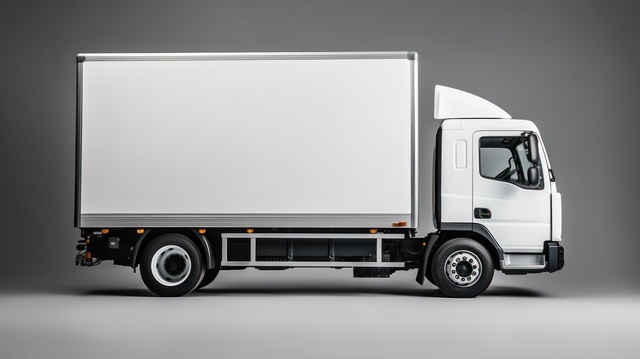


Looking to buy a car for your business without breaking the budget? This guide walks you through everything smart business owners need to know—from choosing the right vehicle and ownership structure to maximizing tax deductions and minimizing costs. Learn practical tips, avoid common mistakes, and make confident, informed decisions that save money and support your company’s growth.
Why Buying a Car for Your Business Makes Sense
For many small business owners, a vehicle is not just transportation. It is a working tool. Whether you run a plumbing service, deliver products, visit clients, or manage a mobile repair business, having a dedicated company vehicle can make daily operations easier and more professional.
Many entrepreneurs start by using their personal car for work. At first, this seems like the cheapest option. But over time, mixing business and personal use can create problems. Insurance costs may increase, tax deductions become harder to track, and wear and tear on your personal vehicle grows quickly.
Buying a vehicle specifically for your business can help you stay organized, protect your personal finances, and create a more professional image. When done wisely, it can also save money in the long run—especially if you choose a reliable used vehicle or buy through a vehicle auction.
For budget-focused business owners, the key is understanding how a company vehicle can support growth while keeping costs under control.
Find Affordable Work Vehicles at U.S. Auto Auctions
Many businesses save thousands by purchasing work vehicles through U.S. auto auctions. Instead of paying dealership prices, you can access a large inventory of cars, vans, and trucks suitable for daily business operations.
- ✅ Access to 200,000+ vehicles from major US auctions
- ✅ Cars, vans, trucks, and commercial vehicles available
- ✅ Transparent fees before purchase
- ✅ Shipping and export to any country
Main Benefits of a Company Vehicle
A company vehicle can offer several practical advantages. From tax benefits to branding opportunities, it can become an important asset that supports both your operations and your reputation.
Tax advantages and potential deductions
One of the biggest benefits of buying a vehicle for business is the possibility of tax deductions. In many cases, business owners can deduct expenses related to operating the vehicle.
This may include costs such as fuel, maintenance, insurance, registration fees, and depreciation. Some businesses may also qualify for special deductions depending on how the vehicle is used.
For example, a contractor who drives daily to job sites can often deduct a large portion of their driving expenses. A delivery service that uses a van exclusively for work may be able to deduct nearly all operating costs.
However, tax rules vary depending on the ownership structure and how the vehicle is used. Keeping accurate mileage records and expense receipts is essential if you want to maximize these deductions.
Protecting your personal insurance rate
Using your personal car heavily for business purposes can affect your insurance rates. Personal insurance policies are designed for normal driving, not for daily business operations.
If you use your personal car for deliveries, client visits, or transporting equipment, the risk profile changes. In some cases, insurers may increase your premium or deny certain claims if the vehicle was being used for business purposes.
A dedicated business vehicle with commercial insurance helps separate personal and work-related risk. This protects your personal driving record and keeps your personal insurance premiums more stable.
Building and controlling your corporate image
First impressions matter in business. The vehicle you arrive in can say a lot about your company.
Imagine two electricians arriving at a client’s home. One shows up in a clean van with organized tools and company branding. The other arrives in an old personal sedan filled with equipment. Even if both are skilled, the first one appears more professional.
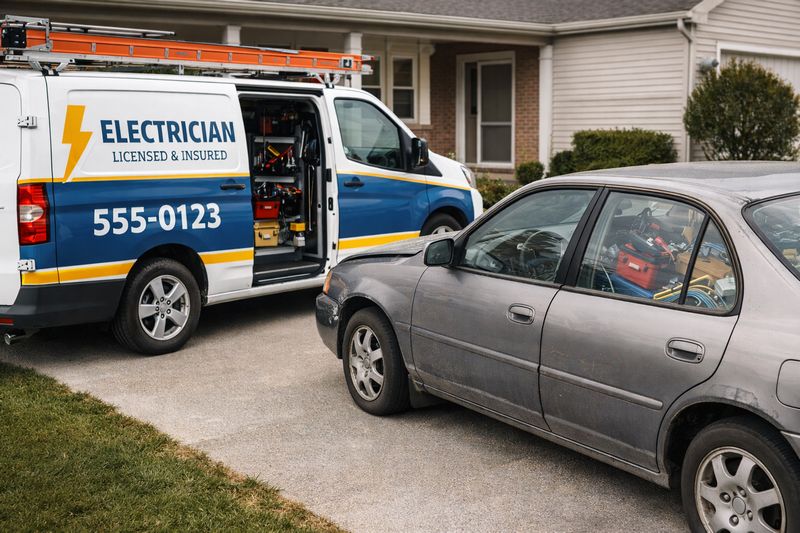
A company vehicle allows you to control the image your business presents to customers. It signals reliability, stability, and seriousness about your work.
Increasing brand awareness with branded vehicles
A vehicle can also act as a moving advertisement for your business.
Adding a simple logo, company name, phone number, or website to your vehicle turns it into a marketing tool. Every time you drive through a neighborhood or park near a job site, people see your brand.

For small local businesses, this type of advertising can be surprisingly effective. A landscaper, cleaning service, or delivery company may gain new customers simply because people repeatedly see their branded vehicle in the area.
Compared to many other forms of marketing, vehicle branding is relatively affordable and can promote your business for years.
Attracting employees and partners
A professional company vehicle can also make your business more attractive to employees and partners.
For example, delivery drivers or field technicians often prefer working for companies that provide reliable vehicles rather than expecting employees to use their own cars.
Providing a company vehicle shows that your business is organized and invested in its operations. It can also make it easier to hire skilled workers who rely on transportation for their daily tasks.
Business partners and clients may also take your company more seriously when they see that you operate with proper equipment and resources.
Customizing features for business needs
When you buy a vehicle specifically for business, you can choose one that fits your exact needs.
A delivery company may need cargo space and easy loading access. A contractor might require roof racks or tool storage. A real estate agent may prefer a comfortable, fuel-efficient sedan for client meetings.
Owning a dedicated business vehicle allows you to install the equipment, technology, or storage solutions that make your work easier.
This level of customization improves efficiency and can save time during busy workdays.
Pros and Cons of Buying a Car for Business
While owning a business vehicle offers many advantages, it is not always the perfect solution for every company. Before making a purchase, it is important to look at both the benefits and the potential drawbacks.
Understanding the full picture helps business owners make smarter financial decisions.
Pros of buying a business vehicle
A company vehicle can bring several practical advantages for small businesses.
First, it creates a clear separation between personal and business expenses. This makes accounting and tax reporting much easier.
Second, it allows businesses to choose a vehicle that truly fits their operational needs. Instead of adapting your personal car for work, you can select a model designed for your daily tasks.
Third, it can improve professionalism and customer trust. Clients often feel more comfortable working with businesses that appear organized and well equipped.
Finally, buying a used vehicle—especially through auto auctions—can make this investment surprisingly affordable. Many businesses find reliable work vehicles at a fraction of traditional dealership prices.
Cons and potential drawbacks
Despite the benefits, buying a vehicle for your business also comes with responsibilities.
The most obvious challenge is the upfront cost. Even when purchasing a used car, the business must handle the purchase price, registration fees, insurance, and ongoing maintenance.
Another factor is administrative complexity. Depending on how the vehicle is owned—through an LLC, sole proprietorship, or corporation—there may be additional paperwork, accounting requirements, and tax considerations.
There is also the issue of depreciation. Vehicles lose value over time, and this affects the overall financial return of the purchase.
Should You Buy a Car Through Your Business?
Many small business owners eventually face the same question: should the vehicle be owned by the business or personally? There is no single answer that works for everyone. The right choice depends on how often the car will be used for work, how your business is structured, and how you manage taxes and expenses.
For example, a contractor who drives to job sites every day may benefit from owning the vehicle through the business. Meanwhile, a freelance designer who occasionally visits clients might find it easier to keep the car in their personal name.
Understanding when each option makes sense can help you avoid unnecessary costs and administrative headaches.
When It’s Better to Buy Under the Business Name
Buying a vehicle under the business name often makes sense when the car is used primarily for work. If most of the miles you drive are related to your business, keeping the vehicle in the company’s name can simplify accounting and tax reporting.
For example, imagine a small plumbing company. The owner uses a van daily to transport tools, visit job sites, and pick up supplies. In this situation, registering the vehicle under the business helps clearly separate work expenses from personal spending.
Another common case is delivery services. If drivers are constantly on the road delivering packages or food, the vehicle becomes a core part of business operations. Owning the car through the company allows the business to track costs like fuel, maintenance, and insurance more accurately.
Business ownership can also help limit liability in some situations. If the company owns the vehicle, certain legal responsibilities may fall on the business rather than the individual owner. This is particularly relevant for businesses with employees who drive company vehicles.
Finally, buying through the business may allow you to take advantage of certain tax deductions related to business vehicle expenses. However, these benefits depend on local tax rules and how the vehicle is used.
When Personal Ownership May Make More Sense
In some cases, keeping the vehicle in your personal name is actually the simpler and more practical option.
This is often true when the car is used for both personal and business activities. For example, a small business owner might use the same vehicle to attend client meetings, run personal errands, and drive family members around town.
If business use is occasional rather than daily, personal ownership may reduce paperwork and simplify tax reporting. Instead of tracking every expense related to the vehicle, you may only need to record business mileage and apply a standard mileage deduction.
Personal ownership can also make sense for new businesses that are just starting out. Many startups operate with limited budgets and minimal administrative resources. Keeping the vehicle personal at first may allow the owner to focus on growing the business without dealing with additional registration or accounting requirements.
Another practical reason is flexibility. If your business changes direction or closes, transferring or selling a personally owned vehicle is often simpler than handling assets owned by a company.
Business vs. Personal Use: What You Must Know
One of the most important things to understand when buying a vehicle for business is how its usage affects taxes, insurance, and record keeping.
A vehicle used strictly for business is usually treated differently from one that mixes business and personal driving. If a car is owned by the business but frequently used for personal trips, that personal use may need to be reported as a taxable benefit.
For example, imagine a small delivery company that owns a van. If the owner also uses the van for weekend trips or family errands, those miles may need to be tracked and reported separately.
Accurate mileage tracking becomes extremely important in these situations. Many business owners keep a simple mileage log or use a mobile app that records when and why a trip was made.
Insurance is another factor. Commercial auto insurance policies are designed for business-related risks, such as employees driving company vehicles or transporting equipment. Personal insurance policies may not cover certain business activities.
Choosing the Right Ownership Structure
Before buying a vehicle for your business, it is important to decide who will actually own the car. The ownership structure affects taxes, liability, paperwork, and even how easy it is to sell the vehicle later.
Many small business owners focus only on the purchase price, but the legal structure behind the purchase can have long-term financial consequences. A vehicle owned by an LLC is treated differently than one owned by a sole proprietor or corporation.
For example, a freelance photographer who operates under their own name may handle vehicle ownership very differently from a construction company with several employees and partners.
Understanding how each structure works will help you choose the option that fits your business goals and keeps costs manageable.
Owning a Vehicle as an LLC
Limited Liability Companies (LLCs) are one of the most common business structures for small businesses. When an LLC buys a vehicle, the company itself becomes the legal owner.
This approach offers a clear separation between personal and business assets. If the vehicle is involved in a work-related incident, the liability generally stays within the business rather than affecting the owner’s personal assets.
For example, imagine a small landscaping company organized as an LLC. The company buys a pickup truck used for transporting equipment and employees. Because the vehicle is owned by the LLC, it is treated as a business asset and its expenses can be recorded directly in the company’s accounting.
This structure can simplify tax deductions related to fuel, maintenance, and depreciation. It also makes it easier to track how the vehicle contributes to business operations.
However, there are also some responsibilities. The vehicle must usually be registered in the company’s name, and the business may need commercial auto insurance. Proper bookkeeping is also important to clearly document how the vehicle is used.
Owning a Vehicle as a Sole Proprietor
Many small businesses operate as sole proprietorships. In this structure, the business and the owner are legally the same entity.
Because of this, vehicles used for the business are often owned personally rather than under a separate business name. The owner simply records business-related driving expenses for tax purposes.
For example, a freelance web developer may occasionally drive to client meetings or coworking spaces. Instead of registering the vehicle under a business entity, they may keep it as a personal car and track business mileage.
This approach is usually simpler. There is less paperwork and fewer administrative requirements compared to an LLC or corporation.
However, the downside is that there is no legal separation between the owner and the business. If the vehicle is involved in an accident during work activities, the owner may be personally responsible for certain liabilities.
For many small businesses, especially those with limited driving needs, this trade-off may still be worth the simplicity.
Partnerships and Corporations: Special Considerations
Businesses with multiple owners or more formal structures often handle vehicle ownership differently.
In partnerships, the vehicle may be owned by the partnership itself or by one of the partners who is reimbursed for business use. The decision usually depends on how frequently the vehicle is used for company activities and how expenses are shared.
Corporations typically treat vehicles as company assets. This means the business purchases, registers, and insures the vehicle under the corporate name.
For example, a small delivery company structured as a corporation might own several vans used by employees. These vehicles are managed as part of the company’s equipment and operating expenses.
However, corporations must carefully track personal use. If employees or company owners use a corporate vehicle for personal trips, this may be considered a taxable benefit.
Because these structures involve more formal accounting and legal requirements, many businesses consult accountants or legal advisors before purchasing vehicles under corporate ownership.
How Ownership Impacts Liability and Taxes
The ownership structure of a vehicle directly affects both liability and taxation.
From a liability perspective, owning a vehicle through a business entity like an LLC or corporation can provide an extra layer of protection. If an accident occurs while the vehicle is being used for business purposes, legal responsibility may fall on the company rather than the individual owner.
However, this protection only works if the business and personal finances are clearly separated. Mixing personal and business use without proper records can weaken that protection.
Taxes are another major factor. Vehicles owned by a business may qualify for deductions related to depreciation, maintenance, insurance, and fuel. In some cases, businesses may also benefit from specific tax provisions designed to encourage investment in equipment.
On the other hand, if a vehicle is owned personally, the owner may instead claim deductions based on business mileage.
Each method has advantages depending on how the vehicle is used. The key is keeping detailed records and choosing the structure that matches your business operations.
How Vehicle Ownership Affects Business Resale or Exit Strategy
Vehicle ownership can also affect what happens if you decide to sell your business or step away from it.
If the vehicle is owned by the business, it becomes part of the company’s assets. This can increase the overall value of the business when selling it to a new owner. For example, a cleaning company that includes branded vans as part of the sale may appear more attractive to buyers.
In contrast, if the vehicle is personally owned, it is not included in the business sale unless you decide to sell it separately.
There are also situations where separating the vehicle from the business may make an exit easier. For instance, a consultant who sells their client list and brand may prefer to keep their personal vehicle rather than transfer ownership.
Work Out Your Business Needs First
Before choosing a specific vehicle, take a step back and think about how your business will actually use it. Many owners make the mistake of buying a car they personally like instead of one that truly fits their daily work.
A vehicle that works perfectly for a delivery service might be completely wrong for a real estate agent or a mobile repair technician. The goal is to match the vehicle to your business tasks so you avoid paying for features you do not need—or worse, ending up with a vehicle that slows down your work.
Answering a few practical questions first can help you narrow down the best type of vehicle and avoid expensive mistakes.
What Will You Use the Car For?
Start with the most important question: what role will the vehicle play in your business?
Some businesses rely on vehicles as essential tools. For example, contractors may need to transport heavy tools and materials to job sites. Delivery services need reliable vehicles that can handle long hours on the road. Mobile repair technicians may carry equipment and spare parts.
Other businesses use vehicles more for client meetings and transportation. A real estate agent, consultant, or photographer might mainly drive to appointments rather than carry equipment.
The type of work you do should guide your choice. A small cargo van might be perfect for a cleaning service, while a comfortable sedan may be better for professionals who frequently meet clients.
The clearer you define the vehicle’s purpose, the easier it becomes to choose the right model without overspending.
How Many Passengers Will You Carry?
Passenger capacity is another factor many business owners overlook.
If you usually work alone, a standard two- or five-seat vehicle may be enough. But if your business involves transporting employees, coworkers, or clients, you may need additional seating.
For example, a construction company may need space for several workers to travel together to job sites. A tour guide or transportation service may require a larger vehicle that can carry multiple passengers comfortably.
Choosing a vehicle with the right seating capacity improves efficiency and prevents situations where employees must use separate cars or make multiple trips.
Do You Need Cargo Space or Special Equipment?
Cargo space can make a huge difference in daily business operations.
Businesses that carry tools, products, or materials need enough room to transport everything safely and efficiently. Delivery services, for example, benefit from vans with large cargo areas and easy loading access.
A landscaper might need room for equipment like trimmers, blowers, or bags of soil. A catering company may require space for food containers and portable equipment.
In some cases, special modifications may also be necessary. Roof racks, tool storage systems, refrigeration units, or equipment mounts can all help customize a vehicle for business use.
Thinking about these needs early helps prevent buying a vehicle that cannot handle your workload.
How Often Will the Vehicle Be on the Road?
The frequency of use plays a major role in choosing the right vehicle.
If the car will be used occasionally—for example, a few client visits per week—then almost any reliable vehicle may work. Fuel economy and comfort may be the main priorities.
However, if the vehicle will spend most of the day on the road, reliability becomes extremely important. High-mileage businesses such as delivery services, rideshare operators, and field technicians should prioritize durability and low operating costs.
For example, a courier who drives hundreds of miles per week needs a vehicle with excellent fuel efficiency and affordable maintenance. Choosing the wrong car in this situation can lead to constant repairs and high fuel expenses.
The more time your vehicle spends working, the more important reliability and efficiency become.
Will Employees Drive the Vehicle?
If employees will be using the vehicle, this adds another layer of considerations.
First, the car should be easy and comfortable for different drivers to operate. Vehicles with good visibility, simple controls, and strong safety features are usually the best choice for shared use.
Second, durability becomes even more important. When multiple people use the same vehicle, wear and tear can happen faster.
For example, a small delivery company that assigns vans to several drivers should focus on vehicles known for reliability and low maintenance costs.
Insurance is another factor. If employees will drive the vehicle, your business may need commercial auto insurance that covers multiple drivers.
Choosing the Right Vehicle for Business Use
Once you clearly understand how your business will use the vehicle, the next step is choosing the right type of car. This decision affects your daily efficiency, operating costs, and even how customers perceive your business.
Many budget-focused business owners make the mistake of choosing a vehicle based only on the purchase price. While price matters, it should not be the only factor. Fuel consumption, maintenance costs, reliability, and resale value can have a much bigger impact over time.
The goal is to find a vehicle that helps your business run smoothly without draining your budget.
Choosing the Right Size
Vehicle size should match your actual business tasks.
Small businesses that mostly travel to meetings or client locations may only need a compact car or midsize sedan. These vehicles are easier to park, consume less fuel, and usually cost less to maintain.
However, businesses that transport tools, equipment, or goods may need something larger. Cargo vans, pickup trucks, or SUVs offer more space and flexibility.
For example, a freelance consultant visiting clients around the city may benefit from a small fuel-efficient sedan. Meanwhile, a contractor carrying ladders, toolboxes, and materials will likely need a pickup truck or cargo van.
Choosing the right size prevents unnecessary fuel costs while still giving your business the space it needs to operate efficiently.
Fuel Type: Gas, Hybrid, or Electric
Fuel type is another important decision that affects long-term costs.
Gasoline vehicles are still the most common choice. They are widely available, easier to repair, and usually cheaper to purchase upfront. For many small businesses, especially those buying used vehicles, gasoline cars remain the most practical option.
Hybrid vehicles combine a gasoline engine with an electric motor. They usually offer better fuel efficiency, especially for city driving with frequent stops. Businesses that drive a lot in urban areas may save money over time with a hybrid.
Electric vehicles (EVs) have the lowest fuel costs and require less maintenance since they have fewer moving parts. However, they can be more expensive to buy, and charging infrastructure may not always be convenient depending on your location.
The best option depends on your driving patterns and your budget.
Fuel Economy and Operating Costs
Fuel is one of the largest ongoing expenses for many businesses. Even a small difference in fuel economy can add up quickly if the vehicle is used frequently.
For example, imagine a delivery driver traveling hundreds of miles each week. A vehicle that saves even a few gallons of fuel per week can reduce costs significantly over a year.
Fuel efficiency is especially important for businesses that operate multiple vehicles or spend long hours on the road.
In addition to fuel, consider other operating costs such as routine maintenance, tire replacements, and repair frequency. Vehicles known for reliability often cost less to maintain in the long run.
Safety Features
Safety should always be a priority, especially if employees or clients will ride in the vehicle.
Modern vehicles offer many safety technologies that can reduce the risk of accidents. Features like backup cameras, blind-spot monitoring, lane-departure warnings, and automatic emergency braking can make driving safer.
For businesses that operate in busy urban areas or make frequent deliveries, these features can help prevent costly accidents.
Better safety also protects your employees and may help reduce insurance risks over time.
Practical and Business-Specific Features
Certain features can make a vehicle much more useful for specific types of businesses.
For example, delivery vehicles benefit from wide rear doors, low cargo floors, and easy loading access. Contractors may prefer vehicles with roof racks or built-in storage for tools.
Technology features can also improve productivity. GPS navigation systems, smartphone integration, and built-in connectivity can help drivers plan routes and stay connected with clients.
Even small features—like additional charging ports or interior storage compartments—can make everyday work easier.
Choosing a vehicle with the right practical features can save time and reduce frustration during busy workdays.
Brand Image and Aesthetics
The vehicle you drive can influence how customers see your business.
For businesses that interact directly with clients, appearance can matter. A clean, well-maintained vehicle helps create a professional image and builds trust.
For example, a real estate agent or consultant may prefer a comfortable and stylish sedan that makes a good impression during client meetings. A cleaning company or landscaping service may benefit from a neat van with company branding.
You do not need a luxury vehicle to look professional. Even an affordable used car can represent your business well if it is clean, reliable, and properly maintained.
Depreciation and Resale Value
Every vehicle loses value over time, but some lose value much faster than others.
Understanding depreciation can help you protect your investment. Vehicles with strong reliability records and high demand usually maintain their value better.
For example, popular trucks and practical work vans often hold their resale value well because many businesses need them.
Choosing a vehicle with good resale potential means you may recover more of your investment if you decide to sell or upgrade the vehicle later.
New vs. Used Vehicles for Business
Many business owners automatically assume they need a brand-new vehicle. In reality, used vehicles can often provide much better value.
New vehicles depreciate quickly during the first few years. This means a lightly used vehicle may offer nearly the same performance at a significantly lower price.
For small businesses trying to control expenses, buying used can free up money for other important investments such as marketing, equipment, or hiring employees.
The key is to choose a used vehicle with a reliable history and a good maintenance record.
Buy Reliable Used Vehicles for Your Company
Thousands of companies purchase reliable work vehicles from U.S. auto auctions every year. If you’re building a delivery service, contractor business, or mobile service company, buying used can significantly reduce startup costs.
- ✅ Lower prices than traditional dealerships
- ✅ Large selection of trucks, vans, and work vehicles
- ✅ Vehicle history reports available
- ✅ Support with purchase, transport, and export
Why Auction Cars Can Be a Smart Budget Option
Auto auctions can be one of the most affordable ways for businesses to purchase vehicles.
Many vehicles sold at auctions come from lease returns, fleet sales, insurance claims, or company upgrades. These cars are often available at prices well below traditional dealership listings.
For example, a small delivery startup might purchase several vans from an auction at a fraction of the price of buying new ones. A contractor might find a reliable pickup truck for thousands of dollars less than retail value.
Of course, auction buying requires careful research. Reviewing vehicle history reports, checking damage records, and understanding repair costs are all important steps.
Buying vs. Leasing a Business Vehicle
When a business needs a vehicle, one of the first decisions is whether to buy or lease. Both options can work well depending on the company’s financial situation, long-term plans, and how the vehicle will be used.
For budget-focused business owners, this decision is especially important. The wrong choice can lock the business into unnecessary monthly payments or limit how the vehicle can be used.
Buying usually means higher upfront costs but more control. Leasing typically requires less money at the beginning but comes with restrictions and ongoing payments.
Understanding how each option works will help you choose the solution that fits your business and keeps your costs predictable.
Advantages of Buying
Buying a vehicle gives your business full ownership. Once the vehicle is paid off, it becomes a company asset that you can keep, modify, or sell whenever you choose.
One major advantage is long-term cost savings. While buying may require a larger upfront investment, you eventually stop making payments. After that point, your only expenses are insurance, fuel, and maintenance.
Ownership also gives you complete flexibility. You can drive as many miles as needed, customize the vehicle with business equipment, or apply branding like logos and vehicle wraps.
For example, a contractor may need to install ladder racks, tool storage systems, or towing equipment. These modifications are usually much easier with an owned vehicle than with a leased one.
Another advantage is resale value. Even after several years of use, the vehicle can still be sold or traded in. Many businesses recover part of their investment when upgrading to a newer vehicle.
For companies trying to control long-term costs, buying a reliable used vehicle—especially from an auto auction—can be one of the most affordable options.
Advantages of Leasing
Leasing works more like renting a vehicle for a fixed period, usually two to four years. Instead of paying the full purchase price, the business pays monthly installments for the vehicle’s depreciation during the lease term.
The biggest benefit of leasing is lower upfront cost. Monthly payments are often smaller than loan payments for buying a new vehicle. This can help businesses preserve cash for other priorities like hiring employees or marketing.
Leasing also allows businesses to drive newer vehicles more frequently. When the lease ends, the company can return the vehicle and upgrade to a newer model with updated technology and safety features.
Maintenance costs may also be lower during the lease period because the vehicle is usually newer and often covered by the manufacturer’s warranty.
For businesses that prioritize having modern vehicles and predictable monthly expenses, leasing can be an attractive option.
Long-Term Cost Comparison
Although leasing may seem cheaper at first, the long-term costs can be higher.
When you lease a vehicle, you never actually own it. Once the lease term ends, the business must either start a new lease or purchase a vehicle separately. This means the monthly payments can continue indefinitely.
Buying, on the other hand, creates long-term value. Once the loan is paid off, the business owns the vehicle outright and can continue using it without monthly payments.
For example, imagine a small delivery company that needs a van for daily operations. If the business leases a van every three years, it will always have a monthly payment. If it buys a reliable used van and keeps it for several years, the total cost may be much lower.
However, buying also comes with responsibility for repairs as the vehicle ages. This is why choosing a reliable model with affordable maintenance costs is so important.
When Leasing Makes More Sense for Startups
Leasing can make sense in certain situations, especially for new businesses with limited capital.
Startups often need to manage cash carefully during the early stages. Leasing allows them to get a professional vehicle without making a large upfront investment.
For example, a new real estate agency may want a modern vehicle to meet clients but may not have the budget to purchase one outright. Leasing can provide a newer car with manageable monthly payments.
Leasing may also work well for businesses that want to regularly upgrade their vehicles to maintain a modern image.
However, startups should pay close attention to lease terms. Many leases include mileage limits, restrictions on modifications, and fees for excessive wear and tear.
For businesses that expect heavy daily use—such as delivery services or field repair companies—these restrictions may make leasing less practical.
Set a Realistic Budget
One of the most common mistakes business owners make when buying a vehicle is focusing only on the purchase price. The sticker price is just the beginning. A vehicle will generate expenses every month, and these costs can add up quickly if they are not planned in advance.
For budget-focused entrepreneurs, setting a realistic budget is essential. The goal is to choose a vehicle that helps your business grow without creating financial pressure.
Before making a purchase, it is important to look at the total cost of ownership, understand how much your business can comfortably afford, and use smart strategies to secure the best possible price.
Calculate the Total Cost of Ownership
The total cost of ownership includes every expense related to owning and operating the vehicle. Looking at this bigger picture helps prevent unpleasant surprises after the purchase.
Purchase price
The purchase price is the most obvious cost. It includes the amount you pay to buy the vehicle or the loan you take to finance it.
For small businesses, keeping the purchase price reasonable is important. Spending too much on a vehicle can limit your ability to invest in other parts of the business, such as marketing, tools, or hiring staff.
Many business owners reduce this cost by buying used vehicles or auction vehicles, which often offer significantly lower prices than traditional dealerships.
Taxes and registration fees
When purchasing a vehicle, you will usually need to pay taxes, title transfer fees, and registration costs. These fees vary depending on location and vehicle value.
Although these costs may seem small compared to the purchase price, they can still add hundreds or even thousands of dollars to the final bill. It is important to include them in your budget before committing to a purchase.
Insurance costs
Insurance is another major expense, especially for vehicles used for business purposes.
Businesses often need commercial auto insurance, which may cost more than a personal policy because it covers additional risks. The price depends on several factors, including the vehicle type, driver history, and how the vehicle will be used.
For example, a delivery vehicle used daily may have higher insurance costs than a sedan used occasionally for client meetings.
Understanding insurance costs ahead of time helps avoid surprises once the vehicle is registered.
Maintenance and repairs
All vehicles require regular maintenance, including oil changes, brake replacements, tire rotations, and inspections.
Used vehicles may also need occasional repairs. Choosing a reliable model with affordable parts can significantly reduce these expenses.
For example, a small delivery business that relies on its vehicle every day cannot afford constant breakdowns. Investing in a dependable vehicle often saves money over time by reducing repair costs and downtime.
Fuel and operating costs
Fuel is one of the largest ongoing expenses for many businesses.
A vehicle with poor fuel economy can significantly increase operating costs, especially for businesses that spend long hours on the road. Delivery drivers, field technicians, and mobile service providers may drive hundreds or even thousands of miles each month.
Choosing a fuel-efficient vehicle can reduce these costs and help your business maintain a predictable operating budget.
Depreciation
Depreciation refers to the loss of value that occurs as a vehicle ages.
New vehicles typically lose value quickly during the first few years. This is one reason many budget-conscious business owners prefer lightly used vehicles.
Understanding depreciation is important because it affects how much money you can recover if you decide to sell or trade in the vehicle later.
Choosing models known for strong resale value can help protect your investment.
How Much Can Your Business Afford?
Once you understand the full cost of ownership, the next step is determining how much your business can realistically afford.
A good rule is to choose a vehicle that fits comfortably within your current financial situation rather than stretching your budget to the limit.
For example, a small landscaping company may be tempted to buy a brand-new truck with many features. However, if that purchase leaves little cash for equipment or marketing, it may slow down the business instead of helping it grow.
A more affordable used truck may allow the business to keep extra funds available for tools, advertising, or hiring additional workers.
The best vehicle is not always the most impressive one—it is the one that supports your business without creating financial stress.
Ensuring You Get the Best Possible Price
Smart buyers rarely accept the first price they see. Taking time to research and compare options can lead to significant savings.
Start by looking at multiple vehicles that meet your needs. Compare prices from dealerships, private sellers, and online auto auctions.
Vehicle history reports are also extremely important when buying used cars. They help you check for previous accidents, title issues, and major repairs.
Another useful strategy is to research the typical market value of the vehicle model you are considering. This helps you recognize a good deal and avoid overpaying.
Patience often pays off. Waiting for the right opportunity can save thousands of dollars.
Negotiation Tips and Auction Strategies
Negotiation can make a big difference when buying a vehicle. Many sellers expect buyers to negotiate, especially in the used vehicle market.
Start by setting a clear maximum budget and avoid exceeding it. It is easy to get caught up in the excitement of buying a vehicle, but discipline helps protect your finances.
When negotiating with sellers, focus on facts such as vehicle condition, mileage, and market prices. If the car requires repairs or maintenance, these points can help justify a lower offer.
Auto auctions require a slightly different strategy. Prices at auctions can move quickly, so preparation is important. Research vehicles in advance, review their history reports, and set a strict bidding limit.
For example, a small delivery startup might attend an auction looking for reliable vans. By setting a maximum bid and sticking to it, the company can secure a good deal without overspending.
Financing a Business Vehicle
Not every business can or should pay for a vehicle upfront. For many companies, financing is a practical way to get the vehicle they need while keeping cash available for daily operations.
Whether you choose to pay cash, take a business auto loan, or lease a vehicle, the financing method you choose can affect your monthly expenses, cash flow, and long-term financial flexibility.
Before making a decision, it is important to understand how each option works and what lenders typically require from business owners.
Paying Cash vs. Financing
Paying cash is the simplest way to buy a business vehicle. There are no monthly payments, no interest charges, and no loan approval process. Once the purchase is complete, the vehicle belongs entirely to the business.
For example, a small contractor who buys a used pickup truck with cash avoids monthly payments and reduces long-term costs. This approach can be very attractive for businesses that want to keep expenses predictable.
However, paying cash also means using a large amount of money at once. For startups or small businesses, this could reduce funds available for marketing, equipment, inventory, or hiring employees.
Financing spreads the cost of the vehicle over several months or years. Instead of paying the full price immediately, the business makes regular monthly payments.
This can help protect cash flow, which is especially important for growing businesses. The downside is that financing includes interest, which increases the total cost of the vehicle over time.
For many budget-focused owners, the best solution is finding a balance—choosing an affordable vehicle and financing only what the business can comfortably repay.
Business Auto Loans
Business auto loans are one of the most common ways to finance a company vehicle.
With this type of loan, a lender provides the money needed to purchase the vehicle, and the business repays the loan over time with interest. The vehicle itself usually serves as collateral for the loan.
Loan terms often range from three to seven years. Monthly payments depend on several factors, including the vehicle price, down payment, interest rate, and loan length.
For example, a small delivery business might take a loan to purchase several vans needed for daily operations. Instead of paying the full amount upfront, the company spreads the cost across manageable monthly payments.
Some lenders specialize in small business financing, while others offer auto loans through banks, credit unions, or online lenders.
Comparing offers from multiple lenders can help businesses secure better interest rates and lower monthly payments.
Leasing Options
Leasing is another financing option that allows businesses to use a vehicle without purchasing it outright.
When a company leases a vehicle, it pays monthly installments to use the car for a set period, typically two to four years. At the end of the lease, the vehicle is usually returned to the leasing company, though some agreements offer a buyout option.
Leasing often requires lower upfront costs than buying and may offer lower monthly payments compared to traditional loans.
This option can work well for businesses that want newer vehicles with modern technology and minimal maintenance concerns.
For example, a consulting firm that frequently meets clients may prefer leasing a newer sedan to maintain a professional image.
However, leasing also comes with limitations. Many leases include mileage restrictions, limits on modifications, and additional fees for excessive wear and tear.
Businesses that expect heavy daily use—such as delivery services or contractors—should carefully review these conditions before choosing a lease.
Documents Lenders May Require
When applying for a business vehicle loan, lenders typically request several documents to evaluate the business’s financial health.
These documents help lenders determine whether the business can reliably repay the loan.
Common documents include:
- Business registration or formation documents
- Employer Identification Number (EIN)
- Business bank statements
- Financial statements or profit-and-loss reports
- Personal identification for the business owner
- Personal or business tax returns
Startups or very small businesses may also need to provide personal financial information, especially if the business does not yet have an established credit history.
Preparing these documents in advance can make the loan approval process faster and smoother.
How Your Business Credit Score Affects Approval
Your business credit score can play a major role in whether your loan application is approved and what interest rate you receive.
Lenders use credit scores to evaluate how risky it is to lend money to a business. A higher credit score generally leads to better loan terms, including lower interest rates and higher approval chances.
New businesses sometimes have limited credit history. In these cases, lenders may look at the personal credit score of the business owner instead.
For example, a startup delivery company may not yet have an established business credit record. The lender might rely on the owner’s personal credit history to evaluate the loan application.
Maintaining good credit—paying bills on time, managing debt carefully, and keeping financial records organized—can make it much easier to finance vehicles in the future.
Registering the Car in the Business Name
After purchasing a vehicle for your company, the next step is registering it under the business name. This step is important because it legally connects the vehicle to the company instead of the individual owner.
Registering the vehicle correctly helps establish clear ownership, simplifies accounting, and may support tax deductions related to business use. It also ensures that insurance policies, liability coverage, and company records match the legal owner of the vehicle.
While the process can vary depending on the state where the vehicle is registered, the general steps are similar across the United States.
Required Documents
To register a vehicle in a business name, you will typically need several documents that confirm both the vehicle purchase and the legal status of the business.
Commonly required documents include:
- The vehicle title signed over to the business
- Bill of sale or purchase agreement
- Business registration documents
- Employer Identification Number (EIN)
- Identification of the business owner or authorized representative
- Proof of insurance
For example, if a small landscaping company purchases a pickup truck through an auction, the owner must provide proof that the business legally exists before the vehicle can be registered under the company name.
Having these documents prepared in advance can help avoid delays during registration.
State Registration Rules
Vehicle registration rules are determined at the state level, which means the exact process may differ depending on where the vehicle is registered.
Some states may require additional paperwork for business-owned vehicles, while others may require proof that the vehicle will be used for commercial purposes.
Fees can also vary. Registration costs may depend on factors such as the vehicle’s weight, age, value, or intended use.
For example, a cargo van used for deliveries may have different registration requirements than a small sedan used for occasional business meetings.
Because of these differences, business owners should check the specific rules of the state where the vehicle will be registered before completing the process.
Title and Ownership Transfer
The vehicle title is the legal document that proves ownership. When a business purchases a vehicle, the title must be transferred from the previous owner to the company.
This process typically involves signing the existing title, submitting the bill of sale, and completing a title transfer application through the state’s motor vehicle department.
Once the transfer is approved, a new title is issued listing the business as the legal owner.
For example, if a small delivery company buys a van from an auto auction, the title will be transferred directly to the company rather than to the individual owner.
Making sure the title is correctly issued in the business name helps protect the owner from personal liability and keeps ownership records clear.
Adding the Vehicle to Company Records
After registration and title transfer are complete, the vehicle should also be added to the company’s internal records.
This step is important for accounting, tax reporting, and asset management.
Most businesses record key details such as:
- Purchase price
- Date of purchase
- Vehicle identification number (VIN)
- Registration details
- Insurance information
- Maintenance history
Tracking this information helps businesses monitor vehicle expenses and accurately report costs during tax season.
For example, if a company claims tax deductions for vehicle use, accurate records of mileage, repairs, and operating costs will support those claims.
Business Car Insurance Explained
Having the right insurance is essential when you own a vehicle through your business. Unlike personal car insurance, business car insurance is specifically designed to cover vehicles used for work purposes, protecting your company from potential financial losses in case of accidents, theft, or damage.
For budget-conscious business owners, understanding commercial auto insurance is crucial. Choosing the right coverage can save money, reduce liability risks, and ensure compliance with state and industry regulations.
Commercial Auto Insurance Basics
Commercial auto insurance is a policy that covers vehicles owned or used by a business. Unlike personal insurance, it takes into account the vehicle’s use for work, including transporting goods, carrying employees, or visiting clients.
Policies can cover liability, property damage, and medical expenses if someone is injured in an accident involving your business vehicle. They may also protect against theft, fire, or vandalism.
For example, a small landscaping company with a work truck must have insurance that covers accidents occurring while transporting tools and materials to a job site. Personal auto insurance would likely not provide coverage in this scenario.
Commercial auto insurance is typically required if your vehicle is registered in the business name, carries multiple employees, or is used for client-facing services.
Coverage Types You May Need
There are several types of coverage to consider when insuring a business vehicle:
- Liability Coverage – Covers bodily injury and property damage caused to others if your driver is at fault. Essential for any business vehicle.
- Collision Coverage – Pays for damage to your vehicle resulting from an accident, regardless of who is at fault.
- Comprehensive Coverage – Protects against non-collision events like theft, fire, vandalism, or natural disasters.
- Uninsured/Underinsured Motorist Coverage – Provides protection if your vehicle is hit by a driver without sufficient insurance.
- Medical Payments Coverage – Covers medical expenses for drivers or passengers injured in an accident.
Choosing the right combination depends on your vehicle type, usage, and business risks. For example, a delivery van operating in a busy city may need higher liability limits and collision coverage, while a real estate agent’s sedan may require basic liability and comprehensive protection.
Adding Employees as Drivers
If your employees will drive the business vehicle, it’s important to add them as authorized drivers on your insurance policy.
Failing to do so can lead to denied claims if an accident occurs. Most insurers require details such as each employee’s driving history, age, and license status.
For example, a small courier company may assign several drivers to the same van. By listing each employee on the policy, the business ensures that coverage applies during all work-related trips.
It’s also a good idea to establish clear vehicle usage policies, including safety rules and restrictions on personal use, to minimize risk and protect your insurance coverage.
How to Lower Your Insurance Costs
Insurance costs for business vehicles can be significant, but there are several ways to reduce them without compromising coverage:
- Shop Around – Compare quotes from multiple insurers to find competitive rates.
- Bundle Policies – Some insurers offer discounts if you combine commercial auto insurance with other business policies.
- Maintain Good Driving Records – Drivers with clean records reduce the risk for the insurer, lowering premiums.
- Choose a Safe Vehicle – Cars with advanced safety features and low theft rates often have lower insurance costs.
- Limit Personal Use – Clearly defining the vehicle as business-only can reduce premiums.
- Increase Deductibles – A higher deductible can lower monthly premiums, though it increases out-of-pocket costs if an accident occurs.
Tax Deductions and Benefits Explained
Owning a business vehicle comes with opportunities to reduce your tax liability through deductions. Understanding the available options helps budget-conscious business owners maximize savings while staying compliant with IRS rules.
Tax deductions can cover vehicle-related expenses such as fuel, maintenance, insurance, and depreciation. Choosing the right method and keeping accurate records ensures that your business claims every eligible deduction without triggering an audit.
Standard Mileage Rate Method
The standard mileage rate method allows businesses to deduct a fixed amount per mile driven for business purposes. The IRS updates this rate annually, and it includes fuel, maintenance, and depreciation costs in one simplified calculation.
For example, if a small consultant drives 10,000 business miles in a year and the IRS mileage rate is $0.65 per mile, the deductible amount would be $6,500.
This method is easy to track and requires minimal paperwork. However, it is typically only available for vehicles used primarily for business and may not be ideal if the actual expenses are high.
Actual Expense Method
The actual expense method calculates deductions based on the true costs of operating a business vehicle. This can include:
- Fuel and oil
- Maintenance and repairs
- Insurance premiums
- Registration fees and taxes
- Depreciation
For example, a delivery company may spend $8,000 annually on fuel, $2,000 on maintenance, and $1,500 on insurance for a single van. Using the actual expense method, the business could potentially deduct all these costs if the vehicle is used 100% for business purposes.
This method requires more detailed record-keeping but can result in larger deductions, especially for high-cost or heavily used vehicles.
Section 179 Deduction Overview
Section 179 allows businesses to deduct the full purchase price of qualifying vehicles in the year they are placed into service, rather than depreciating the cost over several years.
For example, if a small contracting company buys a new van for $30,000, Section 179 may allow the business to deduct the full $30,000 in the same year, significantly reducing taxable income.
There are limits and requirements: the vehicle must be used for business purposes more than 50% of the time, and there is a maximum deduction allowed per year. Some larger vehicles, like heavy-duty trucks or vans, may qualify for higher limits.
Section 179 can be a powerful tool for budget-conscious owners who want to reduce tax liability quickly.
Record-Keeping Requirements
Accurate records are critical to claiming vehicle-related deductions legally. Without proper documentation, deductions may be denied during an IRS audit.
Businesses should track:
- Mileage logs for business vs. personal use
- Fuel receipts
- Maintenance and repair invoices
- Insurance premiums and registration fees
- Purchase documents and depreciation schedules
Digital tools and apps can simplify tracking mileage and expenses, making it easier to separate personal and business use.
For example, a small delivery business can use a smartphone app to automatically log business miles, ensuring the deduction claims are accurate and defensible.
How to Maximize Deductions Legally
To get the most from vehicle-related tax deductions, follow these best practices:
- Separate personal and business use – Only expenses for business purposes are deductible.
- Choose the right deduction method – Compare standard mileage vs. actual expenses to see which results in a larger deduction.
- Keep detailed records – Maintain receipts, logs, and supporting documentation for all vehicle-related expenses.
- Use Section 179 strategically – Consider timing vehicle purchases to maximize deductions in profitable years.
- Stay compliant – Follow IRS rules and limits carefully to avoid penalties.
Handling Personal Use of a Business Vehicle
When a business owns a vehicle, it’s important to clearly separate business use from personal use. Mixing the two without proper tracking can lead to tax complications, higher insurance risk, or disputes over expenses. Budget-conscious business owners need a simple system to ensure that personal trips don’t reduce the financial benefits of having a company vehicle.
Properly managing personal use protects your tax deductions, keeps accounting accurate, and helps maintain compliance with IRS rules.
Tracking Business vs. Personal Miles
The first step in handling personal use is tracking mileage. Accurate logs help determine which expenses are deductible and which are not.
Businesses should maintain a mileage log that records:
- Date of each trip
- Purpose of the trip (client meeting, delivery, office errand, etc.)
- Starting and ending odometer readings
- Total miles driven
Digital apps or GPS trackers can automate this process, making it easier to maintain accuracy and consistency. For example, a small consulting firm might use an app that automatically classifies trips as business or personal, eliminating manual record-keeping errors.
Tracking mileage carefully ensures that only the portion of expenses related to business travel is claimed for tax purposes.
Reimbursement Policies
If employees use a business vehicle for personal trips or use their own vehicle for work, it’s essential to have clear reimbursement policies.
A reimbursement policy defines how employees are compensated for business use of their personal vehicles, or how personal use of company vehicles is accounted for. This protects both the business and the employee from misunderstandings or unexpected tax consequences.
For example, an employee might be allowed to use the company car for a short personal errand but reimbursed for fuel consumed, or personal use may be limited to commuting only. Clear rules reduce risk and make accounting simpler.
Having documented policies also makes it easier to defend deductions in case of IRS audits, as it shows the business treats personal and business use separately.
Tax Implications of Mixed Use
Mixed use of a business vehicle—using it for both personal and business purposes—affects which expenses can be deducted on taxes.
- Business-related expenses such as fuel, insurance, and maintenance are fully deductible for business use.
- Personal use portion is not deductible and may be considered taxable income to the employee if they are driving the vehicle.
The IRS requires businesses to allocate expenses based on the percentage of business use. For instance, if a van is used 70% for business and 30% for personal trips, only 70% of the costs are deductible.
Failing to separate personal and business use can lead to denied deductions, additional taxes, and penalties.
Essential Add-Ons and Customizations
Choosing the right vehicle for your business is only part of the equation. Equipping it with the right add-ons and customizations can increase efficiency, improve safety, and enhance your brand image. For budget-conscious business owners, strategic upgrades can make a vehicle work harder without breaking the bank.
From practical tools to marketing assets, thoughtful customizations ensure your business vehicle serves multiple purposes beyond simple transportation.
Business-Specific Equipment
Depending on your industry, specialized equipment can turn a standard vehicle into a powerful business tool.
For example:
- Contractors may add ladder racks, toolboxes, or storage organizers to pickup trucks.
- Delivery businesses may install shelving or cargo partitions in vans to safely transport packages.
- Mobile service providers, like pet groomers or cleaning businesses, may need custom interiors for equipment and supplies.
These add-ons improve efficiency, reduce damage to tools and goods, and allow employees to work faster and safer. Choosing durable, affordable equipment keeps costs reasonable while boosting productivity.
Technology and Tracking Systems
Modern technology can help businesses monitor vehicles, improve route planning, and reduce operating costs.
GPS tracking systems allow you to know where vehicles are in real time, helping optimize routes and save fuel. Fleet management software can track mileage, fuel consumption, and maintenance schedules.
For example, a small delivery startup can use a GPS tracker to prevent missed deliveries and reduce idle time. Similarly, mobile apps that log vehicle mileage automatically simplify tax record-keeping for business deductions.
Technology upgrades may require an initial investment but often pay off by saving time, lowering fuel costs, and preventing unnecessary wear and tear.
Branding and Vehicle Wraps
A business vehicle is also a moving advertisement. Adding your company logo, contact information, or full vehicle wraps can help increase brand awareness wherever the vehicle travels.
For instance, a small landscaping company with a branded pickup truck not only transports equipment but also markets services while driving around town. Even modest decals can attract new customers and build credibility.
Professional-looking branding is more cost-effective than traditional advertising and turns your vehicle into a marketing asset that works 24/7.
Safety Upgrades
Safety should never be overlooked, especially for vehicles carrying employees or expensive equipment.
Consider adding:
- Backup cameras or parking sensors
- Blind-spot monitoring systems
- Additional lighting for work areas
- Anti-theft devices
These upgrades reduce accident risk, protect your team and cargo, and may even lower insurance premiums over time.
For example, a small courier service may install rear cameras and extra lighting in a delivery van. This makes loading safer and prevents costly accidents, protecting both the driver and the business’s bottom line.
Common Mistakes to Avoid When Buying a Company Car
Buying a company vehicle can be a smart investment for your business, but mistakes can quickly turn a good deal into a costly problem. Budget-conscious owners must approach the process carefully, considering not just the purchase price, but the vehicle’s overall suitability, ongoing costs, and legal implications. Being aware of common pitfalls helps you make a smarter, safer purchase.
Buying a Vehicle That Doesn’t Fit Your Needs
One of the biggest mistakes is choosing a vehicle that looks appealing but doesn’t meet your business requirements. Size, cargo space, passenger capacity, and specialized features should all match your day-to-day operations.
For example, a small catering company might be tempted by a stylish sedan, but it won’t carry equipment or food safely. A cargo van or a small truck would better suit the business needs, avoiding repeated trips or damage to supplies.
Buying a Car Your Business Can’t Afford
Overspending on a vehicle can strain a business’s finances. Even if a car seems like a good investment, monthly payments, maintenance, and fuel costs can quickly add up.
For instance, a startup delivery service that buys a brand-new luxury van may struggle to cover other business expenses, such as payroll, fuel, or marketing. Staying within a realistic budget ensures that your company remains financially stable.
Ignoring Total Ownership Costs
Focusing only on the sticker price is a common trap. Total ownership costs include fuel, insurance, registration, maintenance, and depreciation.
A vehicle with a low purchase price may have expensive repairs or poor fuel economy, making it far more costly in the long run. Calculating the full cost of ownership helps prevent budget surprises.
Underestimating Repair and Maintenance Costs
All vehicles require upkeep, but some models are more expensive to maintain than others. Skipping research on repair costs can lead to unexpected financial burdens.
For example, importing replacement parts for a foreign vehicle or dealing with complex electronics on a high-end van can quickly eat into your budget. Choosing a reliable model with affordable parts is crucial for long-term savings.
Buying a Vehicle With Hidden Damage
Used vehicles, especially those from auctions, can carry hidden issues like frame damage, engine problems, or previous accidents. Failing to inspect the vehicle thoroughly can lead to expensive repairs later.
A pre-purchase inspection by a trusted mechanic, along with reviewing vehicle history reports, helps detect issues before you commit to the purchase.
Paying Too Much
Overpaying is another mistake that hits tight budgets hard. Sellers often price vehicles higher than market value, expecting negotiations.
Researching comparable vehicles, checking auction prices, and understanding depreciation trends can help you avoid paying more than necessary. Patience and informed negotiation often save hundreds or even thousands of dollars.
Ignoring Tax and Legal Rules
Buying a vehicle under your business name comes with legal and tax responsibilities. Ignoring registration requirements, commercial insurance rules, or tax deductions can result in fines or denied deductions.
For example, using a business vehicle for personal trips without proper tracking could trigger tax complications. Understanding the rules upfront protects both your business and your personal finances.
Forgetting About Depreciation
Depreciation reduces a vehicle’s value over time, affecting resale and long-term costs. Buying a model that depreciates quickly can lead to a poor return on investment.
Choosing vehicles with strong resale value and avoiding unnecessary upgrades helps maintain your budget and asset value over the years.
Not Comparing New, Used, and Auction Options
Many business owners skip comparing different vehicle sources, missing out on significant savings. New cars offer warranties but depreciate quickly, while used cars can be cost-effective but risk higher maintenance. Auctions often provide budget-friendly options if properly inspected.
For example, a small landscaping company might find a lightly used truck at an auction for half the price of a new model, allowing funds to be allocated for equipment or staff.
Tips for Smart, Budget-Focused Business Owners
Buying a company vehicle is a big decision, especially for small business owners or startups working with tight budgets. Making the right choices can save money, reduce stress, and ensure that your vehicle supports your business goals. Smart planning, careful research, and practical priorities are key to getting the most value from your purchase.
Compare Multiple Vehicles Carefully
Before committing to a purchase, it’s essential to compare several vehicles that fit your needs. Look at different makes, models, and years to understand price ranges, reliability, fuel efficiency, and maintenance costs.
For example, a small catering business may compare a cargo van, a small box truck, and a hybrid delivery vehicle. Comparing multiple options ensures you choose a vehicle that meets your operational needs without overspending.
Prioritize Reliability Over Status
Many entrepreneurs are tempted by flashy, brand-new vehicles, but reliability should always come first. A dependable vehicle minimizes downtime, repair costs, and stress, especially for businesses that rely on vehicles daily.
For instance, a delivery startup may prefer a tried-and-tested model with lower maintenance needs rather than a luxury van with expensive repairs. Investing in reliability pays off far more than chasing status or style.
Focus on Fuel Efficiency
Fuel costs can quickly become one of the largest ongoing expenses for a business vehicle. Choosing a fuel-efficient car, truck, or van helps keep operating costs predictable and manageable.
For example, a mobile cleaning service that drives hundreds of miles per month can save thousands of dollars annually by selecting a hybrid or fuel-efficient gas vehicle instead of a large, gas-guzzling van.
Review Vehicle History Reports
If you’re considering used or auction vehicles, reviewing a detailed vehicle history report is critical. These reports reveal past accidents, title issues, mileage discrepancies, or major repairs that could affect reliability.
For example, a small landscaping company buying a used truck at an auction would benefit from checking the report to avoid a vehicle with hidden frame damage or recurring engine problems.
Consider Lightly Used or Salvage Auction Vehicles
Auction vehicles and lightly used cars can offer significant savings without sacrificing functionality. Many budget-conscious businesses purchase vehicles from reputable auctions or previous company fleets.
For example, a startup courier service could buy a lightly used van from an online auction for a fraction of the cost of a new vehicle. With proper inspection, these vehicles can be reliable, cost-effective options for small businesses.
Align the Vehicle With Your Company’s Mission and Values
Your business vehicle is more than a transportation tool—it represents your company’s image. Choose a vehicle that aligns with your brand, values, and operational needs.
For instance, an eco-friendly consulting firm may select a hybrid or electric vehicle to reinforce its sustainability message, while a construction business might prioritize durability and cargo space over aesthetics.
Final Checklist Before You Buy
Before making the final decision on a company vehicle, it’s important to go through a thorough checklist. Skipping any of these steps can lead to unexpected expenses, compliance issues, or operational headaches. Budget-conscious business owners should ensure everything is in order so that the vehicle supports the business efficiently and legally from day one.
Confirm Ownership Structure
Double-check that the vehicle will be purchased under the correct business entity, whether it’s an LLC, corporation, partnership, or sole proprietorship. This affects liability, insurance, and tax deductions.
For example, buying the vehicle under a personal name instead of the business could limit tax benefits and expose the owner to personal liability in case of an accident. Ensuring the ownership structure is correct protects both the business and the individual owner.
Verify Budget and Financing
Review your budget and financing options carefully before signing any contracts. Confirm that the vehicle price, loan terms, and ongoing expenses fit within the business’s financial capacity.
For instance, calculate monthly loan payments, insurance premiums, fuel, and maintenance costs to ensure the total aligns with your operational budget. Avoid stretching finances too thin, as this could hurt cash flow for other essential business activities.
Review Insurance Options
Make sure the vehicle is properly insured with commercial auto coverage. Confirm liability limits, collision and comprehensive coverage, and whether employees who will drive the vehicle are added to the policy.
For example, a small delivery company should verify that all drivers are listed and that the policy covers deliveries, trips to client sites, and any specialized equipment being transported. Proper insurance protects the business from costly accidents or claims.
Plan for Taxes and Deductions
Understand how the vehicle purchase will affect taxes and potential deductions. Decide whether to use the standard mileage rate, actual expense method, or Section 179 deduction, and ensure all records are ready to support the claim.
For example, a consulting firm may plan to deduct mileage for client visits and conference trips while keeping receipts for fuel, insurance, and maintenance. Proper planning maximizes tax benefits and avoids surprises during tax season.
Inspect the Vehicle Thoroughly
Finally, inspect the vehicle carefully before completing the purchase. Check for mechanical issues, frame damage, maintenance history, and overall condition. For used or auction vehicles, consider hiring a professional mechanic to perform a pre-purchase inspection.
For example, a small catering business buying a used van should verify that the engine, brakes, suspension, and cargo space are in good condition to avoid costly repairs shortly after purchase. A thorough inspection ensures the vehicle is safe, reliable, and worth the investment.
Summary: The Smart Way to Buy a Car for Your Business
Buying a vehicle for your business can be a powerful way to improve operations, enhance your company’s image, and even reduce taxes—but only if it’s done thoughtfully. For budget-conscious business owners, the key is to balance cost, functionality, and long-term value while following legal and tax requirements.
Start by carefully assessing your business needs. Consider what the vehicle will be used for, how many passengers or how much cargo it must carry, and whether employees will be driving it. This ensures you choose a vehicle that truly supports your operations.
Next, determine the ownership structure and financing options that make the most sense for your company. Whether buying outright, financing, or leasing, each choice has implications for cash flow, liability, and tax deductions. Maintaining organized records, planning for insurance, and tracking business vs. personal use are essential for protecting your investment and maximizing deductions.
Selecting the right vehicle means prioritizing reliability, fuel efficiency, and practicality over style or status. Reviewing vehicle history reports, comparing new, used, and auction options, and considering smart add-ons such as business-specific equipment, technology, branding, and safety upgrades can all enhance value while keeping costs under control.
Finally, avoid common mistakes such as overspending, ignoring total ownership costs, or skipping inspections. A well-planned approach, careful budgeting, and attention to legal and tax requirements will help your business get the most from its company vehicle.
Get Access to Thousands of Vehicles for Your Business
Whether you need a work truck, delivery van, or fuel-efficient company car, auto auctions offer one of the most cost-effective ways to purchase vehicles for business use. Start with free access and explore thousands of available listings.
- ✅ Free membership to browse auction inventory
- ✅ Access to Copart, IAAI, and other major auctions
- ✅ Domestic transport across the U.S.
- ✅ International shipping and export services
Further Reading
What Makes Used Car Auctions Cheaper Than Dealerships?
How Used Cars Can Save Money and Offer Better Value
Understanding the Legal and Documentation Needed for Buying a Used Car from the US
How to buy a used car from a US auction

Do You Have Any Questions?
 Ask Question