


 Log in
 Sign Up





Looking for a reliable, affordable car for your daily commute? This guide to the best used commuter cars helps budget-conscious drivers find vehicles that save fuel, reduce maintenance costs, and stay dependable on the road. Learn which models suit city, highway, or mixed driving, and discover tips to choose the right car for your needs and budget.
Key Factors for Choosing the Best Used Commuter Car
Fuel Efficiency and Running Costs
When you drive every day, fuel becomes one of your biggest expenses. Even a small difference in fuel economy can save you hundreds of dollars per year.
If your budget is tight, this is the first thing to look at. A car that consumes less fuel will immediately reduce your monthly costs.
Gas vs Hybrid vs Electric Efficiency
- Gas cars are usually the cheapest to buy. They’re simple and widely available, but fuel costs can be higher over time.
- Hybrid cars combine a gas engine with an electric motor. They use less fuel, especially in city driving, making them a smart choice for daily commuters.
- Electric cars (EVs) don’t use fuel at all. Charging is cheaper than gas, especially if you drive mostly in the city. However, the upfront cost can be higher, and charging access matters.
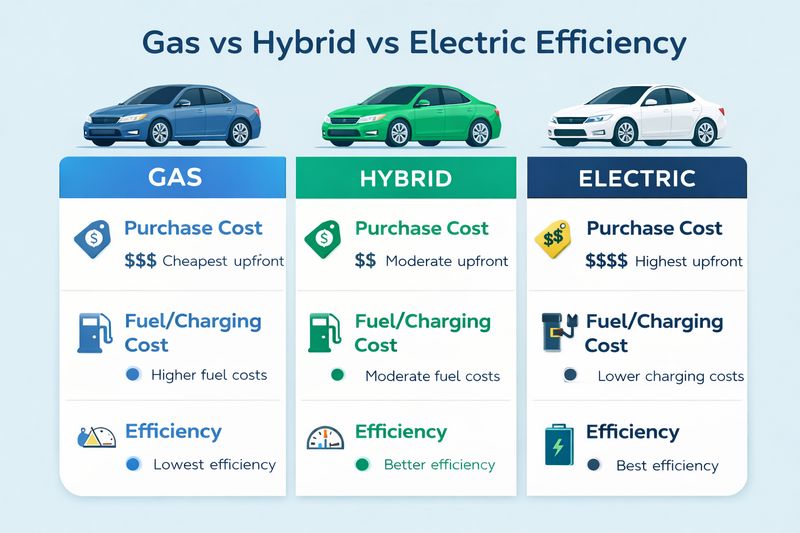
Example: If you’re driving in traffic every day, a hybrid can cut your fuel costs almost in half compared to a regular gas car.
Maintenance and Repair Costs
Cheap to buy doesn’t always mean cheap to own.
Some cars are known for low maintenance costs, while others require expensive repairs. Parts availability, labor costs, and common issues all matter.
For example:
- A reliable compact sedan may only need basic maintenance for years
- A poorly chosen car might require costly transmission or engine repairs
Always check common problems for the model you’re considering before buying.
Reliability and Longevity
A commuter car should work every day without surprises. Reliability is what keeps your budget under control.
Most Reliable Brands and Models
Some brands consistently perform better when it comes to long-term reliability. Models from manufacturers like Toyota, Honda, and Hyundai are often chosen for daily commuting because they last longer and need fewer repairs.
Example: A used car with a strong reliability record can easily run for years with minimal issues, even with daily use.
Mileage and Expected Lifespan
Mileage matters, but it’s not everything.
A well-maintained car with 150,000 km can be a better choice than a neglected car with 80,000 km. Look at service history, not just the number on the odometer.
Many reliable commuter cars can last:
- 200,000–300,000 km with proper maintenance
- Even longer if driven carefully and serviced regularly
Comfort and Interior Features
You’ll spend a lot of time in your commuter car, so comfort is not a luxury — it’s a necessity.
Seat Comfort for Long Drives
If your commute is longer than 30 minutes, uncomfortable seats can become a real problem.
Look for:
- Good lumbar support
- Adjustable seating positions
- Enough legroom
Example: A driver commuting one hour daily will feel the difference between basic seats and supportive ones within a few weeks.
Infotainment and Connectivity
Modern features make daily driving easier and more enjoyable.
Useful features include:
- Bluetooth for hands-free calls
- Apple CarPlay or Android Auto
- Simple, easy-to-use controls
These aren’t just extras — they help reduce distraction and improve your driving experience.
Safety Ratings and Driver Assistance
Safety should never be ignored, even when you’re on a budget.
Essential Safety Features
At a minimum, your commuter car should have:
- Airbags
- ABS (anti-lock braking system)
- Stability control
Newer used cars may also include:
- Lane-keeping assist
- Automatic emergency braking
- Blind-spot monitoring
These features can prevent accidents and reduce risk during daily driving.
Crash Test Ratings
Always check crash test results from trusted organizations. A car with high safety ratings gives better protection in case of an accident.
This is especially important if you drive long distances or in heavy traffic every day.
Size and Practicality
The right size depends on your lifestyle and daily needs.
Compact vs Sedan vs SUV
- Compact cars are best for city driving — easy to park and very fuel-efficient
- Sedans offer more comfort and stability for longer trips
- SUVs and crossovers provide more space and better visibility, but usually cost more to run
Example: If you rarely carry passengers, a compact car makes more financial sense than a larger SUV.
Cargo Space and Passenger Room
Think about how you actually use your car.
Do you:
- Carry passengers daily?
- Need space for groceries or work equipment?
- Travel occasionally with family?
Choosing the right balance between size and practicality helps avoid overpaying for space you don’t need.
Budget Considerations
Your budget doesn’t end with the purchase price. It’s about the total cost of owning the car.
Best Options by Price Range
- Under $10,000: Older but reliable models, often with higher mileage
- Under $15,000: Better condition, newer features, good balance
- Under $20,000: Newer cars with advanced safety and tech
Buying through online auto auctions can help you get a better car for the same budget.
Cost of Ownership Over Time
Always think long-term.
The real cost includes:
- Fuel or charging
- Insurance
- Maintenance and repairs
- Depreciation
Example: A slightly more expensive but reliable car can save you more money over time than a cheap car that constantly needs repairs.
Calculate the True Cost Before You Buy
The purchase price is only part of the deal. Before choosing a commuter car, estimate the full cost — including auction fees, delivery, and ownership expenses. This helps avoid expensive surprises and choose the best value option.
- ✅ Full cost breakdown before bidding
- ✅ Transparent auction and service fees
- ✅ Shipping and export cost estimation
- ✅ Data-driven decisions for budget buyers
Gas vs Hybrid vs Electric vs SUV: Which Commuter Type Is Right for You?
Choosing the right type of commuter car is just as important as choosing the model. Each option has its own strengths, and the best choice depends on how you drive, how far you travel, and how much you want to spend long-term.
Gas Cars: Affordable and Simple
Gas-powered cars are still the most common choice for commuters — and for good reason.
They are usually:
- Cheaper to buy upfront
- Easy to maintain
- Simple to repair almost anywhere
If you’re on a tight budget and need a reliable daily driver, a gas car is often the safest choice. There’s no need to worry about charging stations or battery health.
Example: Someone buying their first car with limited savings will often choose a gas sedan because it’s widely available and affordable.
The downside? You’ll spend more on fuel over time compared to hybrids or electric cars.
Hybrid Cars: Maximum Fuel Savings
Hybrid cars are built to save fuel — especially in city driving.
They use both a gas engine and an electric motor, switching between them automatically to reduce fuel consumption.
Key benefits:
- Excellent fuel economy in stop-and-go traffic
- Lower fuel bills every month
- Proven reliability in many models
Example: If you’re stuck in traffic every morning and evening, a hybrid can significantly cut your fuel costs compared to a traditional gas car.
The trade-off is a slightly higher purchase price. But for daily commuters, the savings often make up for it.
Electric Cars: Low Running Costs for City Driving
Electric vehicles (EVs) are the cheapest to run on a daily basis.
They don’t use fuel at all — you simply charge the battery. Electricity is usually much cheaper than gasoline, especially if you charge at home.
Advantages:
- Very low running costs
- Minimal maintenance (fewer moving parts)
- Quiet and smooth driving experience
Example: A city driver with access to home charging can drive daily for a fraction of the cost of a gas car.
However, EVs are not perfect for everyone. You need reliable access to charging, and long-distance travel requires planning. Also, the upfront cost can still be higher, even on the used market.
SUVs and Crossovers: Comfort and Space
SUVs and crossovers are popular because they offer more space and a higher driving position.
They are a good choice if you:
- Drive with family or passengers often
- Need extra cargo space
- Want better visibility on the road
Example: A commuter who drops kids off at school and then drives to work may prefer an SUV for its practicality.
The downside is higher costs:
- More fuel consumption (for gas models)
- Higher purchase price
- Potentially higher maintenance costs
For strictly budget-focused commuting, an SUV is not always the most economical option — but it can be worth it if you truly need the space.
Best Choice for Long-Distance vs City Commutes
Your daily driving pattern should guide your decision.
For city commuting:
- Hybrid or electric cars are usually the best
- They save the most money in traffic
- Easier to drive and park in tight spaces
For long-distance (highway) commuting:
- Gas cars or hybrids perform well
- Comfort and stability matter more than size
- Fuel efficiency at steady speeds is key
For mixed use:
- A reliable gas car or hybrid is the safest choice
- You get a balance of efficiency and flexibility
Example:
- A driver doing short city trips every day will save more with a hybrid or EV
- Someone driving 50–100 km daily on highways may prefer a comfortable gas sedan with good mileage
Best Used Commuter Cars (Top 10 Picks for Every Budget)
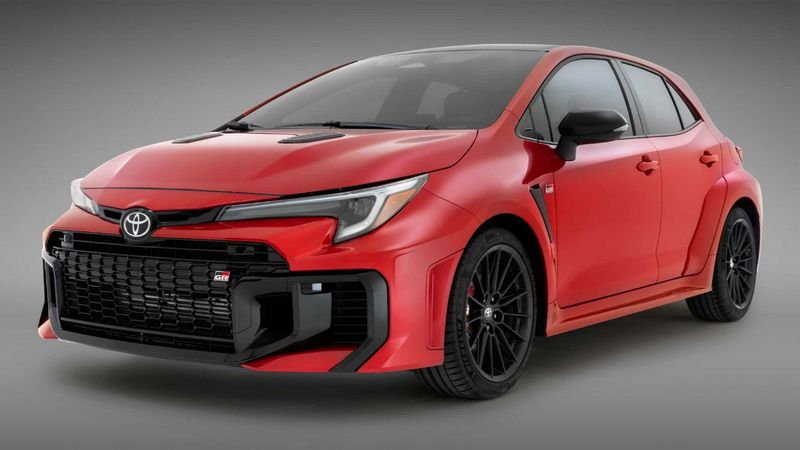
Toyota Corolla: The Ultimate Budget-Friendly Commuter
Overview and Key Features
The Toyota Corolla is one of the most popular commuter cars in the world. It’s known for being simple, reliable, and affordable. You won’t find flashy features, but you get exactly what matters for daily driving.
Most used Corollas come with:
- Comfortable seating for daily use
- Easy-to-use controls
- Solid build quality
- Low-cost parts and servicing
It’s a no-risk choice for buyers who just want a dependable car.
Fuel Economy and Reliability
The Corolla offers excellent fuel efficiency, especially for a gas-powered car. It performs well both in the city and on the highway.
But the real strength is reliability. This is a car that can run for years with minimal issues if maintained properly.
Example: Many drivers choose the Corolla because they don’t want surprises — just a car that starts every morning and gets them to work.
Pros
- Very reliable and long-lasting
- Low maintenance and repair costs
- Good fuel economy
- Affordable purchase price
Cons
- Basic interior and design
- Not the most exciting to drive
- Limited advanced features in older models
Who It’s Best For
Perfect for budget-conscious drivers who want the lowest possible ownership costs and maximum reliability. Ideal as a first car or daily commuter with no complications.
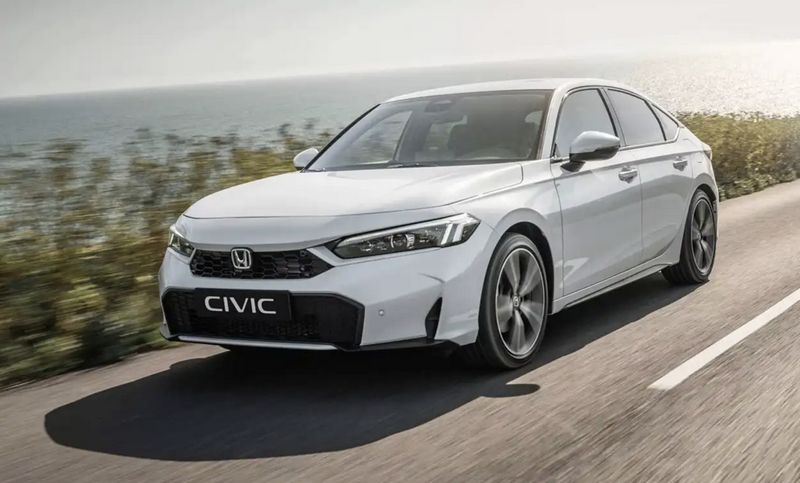
Honda Civic: Sporty and Efficient Daily Driver
Overview and Key Features
The Honda Civic is a great mix of efficiency, reliability, and a bit of driving fun. Compared to the Corolla, it feels more responsive and modern.
Common features include:
- Sportier design and handling
- Comfortable and well-designed interior
- Good technology even in older models
It’s a great choice if you want something practical but not boring.
Fuel Economy and Reliability
The Civic delivers strong fuel economy, making it a solid commuter option. It’s also known for long-term reliability, especially with regular maintenance.
Example: A daily commuter who enjoys driving a bit more will appreciate how the Civic feels compared to more basic cars.
Pros
- Fun to drive for its class
- Good fuel efficiency
- Strong reliability record
- Better interior quality than many competitors
Cons
- Can be slightly more expensive than similar models
- Some older models may have higher insurance costs
- Sportier suspension may feel firmer on rough roads
Who It’s Best For
Ideal for drivers who want a balance between affordability and driving enjoyment. Great for younger buyers or anyone who spends a lot of time behind the wheel.
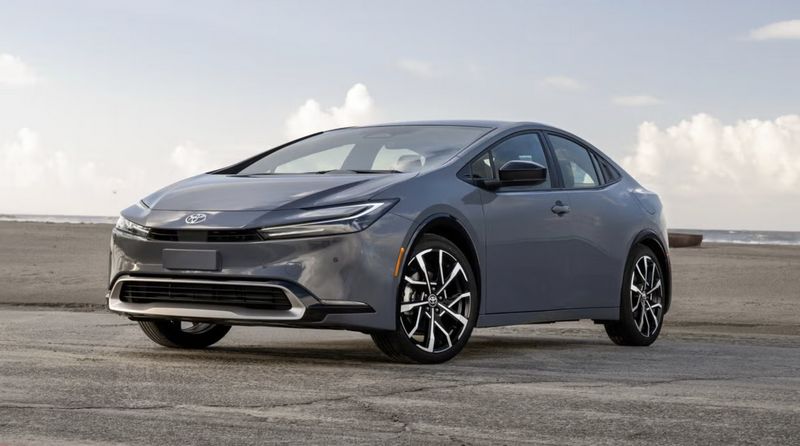
Toyota Prius: The Best Hybrid for Commuting
Overview and Key Features
The Toyota Prius is one of the most recognized hybrid cars, and it’s built specifically for efficiency.
It’s designed to reduce fuel consumption as much as possible, especially in city driving. While it may not be the most stylish car, it’s extremely practical.
Typical features include:
- Hybrid powertrain for maximum efficiency
- Smooth and quiet ride
- Spacious interior and hatchback design
Fuel Economy and Hybrid Benefits
This is where the Prius stands out. It delivers exceptional fuel economy, especially in stop-and-go traffic.
The hybrid system automatically switches between electric and gas power, saving fuel without any effort from the driver.
Example: A driver commuting daily in heavy traffic can cut fuel costs significantly compared to a regular gas car.
Pros
- Outstanding fuel efficiency
- Very reliable hybrid system
- Low running costs over time
- Practical hatchback design
Cons
- Higher upfront cost than gas cars
- Less powerful engine
- Not as engaging to drive
Who It’s Best For
Best for drivers focused on saving money on fuel, especially in city conditions. Ideal for people with long daily commutes and frequent traffic.
Honda CR-V: Comfortable and Practical SUV
Overview and Key Features
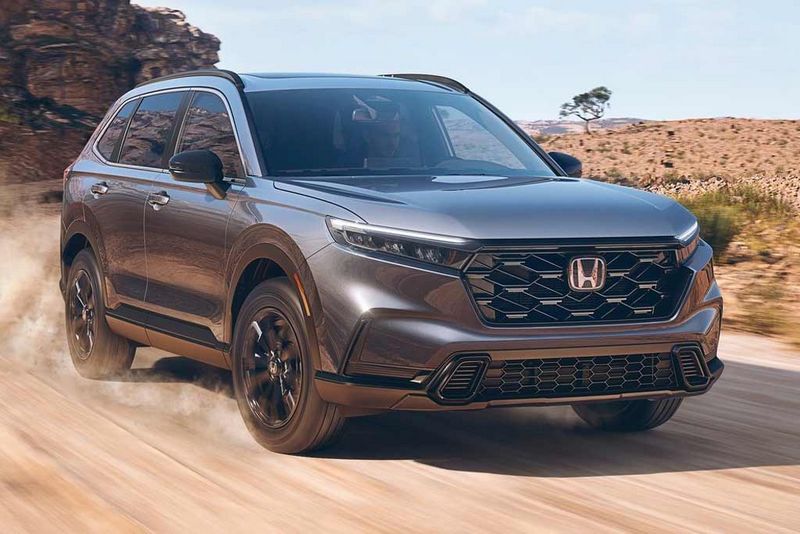
The Honda CR-V is one of the most popular compact SUVs for daily use. It offers a great balance between comfort, space, and reliability, making it a strong choice for commuters who need more than just a basic sedan.
Key features include:
- Spacious interior with plenty of legroom
- Large cargo area for everyday needs
- Higher driving position for better visibility
- Smooth and easy handling for city and highway driving
It’s a practical option if your daily routine includes more than just driving to work.
Fuel Economy and Reliability
For an SUV, the CR-V delivers solid fuel efficiency. It won’t match a compact sedan, but it’s reasonable for its size.
Reliability is one of its biggest strengths. With regular maintenance, the CR-V can easily handle years of daily commuting without major issues.
Example: A driver who needs space for family, groceries, or gear can rely on the CR-V without worrying about constant repairs.
Pros
- Excellent reliability record
- Spacious and practical interior
- Comfortable for long drives
- Strong resale value
Cons
- Higher fuel costs than smaller cars
- More expensive upfront
- Not as easy to park in tight city spaces
Who It’s Best For
Perfect for commuters who need extra space and comfort — especially families or drivers who combine work trips with daily errands.
Hyundai Elantra: Best Value for Money
Overview and Key Features
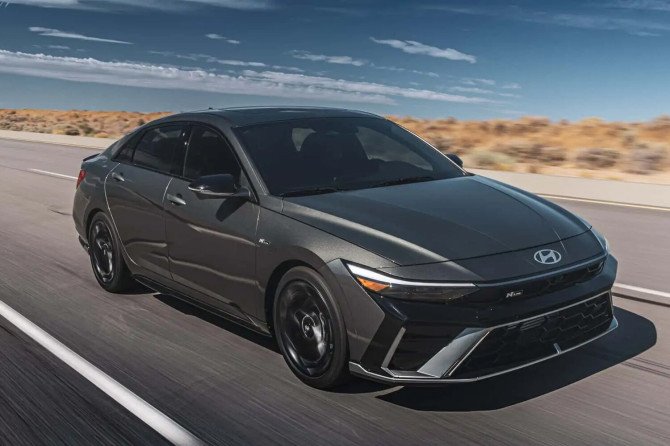
The Hyundai Elantra is known for offering a lot for the price. It’s one of the best choices if you want a newer car with modern features but still stay within budget.
Typical features include:
- Sleek design compared to older competitors
- User-friendly infotainment system
- Comfortable interior with good build quality
- Long warranty coverage (on newer used models)
It often feels like a more expensive car than it actually is.
Fuel Economy and Affordability
The Elantra delivers strong fuel efficiency, making it a smart option for daily commuting. It’s also usually cheaper to buy than similar models from other brands.
Example: A buyer looking for a newer car under a limited budget can often find a well-equipped Elantra instead of an older competitor model.
Pros
- Excellent value for the price
- Good fuel economy
- Modern features even in used models
- Lower purchase cost
Cons
- Resale value not as strong as Toyota or Honda
- Some models may feel less durable long-term
- Driving experience is more basic
Who It’s Best For
Ideal for buyers who want the most features for their money. Great for those who prefer a newer car without stretching their budget.
Toyota Camry: Reliable Midsize Sedan for Long Commutes
Overview and Key Features
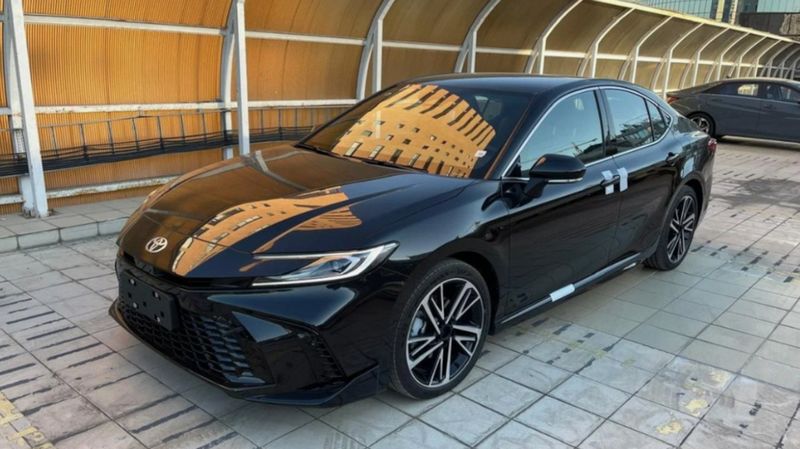
The Toyota Camry is a midsize sedan designed for comfort and long-distance driving. It offers more space and refinement than compact cars, making it perfect for longer daily commutes.
Key features include:
- Spacious and quiet cabin
- Smooth ride quality
- Strong engine performance for highway driving
- High-quality interior materials (especially in newer models)
It’s built to handle long hours on the road without fatigue.
Comfort and Highway Performance
The Camry really shines on the highway. It provides a stable, smooth ride and comfortable seating, which makes a big difference for long-distance commuters.
Fuel economy is still solid for its size, especially on highways where it performs efficiently.
Example: A driver commuting 50–100 km daily will appreciate the reduced fatigue and comfort compared to a smaller, less refined car.
Pros
- Extremely reliable
- Very comfortable for long drives
- Strong performance for highway use
- Good resale value
Cons
- Higher purchase price than compact cars
- Slightly higher fuel consumption than smaller models
- Larger size can be less convenient in tight city areas
Who It’s Best For
Best for commuters with long highway drives who value comfort and reliability. Ideal for those willing to spend a bit more for a smoother daily experience.
Nissan Altima: Comfortable and Efficient Highway Cruiser
Overview and Key Features
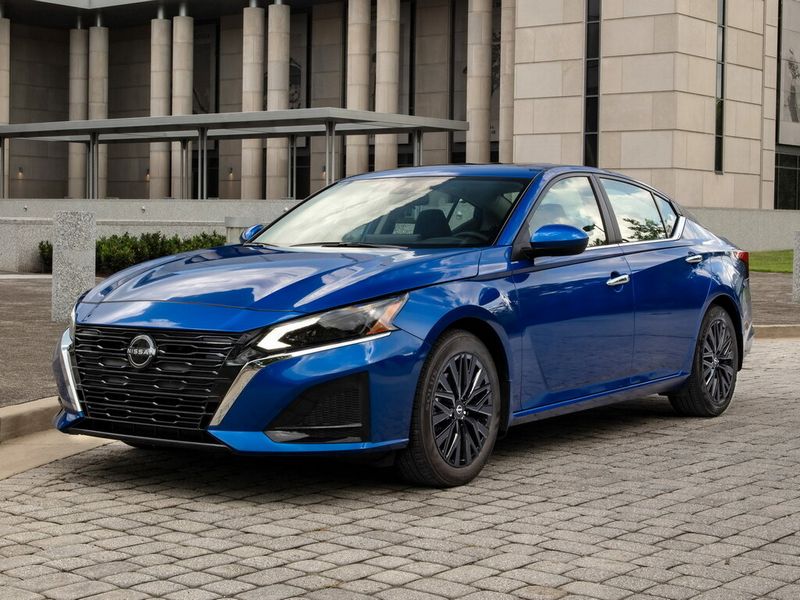
The Nissan Altima is a midsize sedan designed for smooth and relaxed driving. It’s a strong option for commuters who spend a lot of time on highways and want comfort without paying a premium price.
Key features include:
- Spacious cabin with good legroom
- Comfortable ride for long distances
- Available all-wheel drive in some models
- Simple and practical interior layout
It’s not flashy, but it does the job well for everyday use.
Fuel Economy and Ride Quality
The Altima offers solid fuel efficiency, especially on highways where it performs best. The ride is smooth and stable, making long drives less tiring.
Example: A driver commuting 60–80 km daily will appreciate how the Altima absorbs bumps and stays comfortable over time.
Pros
- Comfortable for long-distance driving
- Good highway fuel economy
- Spacious interior
- Available AWD option
Cons
- CVT transmission can be a concern in some model years
- Interior quality is average
- Not very engaging to drive
Who It’s Best For
Best for commuters who mainly drive on highways and want a comfortable, affordable sedan for daily use.
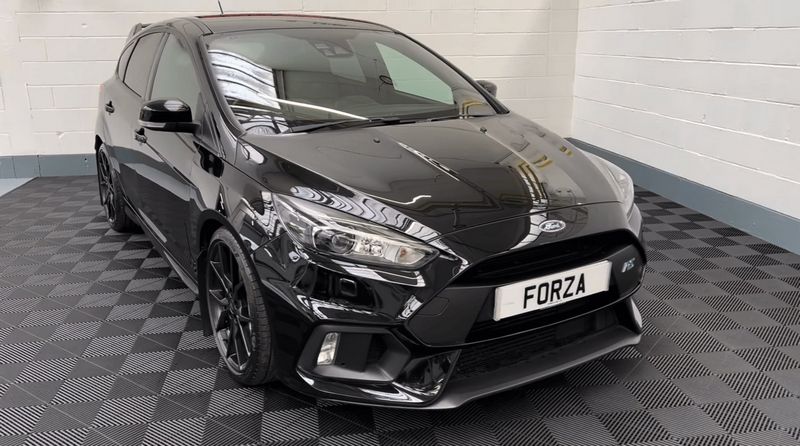
Ford Focus: Affordable and Fun to Drive
Overview and Key Features
The Ford Focus is a compact car that offers a more engaging driving experience than most cars in its class. It’s a popular choice for budget buyers looking for something practical but not boring.
Key features include:
- Sharp handling and responsive steering
- Compact size for easy city driving
- Available as sedan or hatchback
- Simple and functional interior
It’s a good mix of affordability and driving enjoyment.
Fuel Economy and Maintenance
The Focus delivers decent fuel economy, making it suitable for daily commuting. However, maintenance costs can vary depending on the model year.
Important note: Some older models (especially with automatic transmissions) may have known issues, so careful selection is key.
Example: A buyer who does a bit of research can find a reliable Focus at a very low price through auctions.
Pros
- Affordable purchase price
- Fun and engaging to drive
- Easy to park and maneuver
- Good availability on the used market
Cons
- Transmission issues in certain models
- Interior quality is basic
- Resale value is lower than competitors
Who It’s Best For
Ideal for budget buyers who want a cheap commuter car with a bit of personality — as long as they choose the right model year.
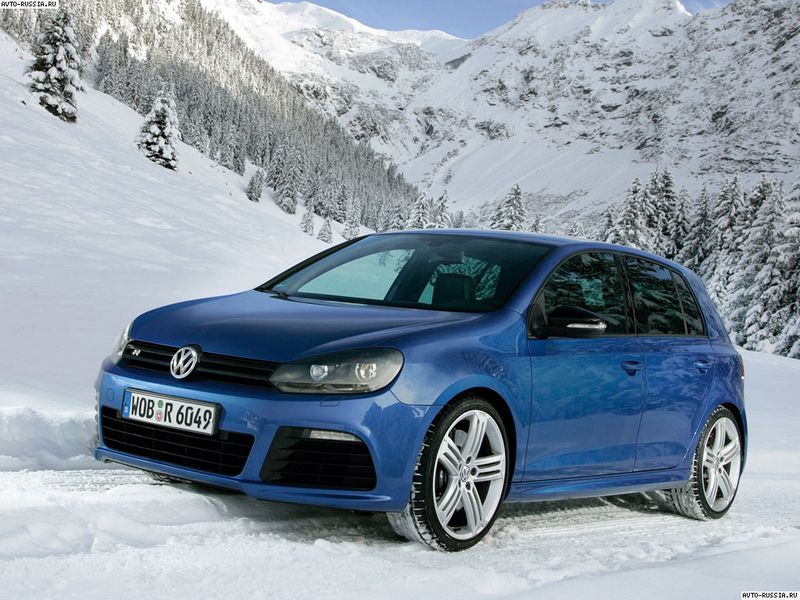
Volkswagen Golf: Premium Feel in a Compact Package
Overview and Key Features
The Volkswagen Golf stands out in the compact segment by offering a more refined and upscale feel. It’s practical like a typical commuter car but feels more polished inside.
Key features include:
- High-quality interior materials
- Hatchback design for extra cargo space
- Smooth and controlled ride
- European-style design and handling
It’s a great option if you want something more refined without going into luxury territory.
Interior Quality and Driving Experience
The Golf feels more premium than most compact cars. The cabin is well-built, and the driving experience is smooth and controlled.
Example: A commuter who spends a lot of time in the car will notice the quieter cabin and better materials compared to cheaper alternatives.
Pros
- Upscale interior for its class
- Practical hatchback design
- Comfortable and stable driving
- Good balance of performance and efficiency
Cons
- Maintenance and repairs can be more expensive
- Parts may cost more than Japanese competitors
- Not the cheapest option upfront
Who It’s Best For
Best for drivers who want a compact commuter car with a more premium feel and are willing to pay slightly higher maintenance costs.
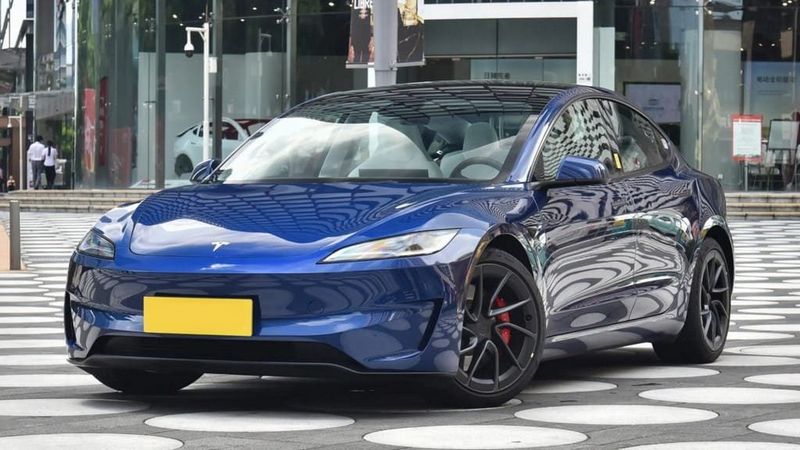
Tesla Model 3: Best Electric Commuter Option
Overview and Key Features
The Tesla Model 3 is one of the most popular electric cars for daily commuting. It offers modern technology, strong performance, and very low running costs.
Key features include:
- Fully electric powertrain
- Minimalist interior with large touchscreen
- Fast acceleration compared to traditional cars
- Advanced software and updates
It’s designed for drivers who want a modern and efficient commuting experience.
Charging Costs and Range
The Model 3 is much cheaper to run than gas-powered cars. Charging costs are significantly lower than fuel, especially if you charge at home.
Range is also strong, allowing most commuters to drive several days without needing to recharge.
Example: A city commuter with access to home charging can cut daily driving costs dramatically compared to a gas car.
Pros
- Very low running costs
- No fuel required
- Modern technology and features
- Smooth and quiet driving
Cons
- Higher purchase price
- Charging infrastructure required
- Battery replacement can be expensive long-term
- Not ideal for all regions or lifestyles
Who It’s Best For
Ideal for commuters who want to minimize fuel costs and have access to charging. Best for city or suburban drivers looking for a modern, low-maintenance car.
Best Used Commuter Cars by Driving Type
Choosing the right commuter car becomes much easier when you match it to your daily driving conditions. A car that works perfectly for highway travel may not be the best option for city traffic — and vice versa.
Best Cars for Long-Distance Commutes
If you drive long distances every day, comfort and efficiency on the highway should be your top priorities.
Look for:
- Smooth ride quality
- Comfortable seats with good support
- Stable performance at higher speeds
- Good highway fuel economy
Sedans like the Toyota Camry or Nissan Altima are great examples. They are designed for long trips and help reduce fatigue during extended drives.
Example: If you spend 1–2 hours on the road daily, a comfortable midsize sedan will make a big difference compared to a smaller, less refined car.
Hybrid sedans can also be a smart choice if you want to save on fuel without sacrificing comfort.
Best Cars for City Driving
City commuting is all about efficiency, maneuverability, and ease of use.
In stop-and-go traffic, the best cars are:
- Compact and easy to park
- Highly fuel-efficient (especially in traffic)
- Simple to handle in tight spaces
Hybrids like the Toyota Prius perform especially well here because they save fuel in traffic. Small cars like the Toyota Corolla or Hyundai Elantra are also strong options.
Example: If your daily drive includes traffic lights, congestion, and short distances, a compact or hybrid car will save you both time and money.
Electric cars are also ideal for city use — as long as you have access to charging.
Best Cars for Mixed Use
Many drivers deal with a mix of city streets and highways. In this case, you need a car that can handle both efficiently.
The best choice is a balanced vehicle that offers:
- Good overall fuel economy
- Reliable performance in different conditions
- Comfortable interior for varying trip lengths
Cars like the Honda Civic or Toyota Corolla are perfect for this. They are efficient in the city and stable on the highway.
Example: If you drive through traffic in the morning and take the highway home, a well-rounded compact sedan or hybrid is the safest bet.
Best Cars for Harsh Weather Conditions
If you live in an area with snow, rain, or rough road conditions, your commuter car needs to handle more than just daily driving.
Important features include:
- All-wheel drive (AWD) or good traction control
- Higher ground clearance
- Stable handling in плохих погодных условиях
SUVs and crossovers like the Honda CR-V are often better suited for these conditions. They provide better grip and visibility compared to smaller cars.
Example: A driver dealing with snow or icy roads during winter will feel much more confident in an SUV than in a low compact car.
That said, even a sedan can perform well in harsh conditions with the right tires and careful driving.
How to Choose the Right Used Commuter Car for Your Budget
Finding a used commuter car that fits your budget doesn’t mean settling for less. It’s about balancing price, reliability, and features to get the most value for your money. Knowing what’s realistic for your budget helps you make smarter choices and avoid costly mistakes.
Best Options Under $10,000
If your budget is under $10,000, focus on reliability and low running costs. You may be looking at older models with higher mileage, but smart choices can still give you a dependable daily driver.
Good options include:
- Toyota Corolla
- Honda Civic
- Hyundai Elantra
Tips:
- Check the service history carefully
- Look for cars with routine maintenance records
- Avoid models with known costly repairs
Example: A 2012 Toyota Corolla with 120,000 km can often run reliably for several more years if it has been well-maintained.
Best Options Under $15,000
With a $15,000 budget, you can aim for newer models, lower mileage, and more features. This is a sweet spot for value-conscious buyers who want both reliability and comfort.
Good options include:
- Honda Civic (newer model years)
- Toyota Camry (older but well-maintained)
- Nissan Altima
Tips:
- Focus on cars with safety features and basic tech upgrades
- Hybrid options like the Toyota Prius become more realistic at this price
Example: A 2016 Honda Civic offers excellent fuel economy, modern features, and solid reliability — ideal for daily commuting.
Best Options Under $20,000
Under $20,000, your choices expand to newer cars, hybrids, and even compact SUVs. You can prioritize comfort, efficiency, and more advanced technology without overspending.
Good options include:
- Honda CR-V (used but recent model)
- Toyota Prius (newer years)
- Hyundai Elantra or Sonata with modern features
Tips:
- Look for certified pre-owned vehicles for extra peace of mind
- Consider long-term ownership costs, including insurance and fuel
Example: A 2018 Toyota Prius can provide excellent fuel savings, comfort, and reliability — perfect for commuters with longer daily drives.
When It Makes Sense to Spend More
Spending above $20,000 on a used commuter car is worth it if:
- You drive long distances daily and need extra comfort
- You want advanced safety and tech features
- You prefer low-mileage or certified pre-owned vehicles for reliability
Examples:
- Tesla Model 3 for electric commuting
- Late-model Honda CR-V or Toyota Camry for long highway drives
- Volkswagen Golf for a compact car with a premium feel
The key is to ensure the extra investment actually improves your daily commute — whether through comfort, efficiency, or peace of mind — rather than buying a car just because it’s newer or trendier.
Avoid Costly Mistakes When Buying at Auction
First-time buyers often overpay or miss hidden issues. Get access to verified vehicle data, history reports, and expert support before placing a bid — so you don’t turn a good deal into a bad one.
- ✅ Free vehicle history reports
- ✅ Sold price insights from past auctions
- ✅ Guidance before and during bidding
- ✅ Help identifying risky vehicles
Hidden Costs of Owning a Commuter Car
When choosing a commuter car, the sticker price is just the beginning. Many hidden costs can add up over time, affecting your budget more than you might expect. Being aware of these expenses helps you plan better and avoid surprises.
Fuel and Energy Costs
Fuel is one of the most obvious ongoing costs, but it can vary widely depending on your car type, daily commute, and driving style.
- Gas cars: Expect regular visits to the gas station, with costs rising if fuel prices increase.
- Hybrids: Save on fuel, especially in stop-and-go traffic, but still rely partially on gasoline.
- Electric cars: Electricity is cheaper than gas, but you may need a home charging setup or public charging fees for longer trips.
Example: Driving a gas sedan 50 km daily might cost $150–$200 per month in fuel, while a hybrid or EV could cut that to $50–$80.
Insurance Rates
Insurance is often overlooked when budgeting for a car. Rates depend on the model, age, safety ratings, and even location.
- Sedans usually have lower premiums than SUVs or sports cars.
- Luxury or high-performance cars may have much higher insurance costs, even used.
- Safety features and crash test ratings can lower premiums.
Example: A 2015 Toyota Corolla can cost $100–$150 per month to insure, while a newer compact SUV like a CR-V could be $200+ per month.
Maintenance and Repairs
All cars need maintenance, but costs vary by model, age, and complexity.
- Older cars may need more frequent repairs.
- European cars often have higher parts and labor costs.
- Electric vehicles have fewer moving parts but battery replacements can be expensive.
Example: Routine oil changes, brake pads, and tire rotations might cost $500–$700 per year for a typical sedan, while an SUV may cost $700–$1,000 annually. Unexpected repairs can increase costs further.
Depreciation
Depreciation is the loss in your car’s value over time. While used cars have already taken the biggest hit, they still lose value, which affects resale or trade-in options.
- Luxury or high-tech cars may depreciate faster.
- Popular, reliable models like the Toyota Corolla or Honda Civic hold value better.
- Choosing a car with slower depreciation can save money long-term.
Example: A 5-year-old Camry may retain 50–60% of its original value, while a less popular or luxury car may drop to 40% or less.
Tips for Buying a Used Commuter Car at Auction
Buying a used commuter car at an auction can save you a lot of money, but it requires preparation and careful research. Knowing what to look for and how to bid safely can make the difference between a great deal and a costly mistake.
Why Auctions Can Save You Money
Auctions often offer cars at prices below market value because sellers want a fast sale. You can find reliable used cars that are otherwise priced higher at dealerships.
- Salvage, repossessed, or fleet vehicles are common at auctions.
- Competitive bidding can still result in bargains if you set a limit.
- Online auctions allow you to browse many options without traveling.
Example: A well-maintained 2015 Toyota Corolla might sell for $7,500 at an auction, compared to $10,000–$12,000 at a dealership.
What to Check Before Bidding
Before you bid, inspect the car as closely as possible and gather all available information.
- Look at the exterior and interior condition.
- Check tires, brakes, and signs of accidents.
- Review odometer readings for mileage consistency.
- Confirm the car type, model year, and trim level match your needs.
Tip: Many auctions provide photos and descriptions — study them carefully before bidding.
Understanding Vehicle History Reports
A vehicle history report is essential to know what you’re buying. These reports detail past accidents, title issues, and service history.
- Check for any salvage or rebuilt titles.
- Look for accident history and previous major repairs.
- Verify regular maintenance records if available.
Example: A car with a clean history and no major accidents is likely to be more reliable and easier to insure.
Avoiding Common Beginner Mistakes
First-time auction buyers often make mistakes that can cost money. Avoid these pitfalls:
- Bidding emotionally — always set a maximum price.
- Ignoring hidden fees like buyer’s premiums, auction fees, and shipping costs.
- Skipping research on the vehicle’s reliability or parts availability.
- Forgetting to account for repairs or maintenance after purchase.
Example: A beginner might get excited about a low bid but forget to factor in $1,000 needed for brake and tire replacement — which can turn a deal into a loss.
How to Make Your Daily Commute Cheaper and Easier
Commuting doesn’t have to drain your wallet or your energy. Small adjustments to your driving habits, regular maintenance, and knowing when to upgrade your vehicle can save you money and make daily trips more comfortable.
Driving Habits That Save Fuel
How you drive has a big impact on fuel efficiency. Simple changes can reduce fuel costs significantly:
- Drive smoothly: Avoid rapid acceleration and hard braking. This keeps fuel consumption lower.
- Maintain steady speeds: Use cruise control on highways when possible.
- Reduce idling: Turn off your engine if you’re stopped for more than a minute.
- Plan your routes: Combine errands and avoid congested roads to save time and fuel.
Example: A commuter driving 50 km daily can save up to $20–$30 per month just by avoiding aggressive driving and planning more efficient routes.
Basic Maintenance Tips
Keeping your car in good condition prevents costly repairs and improves fuel economy. Regular maintenance includes:
- Oil changes: Keeps the engine running smoothly and efficiently.
- Tire maintenance: Proper inflation improves mileage and handling.
- Brake and fluid checks: Ensures safety and prevents major repairs.
- Air filter replacement: Helps the engine breathe better and consume less fuel.
Example: A well-maintained Toyota Corolla can easily run for over 300,000 km with minimal issues, reducing unexpected expenses for daily commuters.
When to Upgrade Your Vehicle
Even a reliable used car has a lifespan. Knowing when it’s time to upgrade can save you money in the long run:
- High repair costs: Frequent repairs that cost more than the car’s value are a sign it’s time to move on.
- Poor fuel efficiency: Older models may burn more fuel, increasing daily costs.
- Safety and comfort needs: Newer cars offer better safety features, ride quality, and technology.
Example: If your 12-year-old sedan spends more on repairs and fuel than a slightly newer used model, upgrading to a reliable car like a 2018 Honda Civic or Toyota Camry can actually save money while making commuting easier.
Are Used Commuter Cars Worth It?
Buying a used commuter car can be a smart choice, especially for budget-conscious drivers. It offers significant savings compared to new cars, but it also comes with potential risks. Understanding both sides helps you make an informed decision.
Pros of Buying Used
Used cars are typically much cheaper than new models, allowing you to get more value for your money. You can afford a more reliable or better-equipped car without stretching your budget.
Other advantages include:
- Slower depreciation: Most of the car’s value has already dropped, so you lose less money over time.
- Lower insurance costs: Insurance premiums are generally lower for used cars than for brand-new vehicles.
- Wide selection: You can find models that are no longer in production but are still highly reliable and efficient.
Example: A 5-year-old Toyota Corolla may cost half of a new one but still deliver excellent fuel efficiency and reliability, making it perfect for daily commuting.
Potential Risks
Buying used comes with potential downsides that buyers should consider:
- Hidden mechanical issues: Previous owners may not have maintained the car properly.
- Accident history or title problems: Some cars may have hidden damage or unclear titles.
- Shorter remaining lifespan: Older vehicles have more wear and may need repairs sooner.
Example: A commuter may think they’re getting a bargain on a 10-year-old Honda Civic, only to face $1,500 in repairs shortly after purchase if maintenance history is unclear.
How to Minimize Those Risks
There are ways to reduce the risks of buying a used commuter car:
- Check the vehicle history report: Look for past accidents, title issues, and service records.
- Have a trusted mechanic inspect the car: A pre-purchase inspection can uncover hidden problems.
- Buy from reputable sources: Auctions, dealerships, or certified pre-owned programs offer more transparency.
- Stick to reliable models: Brands like Toyota, Honda, and Hyundai are known for durability and low maintenance costs.
Example: A buyer who inspects a 2016 Honda Civic through a certified pre-owned program can get peace of mind and a dependable car without the surprises that come with some private sales.
Final Thoughts: Choosing the Best Used Commuter Car
Choosing the right used commuter car is about more than just price — it’s about finding a balance between reliability, comfort, efficiency, and your daily driving needs. The best car for one person may not work for another, so it’s important to consider your specific commute, budget, and lifestyle.
Start by defining your priorities: Do you drive long distances every day, or is your commute mostly city traffic? Do you need extra cargo space, or is fuel efficiency your top concern? Once you know what matters most, you can focus on models that fit those needs.
Reliable brands like Toyota, Honda, and Hyundai consistently offer used cars that perform well for years, making them safe choices for budget-conscious buyers. Hybrid and electric models can help save on fuel, while compact sedans and small SUVs offer flexibility and comfort for different driving environments.
Budget also plays a critical role. Cars under $10,000 can be great for reliable daily driving if you choose wisely and check the car’s history. Spending $15,000–$20,000 opens up options with lower mileage, better features, and more modern technology, while higher budgets may allow access to electric vehicles or certified pre-owned cars with added peace of mind.
Finally, don’t forget the hidden costs: fuel, insurance, maintenance, and depreciation all affect the true cost of ownership. Regular maintenance, smart driving habits, and careful selection can make your used car last longer and keep your daily commute smoother and more affordable.
Find the Best Commuter Car at Auction Today
Now that you understand what to look for, it’s time to explore real deals. Browse thousands of vehicles, compare prices, and make a data-driven choice that fits your budget and daily needs.
- ✅ Access to 200,000+ vehicles
- ✅ No dealer license required
- ✅ Transparent pricing and fees
- ✅ Full support from purchase to delivery
Further Reading
Most Reliable Engines of All Time: 26 Motors That Never Let You Down
Top 10 Least Expensive Cars to Own and Maintain
5 Best Used Cars for City Driving That Fit Your Budget
How Used Cars Can Save Money and Offer Better Value

Do You Have Any Questions?
 Ask Question