


 Log in
 Sign Up


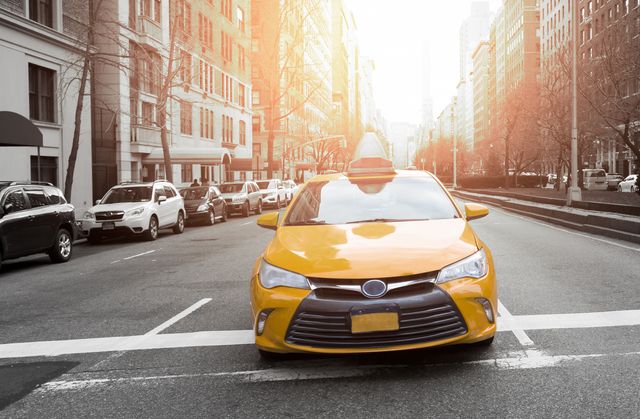


Choosing the right taxi car can make or break your earnings. This guide helps budget-conscious drivers find vehicles that balance reliability, fuel efficiency, comfort, and low maintenance. Whether you drive city routes, airport runs, or ride-hailing services like Uber and Lyft, you’ll learn which cars save money, reduce downtime, and keep passengers happy—so you can maximize profits without overspending.
Why Choosing the Right Taxi Car Matters
For taxi and ride-hailing drivers, a car is not a luxury item. It is a working tool that must earn money every day. The right choice can help you keep costs low, avoid stress, and stay profitable even with a limited budget. The wrong car can quickly eat up your earnings through fuel, repairs, and downtime.
Operating Costs and Long-Term Savings
Many drivers focus only on the purchase price. That is a common mistake. A cheap car can become expensive if it burns a lot of fuel or needs frequent repairs.
For example, a driver who saves $2,000 upfront but spends an extra $40 a day on fuel will lose that “saving” in a few months. Smart taxi drivers look at fuel costs, oil changes, brakes, tires, and insurance together. Over a few years, these expenses matter much more than the price on auction day.
Passenger Comfort and Ride Quality
Happy passengers mean better ratings and more tips. Even on budget rides, people notice legroom, smooth suspension, and a quiet cabin.
If your back hurts after a 10-hour shift or passengers complain about a rough ride, that affects your income. Cars with good seats, decent rear space, and stable handling help both the driver and the passenger feel less tired during long days.
Reliability and Downtime Reduction
Every day your car is in the shop, you are not earning money. Reliability is critical for taxi work.
Many drivers know this from experience: one unexpected breakdown can wipe out a week’s profit. Models with proven engines, simple transmissions, and widely available parts reduce downtime. This is why many taxi drivers prefer cars with a long history in fleet and taxi use.
Fuel Efficiency vs Electric Options
Fuel is one of the biggest daily expenses for taxi drivers. That’s why fuel-efficient cars and hybrids are so popular in cities.
Electric cars can be even cheaper to run, but only if charging is easy and reliable in your area. If you have to wait in line for a charger or drive far to find one, you lose time and money. The best option depends on your city, daily mileage, and access to charging.
Resale Value and Depreciation
Taxi cars rack up mileage fast. When it’s time to sell, resale value matters.
Some cars lose value very quickly, while others stay in demand even with high mileage. Drivers who choose models with strong resale value often recover a good part of their investment. This makes it easier to upgrade later or switch cars without a big financial loss.
Compliance With Taxi & Ride-Hailing Regulations
Not every car is allowed for taxi or ride-hailing work. Local rules may require four doors, a minimum year, specific safety features, or emissions standards.
Buying a car that does not meet Uber, Lyft, or local taxi rules can be an expensive mistake.
Key Factors to Consider When Choosing a Taxi Car
Choosing a taxi car is a business decision, not an emotional one. Every detail affects how much you earn and how tired you feel at the end of the day. Drivers on a budget need to think beyond the brand name and focus on what actually works in daily taxi and ride-hailing jobs.
Fuel Type: Petrol, Hybrid, Plug-in Hybrid, or Electric
Fuel choice has a direct impact on daily expenses. Petrol cars are usually cheaper to buy and easier to service, but fuel costs add up fast in city traffic.
Hybrids are popular with taxi drivers because they save fuel in stop-and-go driving and require no charging. Plug-in hybrids can work well for short city trips if you can charge at home. Electric cars offer very low running costs, but only make sense if charging is easy and downtime is minimal.
Purchase Price and Auction Value
The sticker price is only part of the story. Many taxi drivers use auto auctions to save thousands compared to dealership prices.
A smart buyer looks at auction history, average selling prices, and demand for the model. Cars with strong auction value are easier to resell later. Overpaying, even by a small amount, reduces your profit from day one.
Maintenance and Repair Costs
Taxi cars work hard. Oil changes, brakes, suspension parts, and tires wear out faster than in normal use.
Some models are cheap to buy but expensive to fix. Others cost a bit more upfront but have simple, durable components. Drivers with limited budgets usually prefer cars with proven reliability and affordable parts that any local shop can handle.
Interior Space and Luggage Capacity
Interior space affects both comfort and job opportunities. A small trunk limits airport runs and group rides.
Cars with decent rear legroom and a usable trunk help you accept more rides without stress. Many drivers learn this the hard way after losing trips because luggage does not fit or passengers feel cramped.
Driver Ergonomics for Long Shifts
Taxi driving means long hours behind the wheel. Poor seating, bad steering position, or limited visibility can cause back and neck pain.
A good taxi car should have supportive seats, adjustable steering, and clear mirrors. Feeling less tired at the end of the shift helps drivers stay focused and avoid mistakes.
Safety Ratings and Driver Assistance Features
Safety is not just about accidents. It also affects insurance costs and passenger trust.
Cars with strong safety ratings and features like automatic braking, lane assist, or blind-spot monitoring help reduce risk during long city shifts. These systems are especially useful when driving late at night or in heavy traffic.
Availability of Parts and Service
A taxi car must be easy to fix. If parts are rare or expensive, downtime increases.
Popular models with wide parts availability can be repaired quickly and cheaply. This is why many taxi drivers avoid uncommon or exotic cars, even if the price looks attractive at first.
Insurance and Licensing Costs
Insurance and licensing vary by car type and location. Some vehicles cost much more to insure due to repair costs or accident statistics.
New vs Used Taxi Cars: What’s Better on a Budget?
For most taxi and ride-hailing drivers, buying a brand-new car is not realistic. High prices and fast depreciation can hurt profits from the start. Drivers with limited budgets usually choose between used and salvage vehicles, focusing on value, reliability, and lower upfront costs.
Benefits of Buying Used or Salvage Cars
Used and salvage cars cost significantly less than new ones. This allows drivers to start working with a smaller investment and reach break-even faster.
Many taxi drivers recognize this situation: you want to start earning now, not spend years paying off a loan. A well-chosen used or lightly damaged salvage car can perform the same job as a new one but at a fraction of the price. In many cases, cosmetic damage does not affect daily taxi work at all.
Common Risks and How to Avoid Them
The main risks when buying used or salvage cars are hidden damage, unclear history, and unexpected repair costs.
Drivers avoid problems by checking vehicle history, title status, mileage, and service records. It’s also important to understand what kind of damage a salvage car had and whether it was properly repaired. Skipping these checks often leads to expensive surprises after the first few weeks on the road.
Why Auto Auctions Are Popular With Taxi Drivers
Auto auctions offer better prices than dealerships because cars are sold directly from insurance companies, fleets, or leasing firms.
Taxi drivers like auctions because they can compare many similar models at once and choose the best value. High-mileage cars with strong engines or minor damage are especially popular, as they fit taxi work well and cost much less than retail options.
How Auto4Export Helps Reduce Buying Risks
Buying at auctions can be confusing for first-time drivers. Auto4Export helps by guiding buyers through listings, explaining damage reports, and handling paperwork.
Hybrid, Plug-in Hybrid, Electric, or Gas: Which Is Best for Taxi Work?
There is no single perfect fuel type for every taxi driver. The best choice depends on your city, daily mileage, fuel prices, and access to charging. Drivers on a budget should focus on real-world costs, not marketing promises.
Gas Cars: Low Entry Price but Higher Fuel Costs
Gas cars are often the cheapest option to buy, especially at auctions. This makes them attractive for drivers with very limited starting capital.
However, fuel costs can be painful in heavy city traffic. Many drivers notice that even a reliable gas car slowly eats into profits with daily refueling. Gas cars work best for lower mileage, suburban routes, or drivers who want the simplest and cheapest entry into taxi work.
Hybrid Cars: Best Balance for City Taxi Driving
Hybrids are a favorite among taxi drivers in big cities. They use electric power at low speeds and save fuel in stop-and-go traffic.
Drivers who switch to hybrids often see immediate fuel savings without changing their driving habits. There is no need to charge, and reliability is usually strong. For many budget-conscious taxi drivers, hybrids offer the best balance between purchase price, fuel savings, and low downtime.
Plug-in Hybrids: Short Trips With Fuel Backup
Plug-in hybrids work well for drivers who mostly do short city trips and can charge at home or at night.
They allow electric driving for short distances while keeping a gas engine for longer trips. The downside is higher purchase prices and more complex systems. If charging is inconsistent, the benefits quickly disappear.
Electric Cars: Low Running Costs but Charging Considerations
Electric cars have very low energy costs and minimal maintenance. This sounds perfect for taxi work, but charging access is the key issue.
Best Car Categories for Taxi Drivers
Not every taxi driver needs the same type of car. City traffic, passenger type, and service level all affect which category makes the most sense. Drivers on a budget should choose a category that matches their most common trips, not rare situations.
Compact Sedans for City Taxi Work
Compact sedans are a popular choice for city taxi driving. They are easy to maneuver, cheap to run, and usually very fuel-efficient.
Drivers who spend most of the day in traffic appreciate their low fuel consumption and affordable maintenance. These cars are ideal for short trips, solo passengers, and budget ride-hailing services where speed and efficiency matter more than space.
Mid-Size Sedans for Comfort-Oriented Services
Mid-size sedans offer more space and a smoother ride without a huge increase in costs.
They work well for drivers who want better passenger comfort and higher ratings but still need to control expenses. Many drivers choose this category for Uber Comfort or similar services, where extra legroom and ride quality can lead to better tips and repeat customers.
MPVs and Minivans for Airport and Group Transfers
MPVs and minivans are designed for space and flexibility. They handle luggage, families, and group rides with ease.
Drivers who often work airport routes or group transfers find these vehicles more profitable, even with higher fuel use. One good airport run with a full vehicle can earn more than several short city trips in a small sedan.
Premium Sedans for Executive Taxi Services
Premium sedans are used for business clients and executive taxi services. They offer quiet cabins, smooth rides, and a more upscale image.
Top 10 Best Cars for Taxi Drivers (Budget & Reliability Focused)
When budget and reliability matter most, only a few cars consistently prove themselves in real taxi work. These models are chosen not because they look good on paper, but because drivers see the results every day in lower fuel bills, fewer repairs, and steady earnings.
1) Toyota Prius
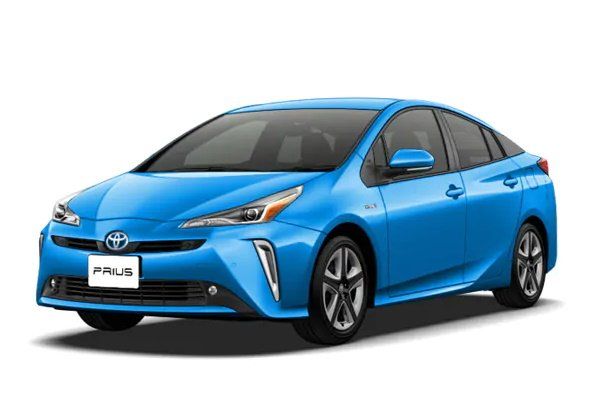
The Toyota Prius is one of the most common taxi cars in the world. Many drivers buy it after learning the hard way that fuel costs and downtime can destroy profits.
Why It’s Popular With Taxi Drivers
Taxi drivers like the Prius because it is predictable and easy to own. It starts every day, handles city traffic well, and does not surprise owners with constant breakdowns.
For drivers who work long hours, this kind of reliability reduces stress and keeps income stable.
Fuel Economy and Hybrid Reliability
Fuel economy is the Prius’ biggest advantage. In stop-and-go city driving, it uses far less fuel than most gas cars.
The hybrid system has been proven over millions of miles in taxi fleets worldwide. Many drivers report high mileage with minimal hybrid-related issues when regular maintenance is done.
Interior Space and Passenger Comfort
Despite its compact look, the Prius offers good interior space for passengers. Rear-seat legroom is enough for daily city trips, and the ride feels smooth and quiet.
Passengers often notice the calm ride, which helps with ratings and tips, especially during longer urban trips.
Typical Costs at Auto Auctions
At auto auctions, the Prius is widely available in different conditions and mileage ranges.
High-mileage or lightly damaged units often sell at attractive prices, making them accessible for drivers on a budget. This allows many drivers to enter taxi work without large loans.
Best Use Cases (City, Airport, Uber, Taxi)
The Prius works best in city taxi driving, UberX, and daily ride-hailing services.
It can handle airport trips with moderate luggage but is mainly designed for urban routes where fuel savings matter most. For many budget-focused taxi drivers, it remains one of the safest and smartest choices.
2) Toyota Corolla (Hybrid & Gas)
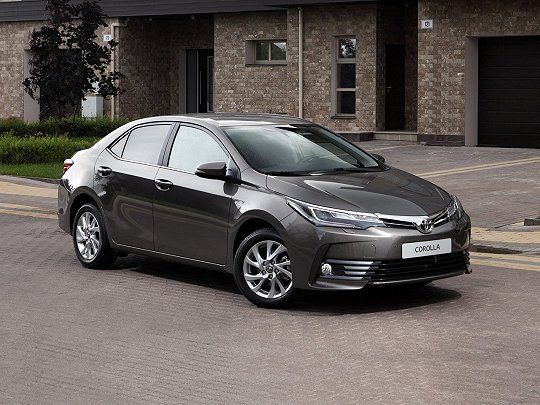
The Toyota Corolla is a classic choice for taxi drivers who want a simple, affordable, and reliable car. It may not feel exciting, but many drivers choose it because it does the job without draining their budget.
Low Maintenance and Proven Durability
Corollas are known for long service life and low maintenance needs. The engines and transmissions are well tested and easy to repair.
For taxi drivers, this means fewer unexpected breakdowns and cheaper visits to the repair shop. Many drivers keep Corollas on the road for years with basic maintenance only.
Fuel Efficiency and Daily Operating Costs
Both gas and hybrid versions offer good fuel efficiency. The hybrid version is especially effective in city traffic, while the gas version still keeps fuel costs reasonable.
Drivers often choose the gas Corolla when the upfront budget is tight and switch to hybrid later. Either way, daily operating costs stay predictable and manageable.
Comfort for Short and Medium Trips
The Corolla is best suited for short and medium trips. The ride is smooth enough for city work, and the cabin is quiet for its class.
Rear-seat space is not large, but it is acceptable for most daily taxi passengers. For typical UberX or city taxi rides, comfort is usually more than enough.
Ideal Buyer Profile
The Corolla is ideal for new taxi drivers, part-time ride-hailing workers, or anyone starting with limited capital.
It fits drivers who want low risk, easy ownership, and steady income without surprises. For many budget-focused taxi drivers, the Corolla is a safe first step into the business.
3) Hyundai Ioniq (Hybrid & Electric)
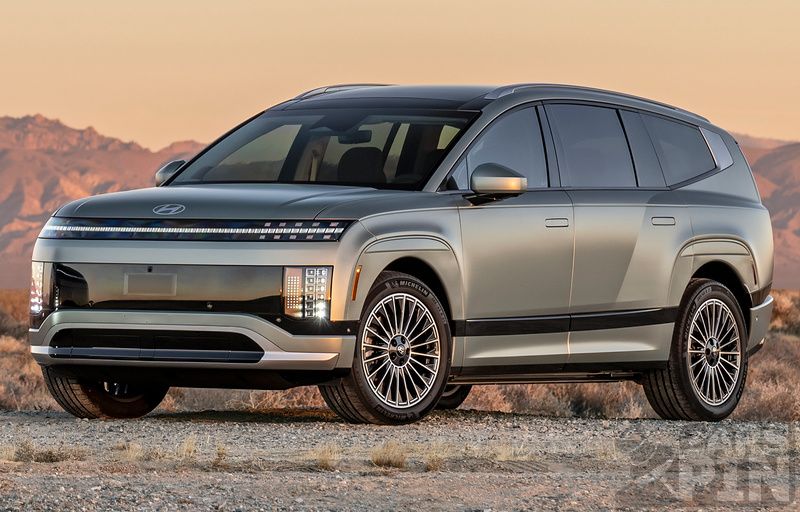
The Hyundai Ioniq is a modern alternative for taxi drivers who want lower running costs without paying premium prices. It is popular with drivers who focus on city routes and daily efficiency.
Operating Costs and Energy Efficiency
The hybrid Ioniq delivers strong fuel savings in stop-and-go traffic, similar to other top hybrid taxi cars.
The electric version goes even further, offering very low energy costs and fewer service items. Drivers who charge at home or overnight often see a clear drop in daily expenses. For budget drivers, the hybrid version is usually the safer choice if charging access is limited.
Technology and Driver Assistance
The Ioniq comes with useful driver assistance features that help during long shifts. Systems like lane assist, adaptive cruise control, and automatic braking reduce fatigue and improve safety.
Many drivers appreciate the simple layout and clear displays, which make daily driving less stressful in busy traffic.
Passenger Experience
Passengers enjoy the quiet ride, especially in the electric version. The suspension handles city roads well, and the cabin feels modern and clean.
Rear-seat space is good for daily trips, and the smooth acceleration makes rides feel comfortable, even in heavy traffic.
Things to Check When Buying Used
When buying a used Ioniq, drivers should check battery health, charging performance, and software updates.
For hybrid models, service history is important, especially regular maintenance of the hybrid system. As with any taxi car, checking mileage, title status, and past usage helps avoid costly surprises later.
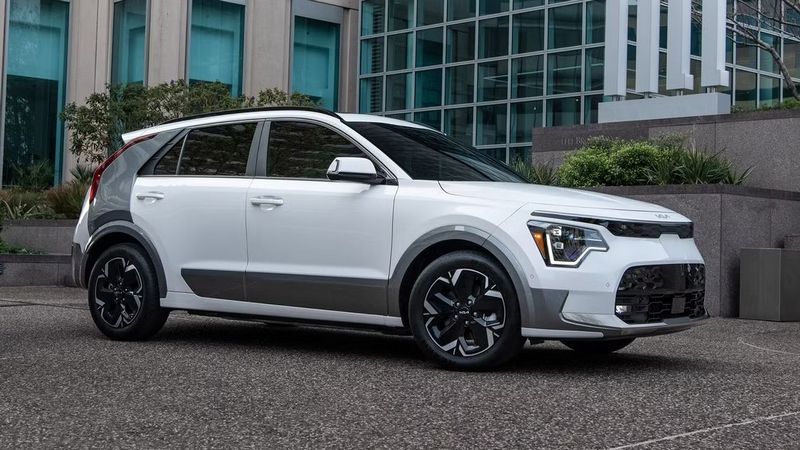
4) Kia Niro (Hybrid / PHEV / EV)
The Kia Niro is a practical choice for taxi drivers who want flexibility without moving to a full-size SUV. It offers different power options and works well for city-focused taxi and ride-hailing jobs.
Versatility for Different Taxi Needs
The Niro is available as a hybrid, plug-in hybrid, and fully electric model. This allows drivers to choose what fits their daily routes and budget.
Hybrid versions are common among city taxi drivers, while PHEV and EV models suit drivers with access to regular charging. The slightly higher ride height also helps on rough city roads.
Fuel Savings in Urban Driving
In urban traffic, the Niro performs very efficiently. The hybrid system saves fuel during frequent stops, and the electric versions eliminate fuel costs entirely.
Drivers who spend most of the day in city traffic often see clear savings compared to traditional gas sedans.
Interior Practicality
The interior offers good headroom and a practical layout. Rear passengers have enough space for daily trips, and the cargo area is larger than most compact sedans.
This makes the Niro useful for airport runs with light luggage and for drivers who want more flexibility without switching to a minivan.
Ownership Pros and Cons
On the positive side, the Niro has low running costs, good reliability, and modern safety features. Parts availability is generally good, and maintenance is simple for the hybrid version.
The downside is a higher purchase price compared to basic gas sedans. For budget drivers, the hybrid version usually offers the best balance between cost and long-term savings.
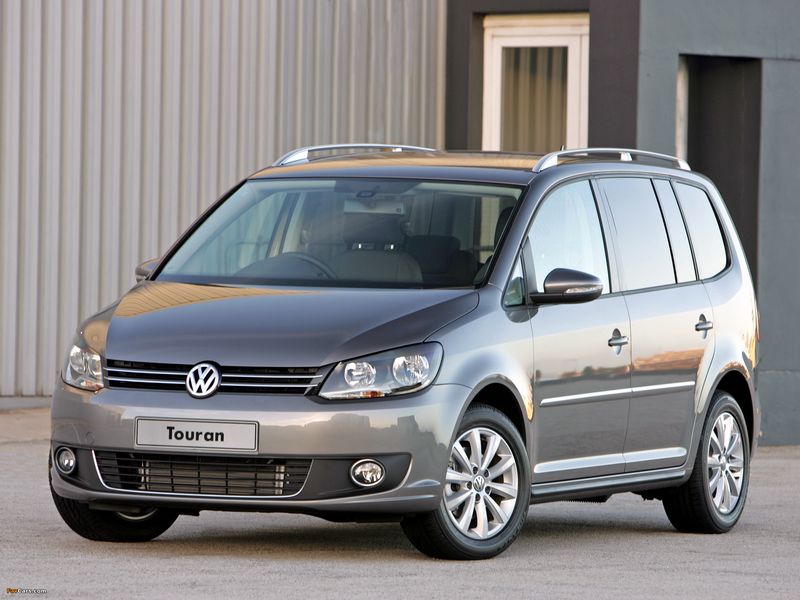
5) Volkswagen Touran
The Volkswagen Touran is a practical choice for taxi drivers who often carry families or groups. Its spacious cabin and versatile layout make it ideal for airport transfers, group rides, and luggage-heavy trips.
Space and Practicality for Families and Groups
The Touran’s cabin is designed for passengers and cargo. It usually seats five to seven people comfortably, with flexible seating arrangements.
Taxi drivers who work airport routes or group transfers appreciate the large boot and easy access to rear seats. Passengers also enjoy the extra legroom, which makes longer trips more comfortable.
Engine Options and Fuel Consumption
The Touran offers several engine options, including diesel and petrol. Diesel models are common in Europe and some U.S. markets because of fuel efficiency on longer trips.
Fuel consumption is reasonable for a vehicle of its size, but drivers should expect slightly higher running costs than compact sedans or hybrids in city traffic.
Comfort on Long Shifts
The Touran is designed for long-distance comfort. Seats are supportive, suspension handles city bumps and highways well, and noise levels are low.
Drivers who spend 10–12 hours behind the wheel notice less fatigue compared to smaller or more basic cars, which helps maintain safe and reliable service.
Maintenance Considerations
Maintenance for the Touran can be more expensive than for basic sedans. Parts availability is generally good, but some engines, especially diesel, may require specialized service.
Taxi drivers should budget for routine maintenance and potential repairs. Despite slightly higher costs, many consider the Touran worthwhile because of its passenger comfort and versatility.
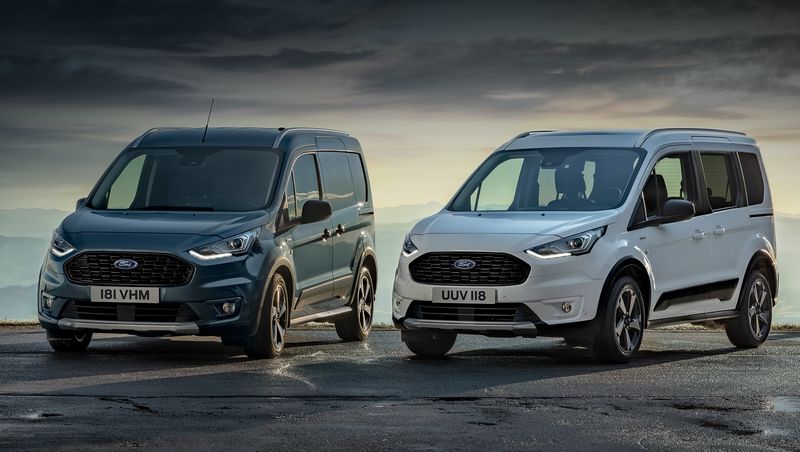
6) Ford Tourneo Connect / Grand Tourneo
The Ford Tourneo Connect and Grand Tourneo are designed for taxi drivers who need maximum space and flexibility. They are especially popular for airport transfers, shuttle services, and group rides.
Best Choice for Airport and Luggage Transfers
With a high roofline and spacious cabin, the Tourneo Connect handles luggage-heavy trips easily.
Taxi drivers who frequently carry passengers to airports or train stations benefit from the large boot space and easy access, making loading and unloading faster and more efficient.
Seating Configurations and Cargo Space
The Tourneo models offer multiple seating layouts, from five to seven passengers. Seats can often fold or slide to create more cargo space.
This versatility allows drivers to adapt the vehicle for small groups, large families, or mixed passenger-and-luggage trips, making it highly practical for diverse taxi work.
Running Costs for Taxi Fleets
Fuel efficiency is reasonable for a van of this size, and maintenance is generally straightforward. Diesel engines are common for fleet use, offering lower long-distance fuel costs.
Although running costs are higher than compact sedans, the increased passenger capacity and potential fares often justify the investment for drivers serving airport and shuttle routes.
Ideal Markets and Use Cases
The Tourneo Connect and Grand Tourneo work best in markets with high demand for group transport, such as busy airports, hotels, and city shuttle services.
They are ideal for drivers who need versatility and can maximize earnings by combining passenger capacity with luggage space. This makes them a go-to choice for drivers who prioritize revenue per trip over initial purchase price.
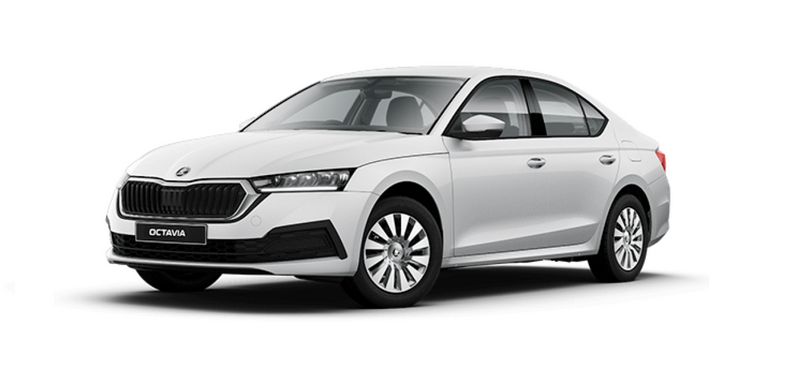
7) Skoda Octavia
The Skoda Octavia is a favorite among budget-conscious taxi drivers. It combines affordability, reliability, and practicality, making it one of the smartest choices for daily taxi work.
Excellent Value for Money
The Octavia offers a strong combination of features, comfort, and durability at a reasonable price.
For drivers with limited budgets, it allows entry into taxi work without compromising essential qualities like space, efficiency, or reliability.
Large Trunk and Rear Seat Space
One of the Octavia’s standout features is its spacious cabin. The rear seats provide ample legroom, and the trunk can handle luggage for airport runs or group rides.
Drivers who frequently transport passengers with suitcases or shopping bags appreciate this flexibility, which reduces passenger complaints and improves service ratings.
Fuel Efficiency and Reliability
Skoda engines are known for being fuel-efficient and long-lasting. Whether using petrol, diesel, or hybrid versions, operating costs remain manageable.
Many taxi drivers report high mileage without major issues, making the Octavia a dependable choice for long shifts and daily city or suburban driving.
Why Taxi Drivers Trust This Model
The combination of low purchase price, reasonable maintenance costs, and passenger comfort makes the Octavia a trusted model worldwide.
Drivers know they can count on it for years without unexpected breakdowns, which is why it often appears in taxi fleets and ride-hailing services across Europe and other markets.
8) Lexus ES (Hybrid)
The Lexus ES Hybrid is a premium choice for taxi drivers who focus on executive or comfort-oriented services. It combines luxury, reliability, and efficiency, making it suitable for drivers targeting higher-paying clients.
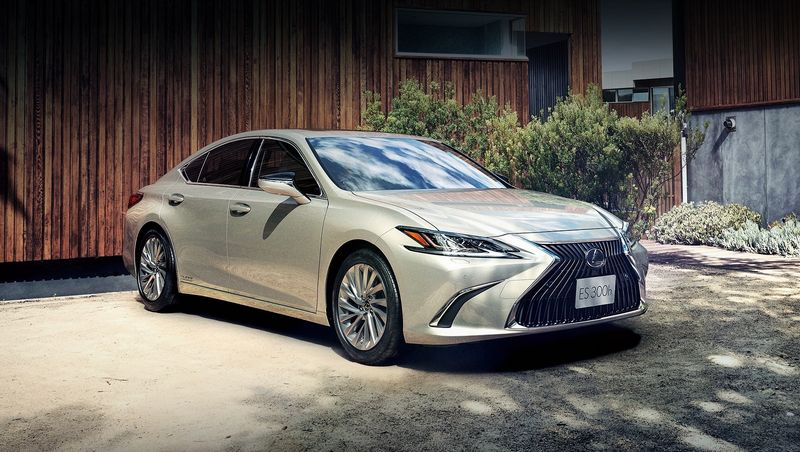
Premium Comfort With Toyota Reliability
Built on Toyota’s proven platform, the ES Hybrid delivers both luxury and dependable engineering.
Taxi drivers benefit from a car that offers premium features—smooth suspension, quality materials, and refined handling—while maintaining Toyota’s reputation for reliability. This reduces maintenance headaches often associated with luxury vehicles.
Fuel Economy for Executive Taxi Services
Despite its size and premium features, the ES Hybrid is surprisingly fuel-efficient.
Hybrid technology ensures lower running costs compared to traditional gas-powered luxury sedans. Drivers who do long city shifts or airport transfers can save significantly on fuel while offering high-end service.
Passenger Experience and Quiet Ride
The ES Hybrid provides a quiet, smooth, and comfortable cabin that passengers notice immediately.
Rear-seat space, soft suspension, and advanced climate control contribute to a relaxing ride, which is essential for executive taxi services, airport transfers, and ride-hailing platforms like Uber Comfort or Uber Black.
Higher Purchase Price vs Long-Term Value
The main drawback is the higher purchase price, especially at auctions or dealerships.
However, for drivers who target premium fares, the long-term value can justify the investment. Fuel savings, reliability, and passenger satisfaction often offset the upfront cost, making it a smart choice for niche taxi services.
9) Mercedes-Benz E-Class (Hybrid/Diesel)
The Mercedes-Benz E-Class is a premium sedan often chosen by taxi drivers who focus on executive clients or high-end ride-hailing services. It balances comfort, technology, and brand prestige, but requires careful budgeting.
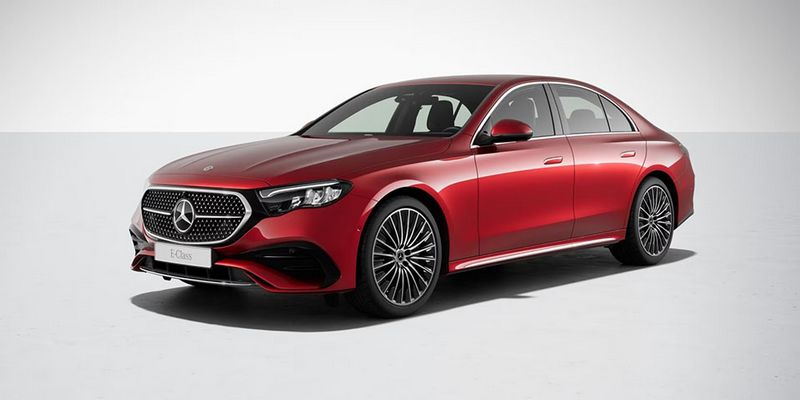
Status and Comfort for Business Clients
The E-Class delivers a professional image and a quiet, luxurious ride.
Passengers notice high-quality materials, soft suspension, and advanced cabin features, which can lead to better ratings, repeat bookings, and higher tips for drivers serving business clients or executive rides.
Engine Choices and Taxi Suitability
The E-Class offers both hybrid and diesel options. Diesel models are ideal for long-distance or highway-heavy work due to lower fuel costs over extended trips. Hybrid versions help reduce fuel costs in urban driving.
Taxi drivers must match the engine choice to their typical routes to maximize efficiency and earnings.
Maintenance Costs to Expect
Maintenance and repairs are more expensive than standard sedans. Parts, servicing, and specialized labor can add up, especially for older models.
Drivers should budget for routine checks, brake replacements, and potential electronic or hybrid system maintenance to avoid unexpected downtime.
When This Car Makes Financial Sense
The E-Class is financially sensible for drivers who target premium fares or serve executive taxi services where passengers pay more for comfort and prestige.
For budget-conscious city drivers, it may not be the best choice. However, in markets where high-end service commands higher fares, the E-Class can provide a solid return on investment despite higher upfront and maintenance costs.
10) Tesla Model S
The Tesla Model S is a high-end electric option for taxi drivers who want cutting-edge technology, zero fuel costs, and strong performance. While impressive, it requires careful consideration for budget-conscious drivers.
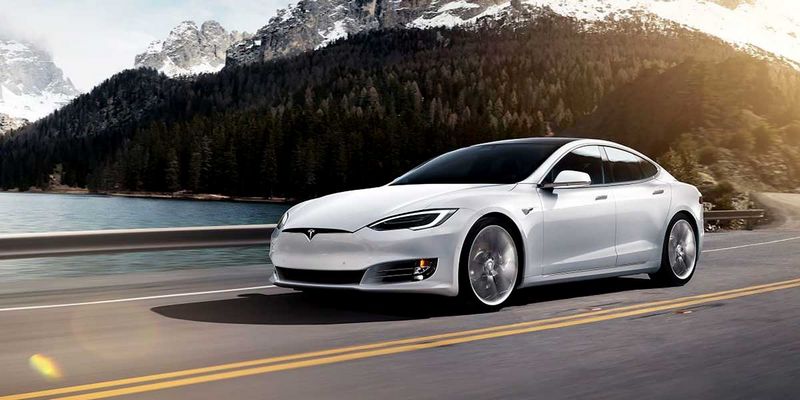
Electric Performance and Zero Fuel Costs
The Model S delivers fast acceleration, smooth handling, and a quiet electric drive.
For taxi drivers, this translates into a comfortable ride for passengers and no spending on gas. Daily operating costs can be very low if charging is available, making it attractive for long city shifts or highway trips.
Charging Infrastructure Considerations
The biggest challenge for taxi drivers is charging access. Without reliable home or public charging, downtime can eat into profits.
Drivers need to plan routes carefully, consider charging speed, and factor in time spent at charging stations. In cities with strong Supercharger networks, the Model S becomes much more practical for daily taxi work.
Comfort and Technology Appeal
Passengers and drivers alike enjoy the high-tech cabin, spacious seating, and premium ride quality.
Features like autopilot, large touchscreens, and climate control enhance the driving experience and passenger comfort, making it suitable for executive rides or ride-hailing services that emphasize luxury.
Is It Worth It for Taxi Drivers on a Budget?
For budget-conscious drivers, the high purchase price of the Model S is a major consideration.
While fuel savings and low maintenance are appealing, the initial investment may not be justified unless the driver targets premium fares or has access to reliable charging. For most budget taxi drivers, a more affordable hybrid or conventional sedan remains a safer and more practical choice.
Best Taxi Cars for Uber, Lyft, and Ride-Hailing Platforms
Choosing the right car for ride-hailing platforms is different from regular taxi work. Drivers need to consider platform rules, passenger expectations, and profitability. The right vehicle can make daily operations smoother, increase ratings, and boost earnings.
Entry-Level Options for UberX
Entry-level cars are ideal for drivers starting with limited budgets.
Models like the Toyota Corolla, Hyundai Elantra, and Honda Civic are affordable, fuel-efficient, and reliable. They meet UberX requirements while keeping daily operating costs low. These cars are perfect for city driving and short trips where efficiency and low maintenance matter most.
Comfort Cars for Uber Comfort and Business Class
For higher-tier services, passenger comfort becomes more important.
Mid-size sedans like the Toyota Camry, Skoda Octavia, or Lexus ES Hybrid p rovide extra legroom, smoother rides, and premium interiors. Drivers using these vehicles can charge higher fares on Uber Comfort or Business Class, attracting clients who value quiet, comfortable, and professional rides.
Electric Cars Approved for Ride-Hailing
Electric cars like the Hyundai Ioniq, Kia Niro EV, or Tesla Model 3 are increasingly popular for ride-hailing drivers focused on fuel savings and environmental benefits.
These cars are approved for platforms like Uber Green and Lyft Green, allowing drivers to target eco-conscious passengers. Drivers must ensure reliable charging access and plan routes to avoid downtime, but overall running costs are very low compared to gas-powered cars.
Local Rules and Vehicle Requirements
Each city or platform has specific rules for vehicle eligibility. Requirements often include model year, number of doors, minimum passenger space, and safety features.
Drivers must check local regulations before purchasing a car to ensure compliance with Uber, Lyft, or local taxi laws. Ignoring these rules can result in fines, deactivation from the platform, or wasted investment in a car that cannot legally operate.
Common Mistakes Taxi Drivers Make When Buying a Car
Even experienced drivers can make costly mistakes when buying a taxi car. Understanding common pitfalls helps avoid wasted money, downtime, and stress. Budget-conscious drivers should focus on real-world costs, reliability, and suitability for daily taxi work.
Ignoring Total Cost of Ownership
Many drivers focus only on the purchase price and overlook long-term expenses.
Fuel, maintenance, insurance, and unexpected repairs can quickly exceed the initial cost. For example, a cheap gas car may seem affordable upfront but could cost more in fuel and repairs than a slightly more expensive hybrid. Considering total cost of ownership ensures that the car stays profitable over years of daily use.
Choosing Luxury Over Practicality
Luxury cars may look impressive, but they are often expensive to buy, maintain, and insure.
For most taxi drivers, practicality matters more than status. Choosing a car that is reliable, fuel-efficient, and easy to repair usually provides higher earnings and fewer headaches than chasing a premium badge that drains your budget.
Underestimating Repair Costs
Even seemingly reliable cars can require repairs, especially when used for long shifts and high mileage.
Drivers who underestimate repair costs risk unexpected downtime and lost income. Checking typical maintenance expenses, parts availability, and service intervals before buying can prevent surprises that hurt profits.
Buying Without Vehicle History Checks
Some drivers skip checking the vehicle’s history, including accidents, flood damage, or salvage titles.
This is a major risk at auctions or private sales. Cars with hidden damage may appear cheap but often require costly repairs or fail to meet ride-hailing requirements. Always verify title status, maintenance records, and past usage to make a safe and informed purchase.
How to Buy a Taxi Car at Auto Auctions Safely
Buying a taxi car at an auto auction can save thousands, but it requires careful research and planning. Drivers need to know what to check, how to interpret listings, and how to avoid costly mistakes. With the right approach, auctions can provide reliable vehicles at budget-friendly prices.
What to Look for in Auction Listings
Auction listings include key details about the car’s condition, damage, and history. Drivers should focus on the type of damage, repair notes, and photos.
Look for models with low or moderate damage, consistent maintenance records, and no hidden issues like water damage or frame problems. Reading the listing carefully helps avoid vehicles that will cost more to fix than they are worth.
Mileage, Title Status, and Condition Tips
High mileage is normal for taxi cars, but excessive wear on engine or transmission components can be risky. Check the odometer and ask for service history when possible.
Title status is critical—clean titles are safest, while salvage or rebuilt titles require extra inspection. Examine overall condition, including tires, brakes, suspension, and interior. These steps reduce the risk of buying a car that cannot perform reliably for daily taxi work.
Why Salvage and Used Cars Can Be Smart Choices
Salvage and used cars sell at significantly lower prices than new or clean-title vehicles. For budget drivers, this allows entry into taxi work without large loans.
Many salvage cars have only minor cosmetic damage and fully functional drivetrains, making them excellent candidates for city driving or ride-hailing services. With careful selection, they can provide excellent value for money.
How Auto4Export Assists With Inspection, Shipping, and Paperwork
For first-time auction buyers, the process can be overwhelming. Auto4Export helps by inspecting vehicles, verifying condition reports, and advising on auction bids.
They also handle shipping and paperwork, ensuring legal compliance and reducing the risk of errors. This support allows drivers to safely purchase a taxi car from auctions, even if they have limited experience or are buying from overseas.
Final Thoughts: Choosing the Best Taxi Car on a Budget
Selecting the right taxi car is a combination of strategy, research, and understanding your daily needs. For drivers on a budget, it’s not about owning the flashiest car, but about choosing a vehicle that maximizes earnings, minimizes expenses, and keeps passengers happy.
Matching the Car to Your Driving Style and City
The best taxi car depends on how and where you drive. City drivers benefit from fuel-efficient hybrids or compact sedans that handle stop-and-go traffic well. Suburban or airport drivers may prefer mid-size sedans, MPVs, or minivans with more space for passengers and luggage.
Understanding your routes, peak hours, and passenger types helps you choose a car that performs efficiently and keeps daily operating costs under control.
Balancing Price, Reliability, and Comfort
Budget-friendly taxi cars require balancing three main factors: upfront price, long-term reliability, and passenger comfort.
Buying too cheap may lead to frequent repairs and downtime, while focusing solel y on comfort can exceed your budget. Cars like the Toyota Prius, Corolla, Skoda Octavia, or Hyundai Ioniq provide a strong mix of affordability, durability, and passenger satisfaction, making them ideal for budget-conscious drivers.
Why Smart Auction Buying Can Save Thousands
Auto auctions offer an opportunity to acquire reliable cars at significantly lower prices than dealerships. With proper research and guidance, drivers can avoid hidden issues and find vehicles that meet their specific taxi needs.
Are you interested in buying a vehicle from US auctions?
With this being said – you can still export vehicles and save up a few thousand dollars with Auto4Export. We have an inventory of over 150k plus vehicles with titles you can export for you to choose from. Once you have placed your bid and won the auction a Bill of Sale document is then emailed to you as proof of purchase – after full payments have been made.
To gain access and get started on your purchase, sign up for free.
Further Reading
5 Best Used Cars for City Driving That Fit Your Budget
Top 10 Least Expensive Cars to Own and Maintain
Most Reliable Used Cars Under $10,000 in 2026
Top 5 Affordable Used Hybrids for 2026 Under $15,000

Do You Have Any Questions?
 Ask Question